

Ownmates Post

What Is a Spider Board?
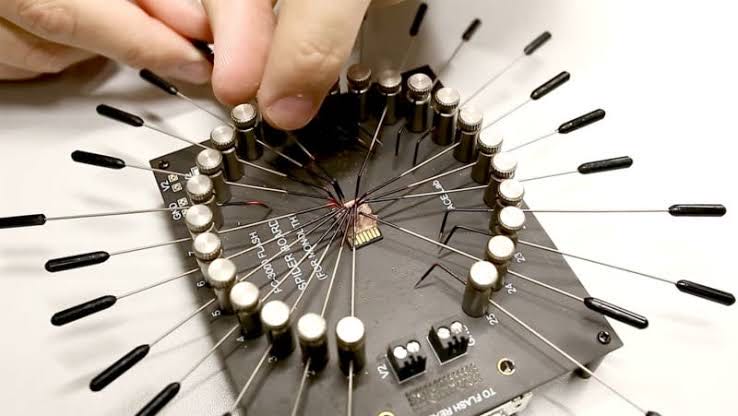
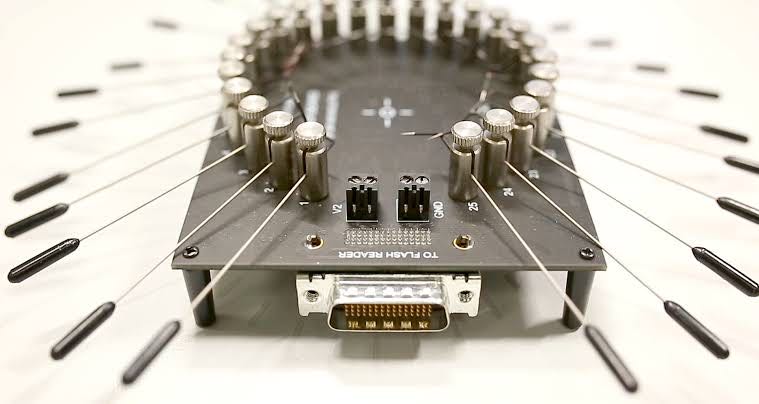
The Spider Board Adapter, developed for the PC-3000 Flash system by ACE Lab, is a professional hardware adapter used in flash-memory data recovery. It is designed for monolithic flash devices, where the memory and controller are enclosed together in a single package.
Why Is It Needed?
In many memory cards, the controller manages how data is stored and read. If that controller fails, the card may no longer be detected by a computer—even when the memory itself is still physically intact. In such cases, ordinary recovery software may not be enough.
The Spider Board helps technicians bypass the failed controller and connect directly to the memory’s internal test points. This allows them to read raw NAND flash data using specialized recovery equipment.
How Does It Work?
The technician identifies the memory package and determines whether direct recovery is possible.
The protective coating may need to be carefully removed to reveal the NAND test points.
Its adjustable needle contacts are positioned on the correct memory signals under a microscope.
The raw memory dump is processed to reconstruct the original files and file system.
The adapter uses 25 adjustable contacts, allowing technicians to connect to different monolithic memory layouts without the same kind of soldering normally required for microscopic test points.
What Devices Can It Help Recover?
The Spider Board is intended for certain monolithic flash devices, including:
* MicroSD cards
* SD cards
* USB flash drives
* MemoryStick devices
Its compatibility depends on the specific memory design and the recovery system being used.
Is It a Normal Memory Card Reader?
No. A normal card reader communicates through the device’s standard interface. A Spider Board is used when that normal interface is unavailable or insufficient, allowing direct access to the underlying flash memory.
Can It Recover Every Damaged Card?
No. Recovery depends on the condition of the memory, the device’s internal design, and whether the required reconstruction information is available. If the NAND memory itself is physically destroyed, a Spider Board cannot magically restore it.
Conclusion
The Spider Board is a remarkable example of how hardware engineering and data-recovery software work together. Instead of relying on a damaged memory card’s normal controller, it gives specialists a way to reach the raw memory directly and attempt to reconstruct valuable files.
It is not a consumer gadget or a simple USB reader—it is a specialized tool used when ordinary data recovery methods may no longer work.


Comments
No comments yet.