

Ownmates Post

☀️ Vitamin D: Why It Is Important and How to Get It Naturally
Vitamin D is an important nutrient for our body. It plays a major role in helping the body absorb calcium and phosphorus, which are essential for healthy bones and teeth.
🦴 What Does Vitamin D Help the Body Absorb?
Vitamin D does not mainly help the body absorb another vitamin. Its most important role is to support the absorption of certain minerals.
1. Calcium
Vitamin D helps the intestines absorb calcium from food. Calcium is essential for maintaining strong bones and teeth and also has other important functions in the body.
2. Phosphorus
Vitamin D also helps the body absorb and use phosphorus. Calcium and phosphorus work together to maintain the structure and strength of bones.
In simple terms:
Vitamin D → Better calcium and phosphorus absorption → Supports healthy bones and teeth 🦴
⸻
🌞 Sunlight: The Most Natural Source of Vitamin D
One of the most natural ways to get vitamin D is through sunlight.
When UVB rays from the sun reach our skin, they trigger a chemical process that produces an initial form of vitamin D. The body then processes it through the liver and kidneys into forms that the body can use.
This is why sunlight is an important natural source of vitamin D.
⏰ How Long Should You Stay in the Sun?
There is no single amount of sunlight that works for everyone. The amount of vitamin D produced depends on several factors, including:
* Skin color
* Season and weather
* Geographic location
* Time of day
* How much skin is exposed
* Clothing
* Age
In India, UVB exposure is generally more effective around late morning to early afternoon. For many people, approximately 10–30 minutes of exposure several times a week may contribute to vitamin D production, but the actual amount needed can vary considerably.
You should not stay in the sun long enough to cause sunburn or significant skin redness.
⸻
🐟🥚 Natural Food Sources of Vitamin D
Vitamin D can also be obtained from certain foods.
🐟 Fatty Fish
Fish such as salmon, sardines, and mackerel are among the better natural food sources of vitamin D.
🥚 Egg Yolk
Egg yolks contain a small amount of vitamin D.
🐄 Liver
Liver can also provide some vitamin D, although the amount may vary.
🍄 Mushrooms
Some mushrooms that have been exposed to UV light can contain vitamin D₂.
However, most ordinary foods contain relatively little vitamin D, so getting enough from diet alone can be difficult for some people.
⸻
🪟 Can You Get Vitamin D Through a Window?
Ordinary window glass blocks much of the UVB radiation needed for vitamin D production in the skin.
Therefore, sitting in sunlight behind a closed glass window is generally not an effective way to produce vitamin D.
⸻
⚠️ Too Much Sunlight Is Not Better
It is not true that the more sunlight you get, the more vitamin D you will produce.
The body has limits on how much vitamin D it can produce from sunlight, while excessive UV exposure can increase the risk of sunburn and long-term skin damage.
Therefore, the goal should be:
Regular, limited sunlight exposure protection from excessive UV exposure.
If you are going to stay outdoors for a longer period, protective clothing, shade, and sunscreen can help reduce excessive UV exposure.
⸻
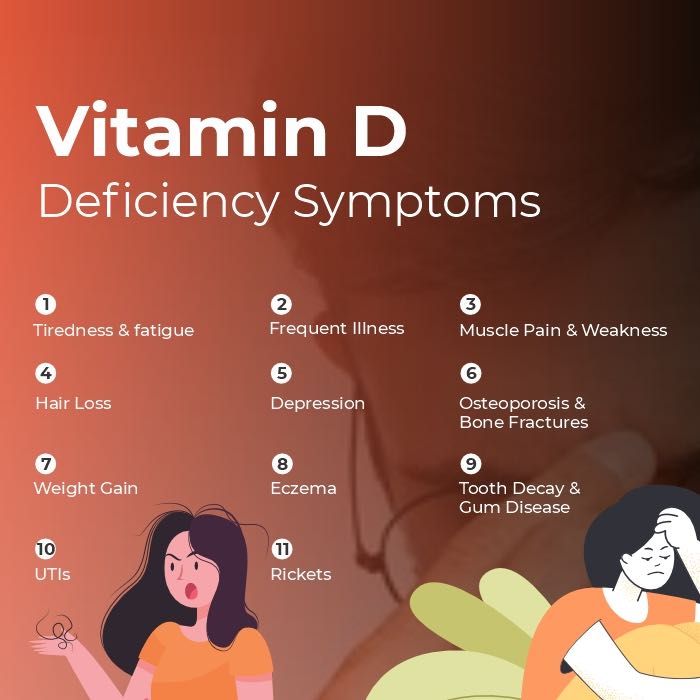
🧪 How Can Vitamin D Deficiency Be Checked?
A blood test called 25-hydroxy vitamin D [25(OH)D] is commonly used to assess vitamin D status.
If vitamin D deficiency is suspected, a healthcare professional can recommend appropriate testing and treatment based on the individual’s situation.
⸻
🌍 Conclusion
Vitamin D is important for the body’s normal absorption and use of calcium and phosphorus, which contribute to healthy bones and teeth.
The most natural source is sunlight, while certain foods can also provide vitamin D.
Remember:
☀️ Sunlight → Vitamin D → Calcium and Phosphorus absorption → 🦴 Supports healthy bones
The key is not excessive sunlight, but appropriate and regular exposure, along with a balanced diet and medical testing when needed.


Comments
medicine