

Ownmates Post
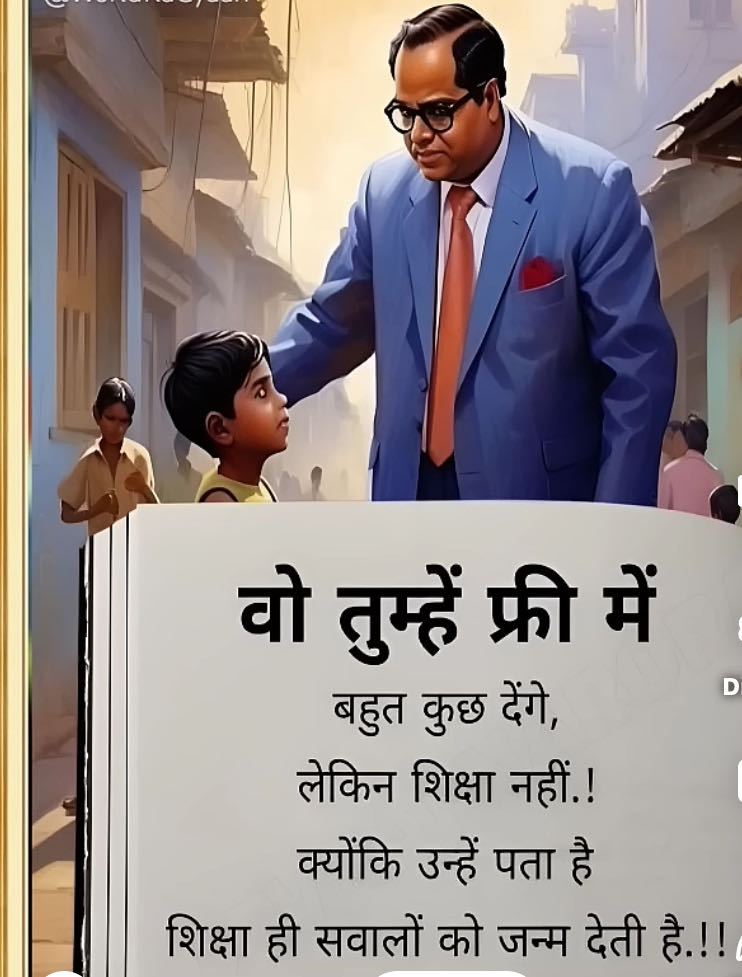
Untouchability means "not being touched". This is a practice of social discrimination, which was mainly developed in India in terms of caste-system. In untouchability, some castes (especially Dalits or Harijans) were considered so low that touching them was also considered a sin or inaccuracy. This practice has been a disgusting form of social injustice, inhumanity and discrimination. Major points of untouchability:
1. Religious and social reasons: • This system is considered associated with ancient Hindu varna system. • Brahmins, Kshatriyas, Vaishyas, and Shudras - Shudras and especially the "Avarna" castes were placed at the bottom in this system.
2. The status of untouchable people: • They were not allowed to enter temples. • They could not take water from public wells or ponds. • Education, jobs and other social rights were deprived of. • People of upper castes were considered "impure" by their touch.
3. Legal Status: • Untouchability in the Constitution of India has been declared illegal (under Article 17). • "Elimination of Untouchability Act, 1955" and later "Civil Rights Act" and "SC/ST Atrocities Prevention Act" were implemented.
4. The role of Mahatma Gandhi and Dr. Bhimrao Ambedkar: • Gandhiji called Dalits "Harijan" (people of God) and advocated their rights. • Dr. Ambedkar inspired Dalits to educate, organized and struggle and ensure safety of their rights in the Constitution.
5. Current Status: • Legally untouchability is over, but practically many areas still see caste discrimination. • Education, awareness and social movements have improved the situation, but there is still a lot of distance to cover.


Comments
No comments yet.