

Ownmates Post

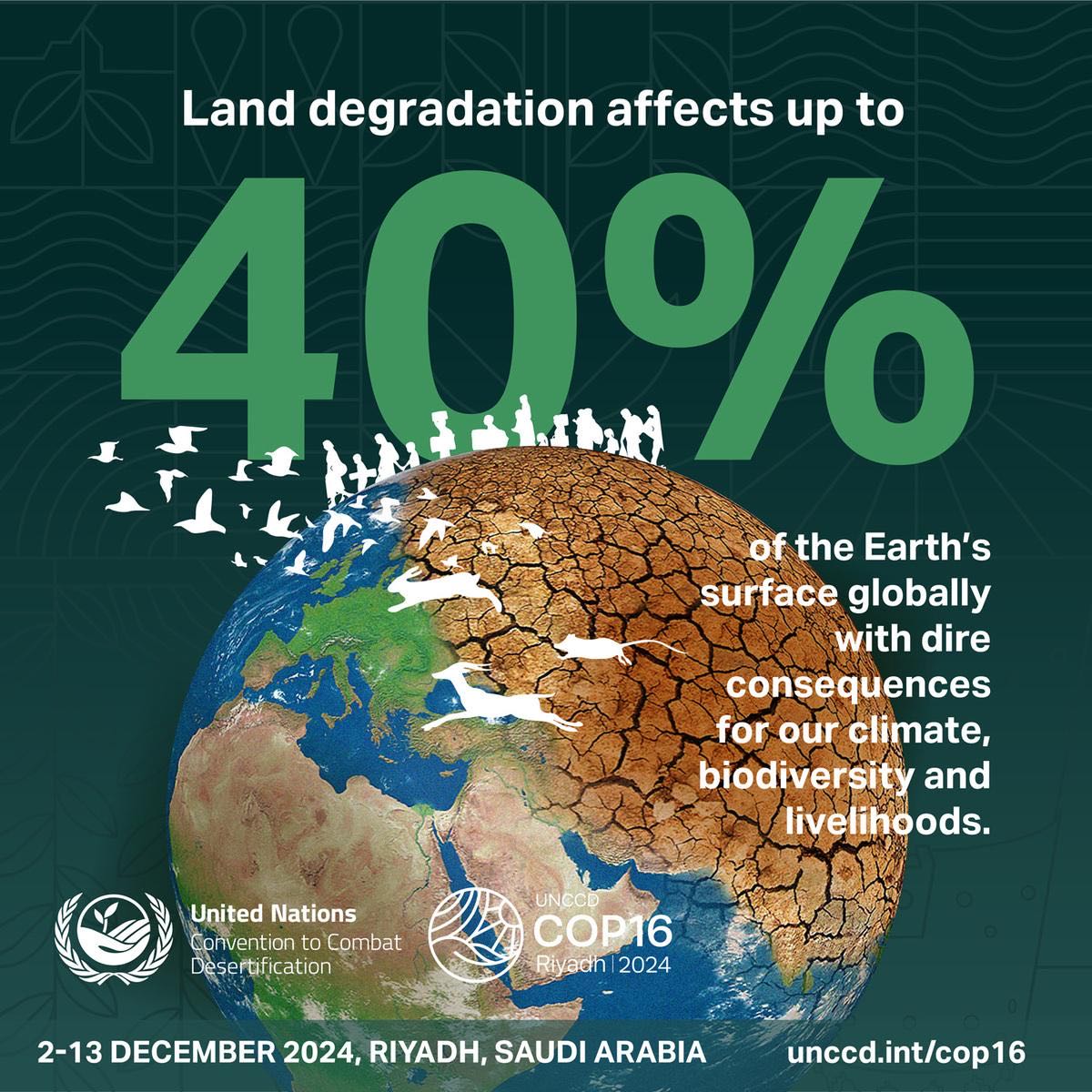
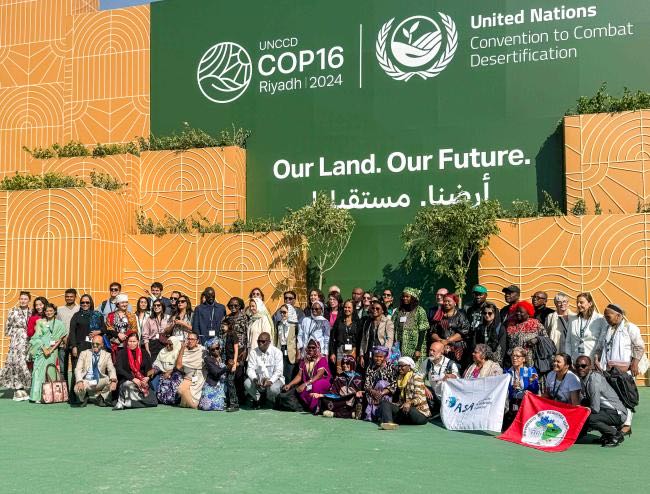
The United Nations Convention to Combat Desertification (UNCCD) has released several key reports and data updates in recent years, highlighting the urgent need for global action to address land degradation, drought, and desertification.
🌍 Global Land Degradation Trends
Between 2015 and 2019, the world lost at least 100 million hectares of healthy and productive land each year, totaling 420 million hectares over that period—an area slightly larger than the combined size of Kazakhstan, Kyrgyzstan, Tajikistan, Turkmenistan, and Uzbekistan . This alarming rate of land degradation threatens food and water security globally, affecting approximately 1.3 billion people.
A significant concern is the increasing aridity of Earth’s land. Between 1990 and 2020, over 77% of the planet’s land became permanently drier, with drylands expanding by about 4.3 million km²—an area nearly a third larger than India . If current trends continue, projections suggest that up to 5 billion people could be living in drylands by the end of this century.
📊 UNCCD Data Dashboard
In response to these challenges, the UNCCD launched its first-ever Data Dashboard, compiling national reporting figures from 126 countries. This dashboard provides insights into trends related to land degradation, drought, and other key indicators, allowing users to explore data by region and country.
💰 Financial Needs for Land Restoration
A recent UNCCD report estimates that $2.6 trillion is needed by 2030 to restore over one billion hectares of degraded land and build resilience to drought. This translates to approximately $1 billion in daily investments between now and 2030. However, current global investments are falling short by $278 billion annually.
🇮🇳 India’s Role and Reporting
India has actively participated in the UNCCD’s national reporting process, submitting its seventh national report in 2022. The country has also committed to restoring 26 million hectares of degraded land by 2030. India’s efforts include implementing sustainable land management practices and promoting community-based restoration initiatives.


Comments
No comments yet.