

Ownmates Post
The True Story of the 47 Ronin
In 1701, during Japan’s Edo period, Asano Naganori, a daimyo (feudal lord), was given an important responsibility at the shogun’s court. There, he came into conflict with a court official named Kira Yoshinaka.
It is traditionally said that Kira insulted Asano and expected gifts or payments from him. Their relationship became increasingly hostile.
One day, Asano lost his temper and attacked Kira with a sword. Kira was injured but survived.
Why Was Asano Sentenced to Death?
In Edo-period Japan, drawing and using a sword inside the shogun’s palace was considered a very serious offense. As a result, Asano was ordered to perform seppuku, a form of ritual suicide.
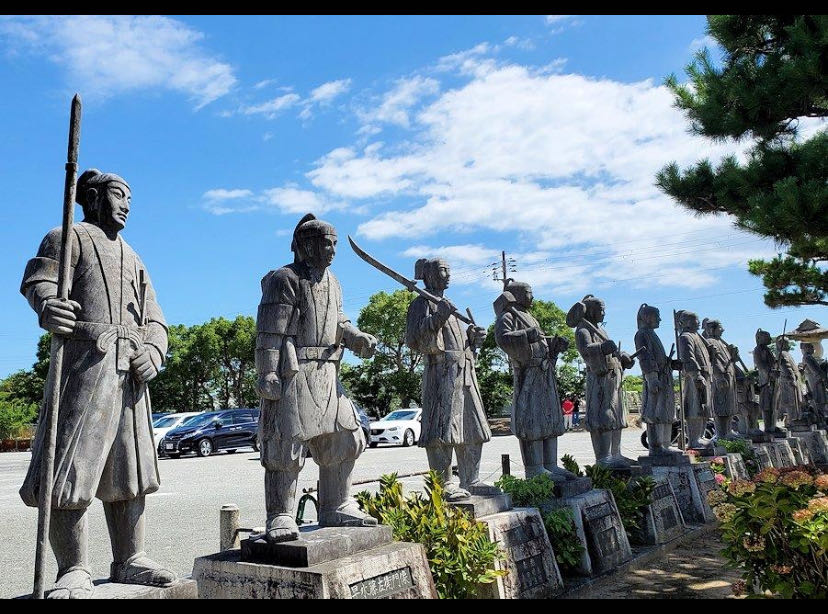
After his death, his domain was confiscated, and his approximately 47 samurai became masterless warriors, known as ronin.
What Did the 47 Ronin Do?
Their leader, Ōishi Kuranosuke, secretly planned to avenge their lord’s death.
For a long period, Ōishi and the other ronin deliberately made it appear as though they had abandoned their plans for revenge. Some separated and lived ordinary lives so that Kira would not suspect their intentions.
Nearly two years later, in December 1702, the 47 ronin launched an attack on Kira’s residence.
They found Kira and killed him. They then took his head to the grave of their former lord, Asano Naganori, as a symbol that they had fulfilled their duty and avenged his death.
Afterward, the ronin surrendered themselves to the authorities.
Their Final Fate
The shogunate eventually ordered the 47 ronin to perform seppuku. They accepted the order and died according to the samurai code and the values of loyalty and duty that were associated with their status.
The story of the 47 Ronin has since become one of Japan’s most famous tales of loyalty, honor, revenge, and sacrifice.


Comments
No comments yet.