

Ownmates Post

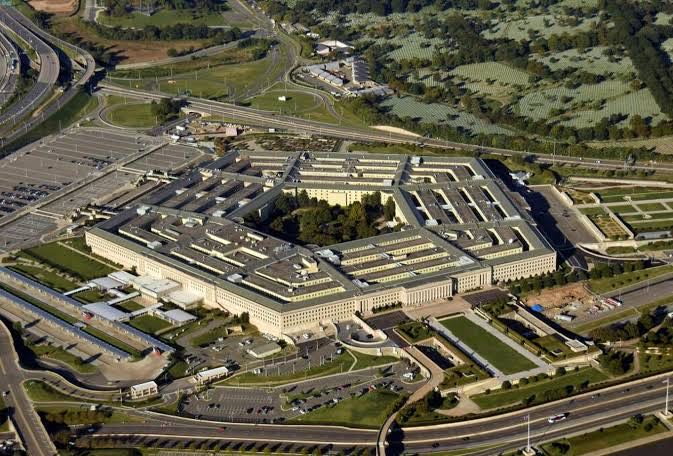
The The Pentagon, headquarters of the United States Department of Defense, represents one of the world’s most powerful centers of military planning, intelligence coordination, and national defense strategy. Traditionally associated with physical warfare and military operations, the Pentagon’s role has expanded dramatically in the digital age, where cybersecurity has become a central pillar of national security. Cybersecurity involves protecting networks, systems, devices, and sensitive data from unauthorized access, cyberattacks, espionage, and disruption. For defense institutions like the Pentagon, this includes safeguarding military communications, intelligence databases, satellite systems, weapons infrastructure, and strategic command networks from hostile actors such as foreign governments, cybercriminal organizations, or extremist groups. Modern conflicts increasingly include cyber warfare, where attacks can target power grids, financial institutions, elections, transportation systems, or classified databases without a single missile being launched. Agencies such as United States Cyber Command and National Security Agency play major roles in defending against these digital threats while also conducting intelligence and cyber operations when necessary. Alongside cybersecurity, social media has emerged as another critical domain in national security because platforms like Facebook, Instagram, YouTube, and X have become powerful channels for communication, propaganda, misinformation, recruitment, and influence. Governments, law enforcement agencies, and intelligence organizations often monitor publicly available social media activity to identify security threats, track extremist messaging, detect disinformation campaigns, and analyze public sentiment during crises. This monitoring typically focuses on public posts, hashtags, trends, metadata, and network behavior, often using artificial intelligence, machine learning, and large-scale data analytics. However, monitoring social media raises major ethical concerns regarding privacy, surveillance, freedom of speech, and potential misuse of data, especially when distinctions between public information and private communication become blurred. While public content is generally more accessible for analysis, private messages often require stricter legal procedures depending on national laws. For ordinary individuals, this digital ecosystem means that online behavior can be observed not only by governments for security purposes but also by corporations for advertising, content moderation, and user profiling. Personalized advertisements, fraud detection, algorithmic recommendations, and suspicious activity alerts are all examples of how digital monitoring intersects with daily life. As misinformation, cybercrime, deepfakes, and online radicalization continue to grow, balancing national security with personal privacy has become one of the defining challenges of the 21st century. Ultimately, the relationship between the Pentagon, cybersecurity, and social media monitoring illustrates how modern defense is no longer confined to physical battlefields—it now extends into cyberspace, information warfare, and digital influence, making cybersecurity awareness essential not just for governments and military institutions, but for every connected individual.


Comments
No comments yet.