

Ownmates Post

The Mystery of Oxygen on Earth: Why It Once Increased, Then Decreased — and How It Changed Life
Earth’s atmosphere has not always been the same as it is today. The air humans breathe currently contains about 21% oxygen, but millions of years ago oxygen levels were sometimes much higher — and at other times much lower. These changes played a major role in the evolution of life, the rise of giant creatures, and even mass extinctions.
⸻
Why Was Oxygen Higher in Ancient Earth?
During the Carboniferous Period, Earth was covered with enormous swamp forests. These forests produced huge amounts of oxygen through photosynthesis.
At that time:
* Vast swamp forests existed
* The climate was warm and humid
* Plant life was extremely abundant
* Large amounts of carbon became buried underground
When plants died, much of their carbon was trapped in soil and sediments instead of fully decomposing. This allowed oxygen to remain in the atmosphere and gradually build up.
Scientists estimate that atmospheric oxygen may have reached:
O_2 \approx 30\%-35\%
⸻
The Rise of Giant Creatures
High oxygen levels helped many organisms grow much larger than modern species. Insects especially benefited because they breathe through tiny air tubes rather than lungs.
With more oxygen available:
* Insects absorbed oxygen more easily
* Their metabolism worked more efficiently
* Their bodies could grow larger
Examples include:
* Meganeura — a giant dragonfly with a wingspan comparable to a hawk
* Arthropleura — a massive prehistoric millipede several feet long
⸻
Oxygen Was Not the Only Reason
Several additional factors helped giant animals evolve.
1. Abundant Food Supply
Ancient Earth had:
* Dense forests
* Massive plant growth
* Warm climates
This provided enormous amounts of food for herbivores.
2. Predator Pressure
Large predators encouraged many species to evolve bigger bodies for defense and survival.
3. Millions of Years of Evolution
Natural selection slowly favored species whose large size provided advantages.
⸻
Why Did Oxygen Levels Decrease Later?
Over time, Earth’s ecosystems and climate changed.
Decline of Giant Forests
As swamp forests disappeared:
* Oxygen production decreased
* Less carbon became trapped underground
Increased Decomposition
Microbes and fungi evolved to break down dead plants more efficiently, consuming more oxygen in the process.
Volcanic Activity
Large volcanic eruptions released gases such as:
* Carbon dioxide
* Methane
* Sulfur gases
These altered atmospheric chemistry and affected oxygen balance.
Ocean Changes
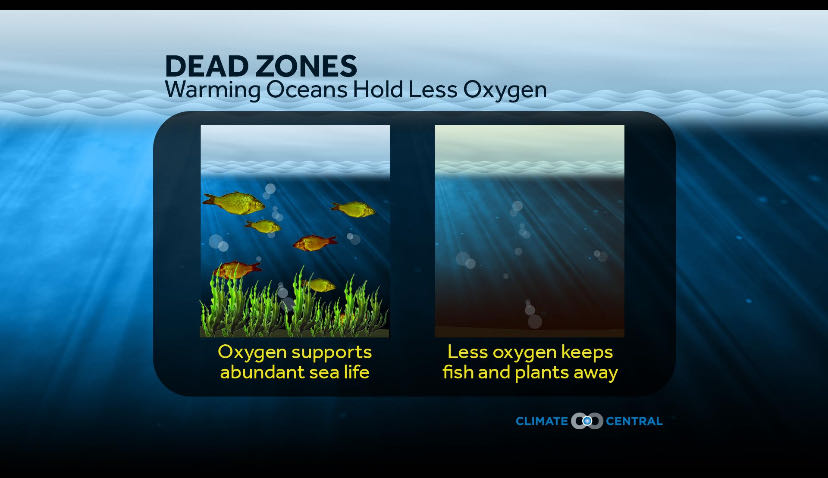
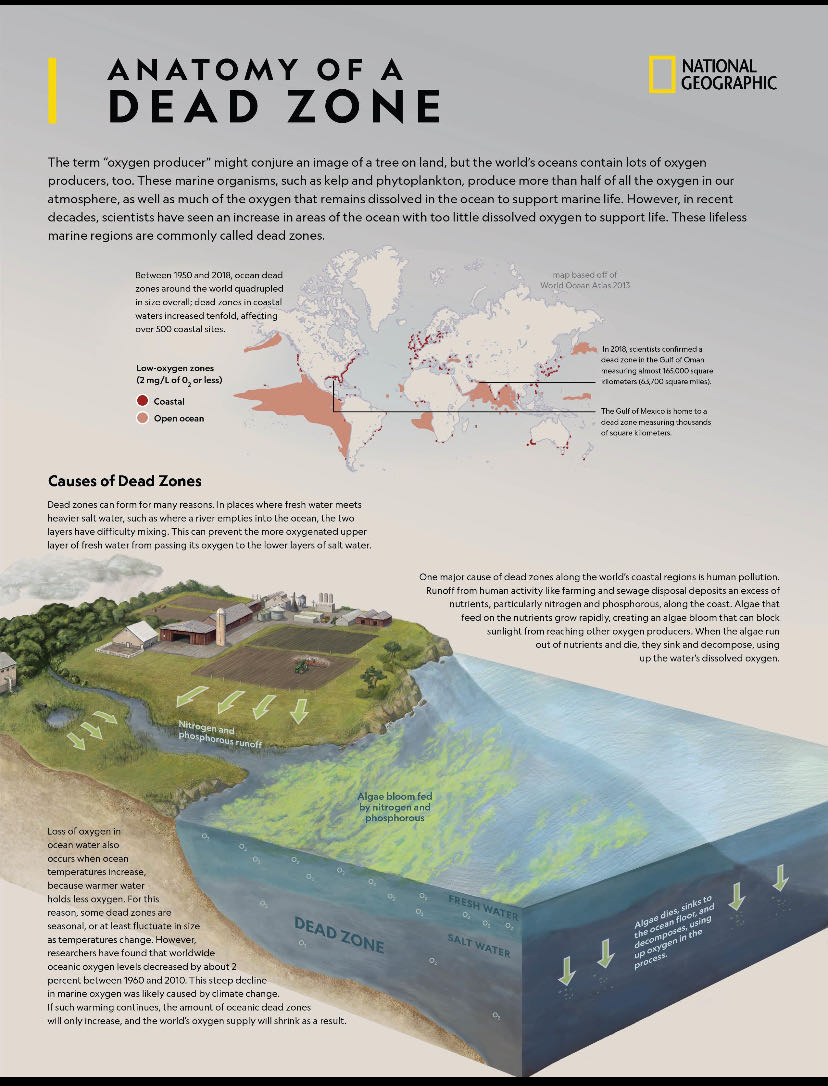
Warming oceans held less dissolved oxygen, affecting marine ecosystems and Earth’s overall oxygen cycle.
⸻
Effects of Lower Oxygen on Life
As oxygen levels dropped:
* Giant insects could no longer survive easily
* Many species evolved smaller body sizes
* Delivering oxygen throughout large bodies became harder
Over long periods, evolution favored smaller and more energy-efficient organisms.
⸻
Why Is Oxygen Stable Today?
Modern Earth maintains a relatively stable oxygen balance through:
* Forests
* Oceans
* Algae
* Phytoplankton
These organisms continuously produce oxygen through photosynthesis.
Today, atmospheric oxygen is approximately:
O_2 \approx 21\%
This level is ideal for complex life.
⸻
What Would Happen If Oxygen Decreased Further?
If Oxygen Fell from 21% to Around 17%
Possible effects include:
* Fatigue
* Shortness of breath
* Reduced brain performance
* Dizziness
It would feel somewhat similar to being at high altitude.
If Oxygen Fell to 10–12%
This would become extremely dangerous.
Possible consequences:
* Unconsciousness
* Organ damage
* Death of many animals
* Large-scale extinctions
Humans would struggle to survive long-term.
⸻
Effects on Fire and Industry
With lower oxygen:
* Fires would burn less easily
* Forest fires might decrease
* Engines and industrial systems would become less efficient
Because combustion depends on oxygen.
⸻
Impact on Oceans
Low oxygen in oceans could lead to:
* Fish die-offs
* Expanding dead zones
* Marine ecosystem collapse
⸻
Could Earth Eventually Lose Most of Its Oxygen?
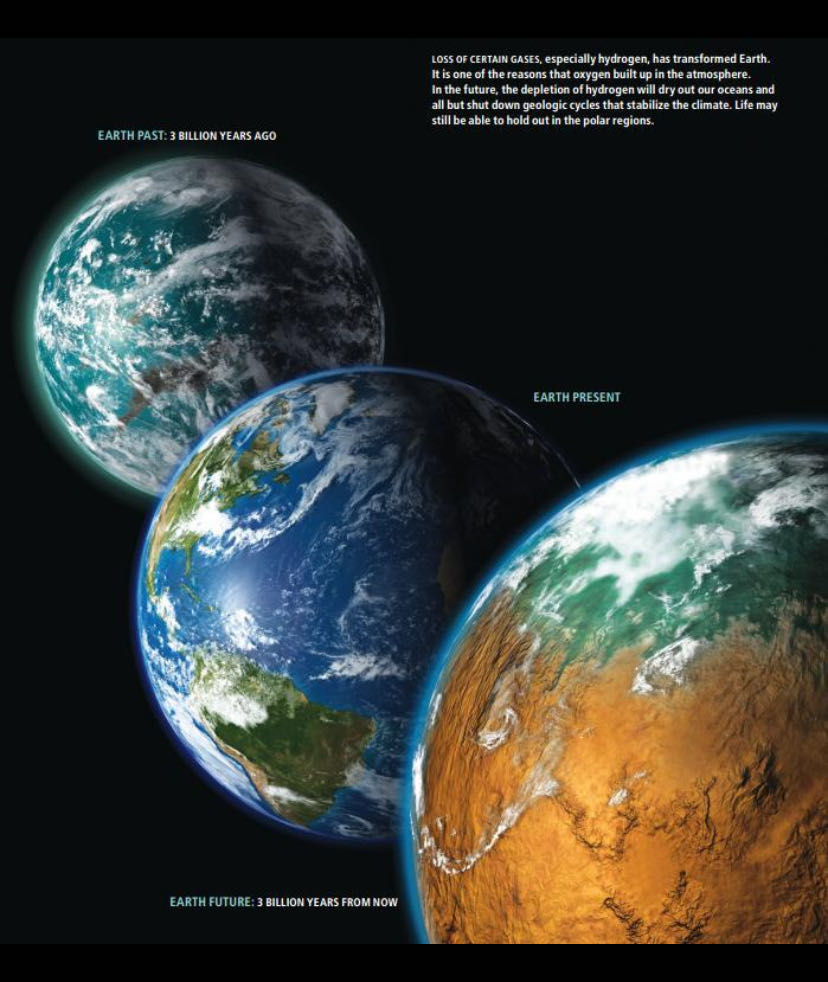
Scientists believe that billions of years in the future, increasing solar heat and atmospheric changes could drastically reduce Earth’s oxygen levels. In such a world, complex life might no longer survive.
⸻
Conclusion
The history of oxygen on Earth is deeply connected to the history of life itself. High oxygen levels once supported giant creatures and rich ecosystems, while declining oxygen reshaped evolution and contributed to extinction events. Today, Earth’s delicate oxygen balance remains essential for the survival of humans and nearly all complex life forms.


Comments
No comments yet.