

Ownmates Post
The History of Plantations in the United States and the British Empire
Introduction
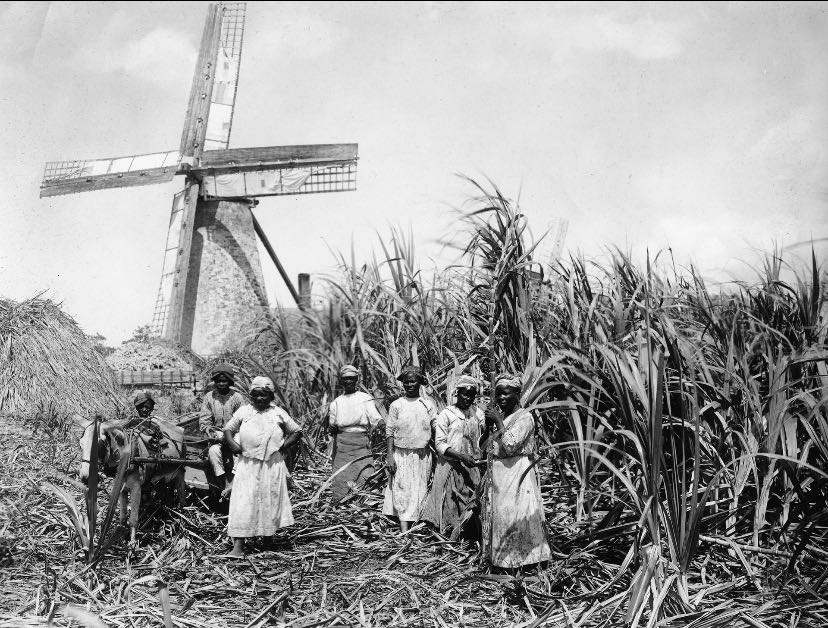
Between the 1500s and the 1800s, European countries built large farms called plantations in North America, South America, and the Caribbean. These farms grew crops such as cotton, sugarcane, tobacco, rice, and indigo to sell around the world.
Plantations made many owners rich. However, much of this wealth came from the forced labor of millions of enslaved Africans. Today, historians consider this one of the darkest periods in history because people were treated as property instead of human beings.
The Transatlantic Slave Trade
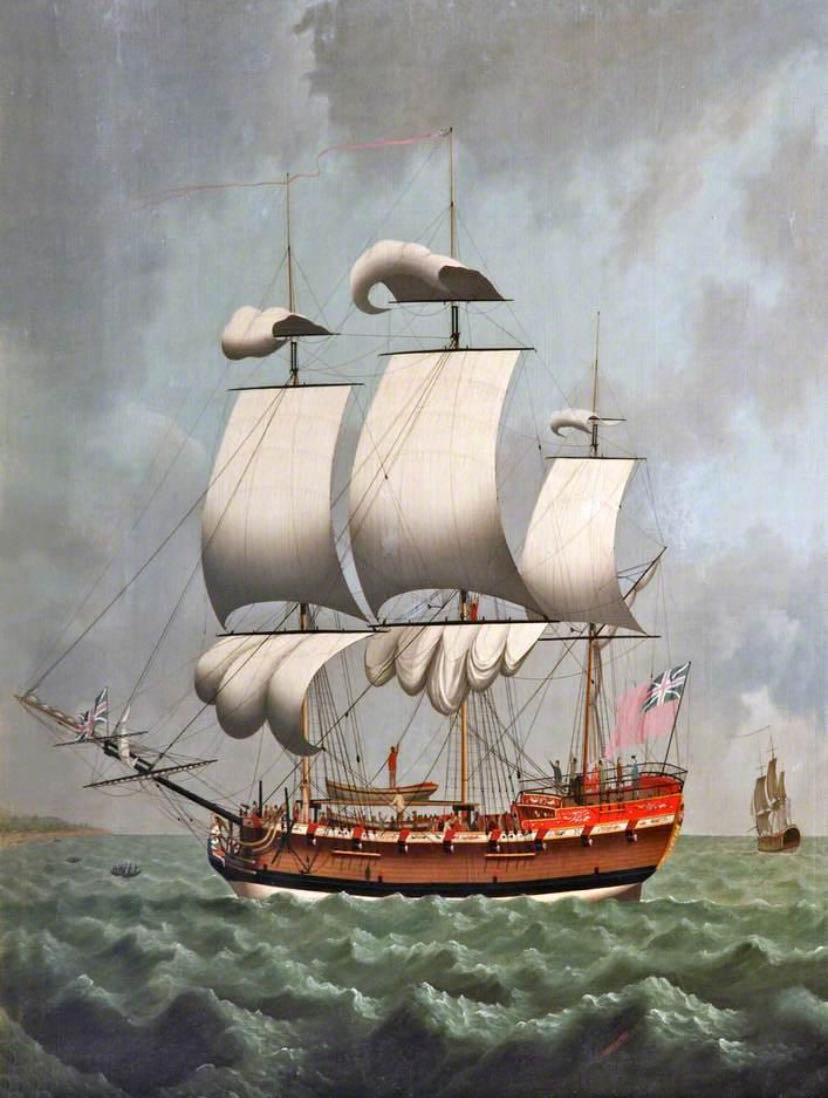
From the 16th to the 19th century, millions of Africans were captured or sold and forced onto ships crossing the Atlantic Ocean.
This was called the Transatlantic Slave Trade.
The sea journey, known as the Middle Passage, was extremely dangerous. Many people died because of disease, hunger, overcrowding, and harsh treatment before they reached America or the Caribbean.
How Plantations Worked
Plantations were very large farms that produced crops to make money.
The main crops were:
* Cotton
* Sugarcane
* Tobacco
* Rice
* Indigo
These crops needed a large number of workers. Instead of hiring paid workers, many plantation owners forced enslaved people to do the work.
Life of Enslaved People
Life was very difficult for enslaved Africans.
They usually:
* Worked from sunrise to sunset.
* Were not paid for their work.
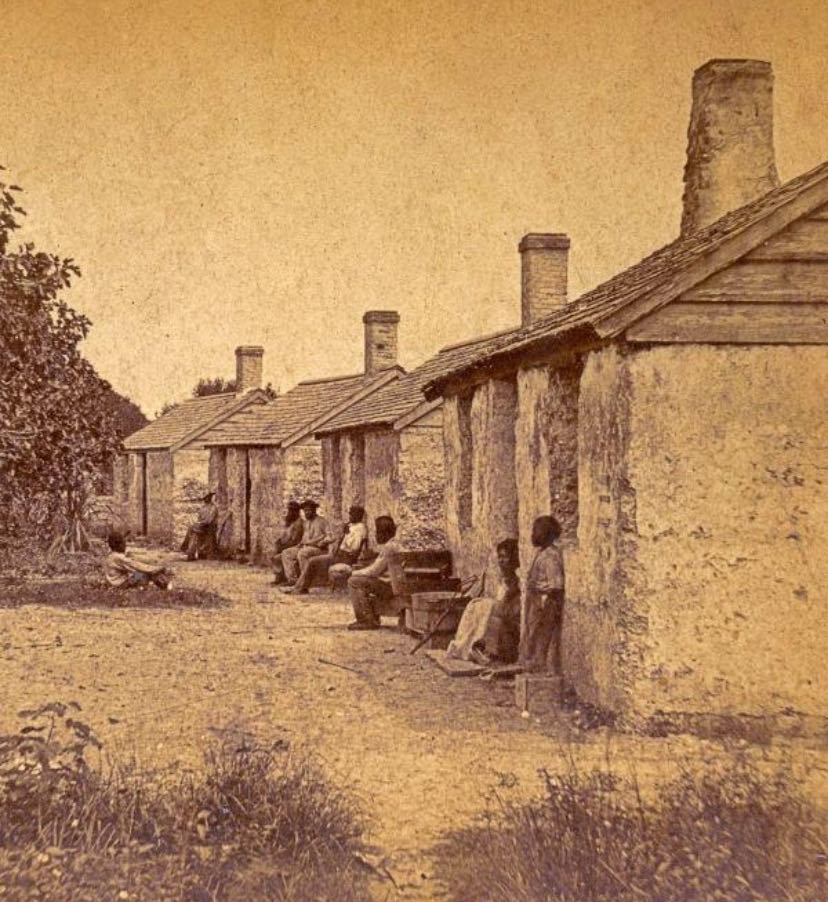
* Lived in small and crowded houses.
* Had very little food or medical care.
* Were punished if they tried to escape or refused orders.
* Were often separated from their husbands, wives, and children when they were sold.
* Had children who were often born into slavery.
* Were usually not allowed to learn to read or write.
* Many enslaved women suffered sexual abuse and had almost no legal protection.
Plantations in the United States
Most plantations were in the Southern United States because the warm climate was good for farming.
Important plantation states included:
* Virginia
* South Carolina
* Georgia
* Alabama
* Mississippi
* Louisiana
* Texas
Cotton became America’s most valuable crop, and plantations became a major part of the Southern economy.
Who Owned the Plantations?
Most plantation owners were White Americans whose families originally came from Europe, including:
* England
* Scotland
* Ireland
* Other European countries
However, most White Americans did not own plantations. Most were small farmers, workers, craftsmen, or shopkeepers. Plantation owners were a small but very wealthy and powerful group.
The British Empire’s Role
The British Empire was also deeply involved in plantations and slavery.
Many large plantations were located in British colonies such as:
* Jamaica
* Barbados
* British Guiana (now Guyana)
* Other Caribbean islands
British ports like Liverpool and Bristol became important centers for the slave trade. Many British merchants and investors earned large profits from plantations.
Were All Plantation Owners British?
No.
Many plantations in British colonies were owned by British families, but not all of them.
Some were owned by:
* British settlers
* Local European families
* French, Dutch, or Spanish settlers
* Later, some free local landowners
So it is not correct to say that every plantation was owned by British people.
The End of Slavery
Over time, many people began speaking out against slavery.
Important events included:
United Kingdom
* 1807: Britain banned the transatlantic slave trade.
* 1833: Britain passed a law ending slavery in most of its colonies.
United States
* 1861–1865: The American Civil War took place.
* 1865: The Thirteenth Amendment officially ended slavery in the United States.
Life After Slavery
Even after slavery ended, many Black Americans continued to face discrimination.
They often experienced:
* Racial segregation
* Limits on voting rights
* Unequal education
* Job discrimination
* Violence and unfair treatment
During the 1950s and 1960s, the Civil Rights Movement helped win stronger legal rights and greater equality.
Economic Impact
Plantations helped Britain, the United States, and other countries become wealthier. Money from cotton, sugar, and tobacco supported trade, banking, factories, and economic growth.
However, this wealth came at a terrible human cost because it depended on the forced labor of millions of enslaved people.
Conclusion
The plantation system is remembered as one of the darkest parts of history. It brought great wealth to plantation owners and colonial empires, but it also caused immense suffering for millions of enslaved Africans and their families.
It is also important to remember that not all White people owned plantations or supported slavery. Many people of different backgrounds worked to end slavery and fought for equal rights. Understanding this history helps us learn about both human cruelty and the long struggle for freedom and justice.


Comments
No comments yet.