

Ownmates Post
The History of African Slavery in America: Forced Migration, Exploitation and Sexual Abuse
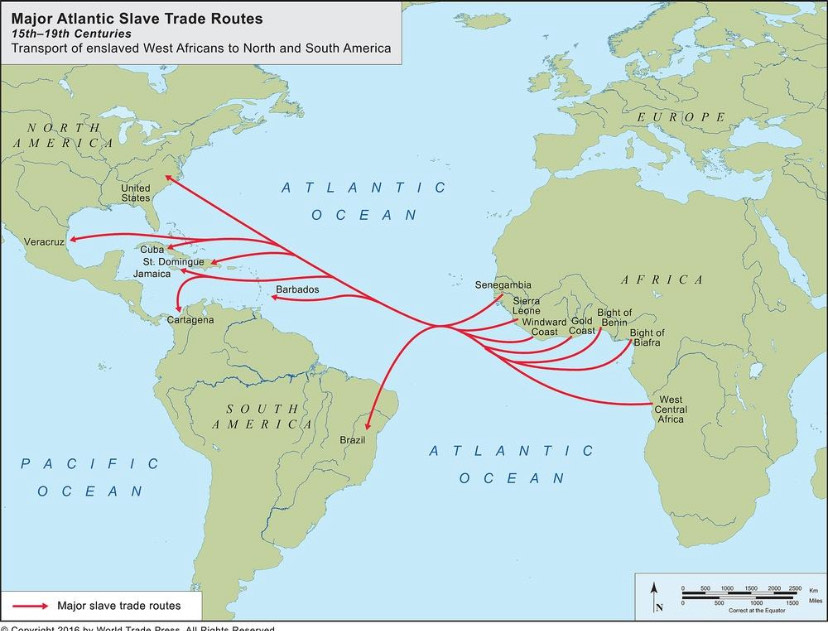
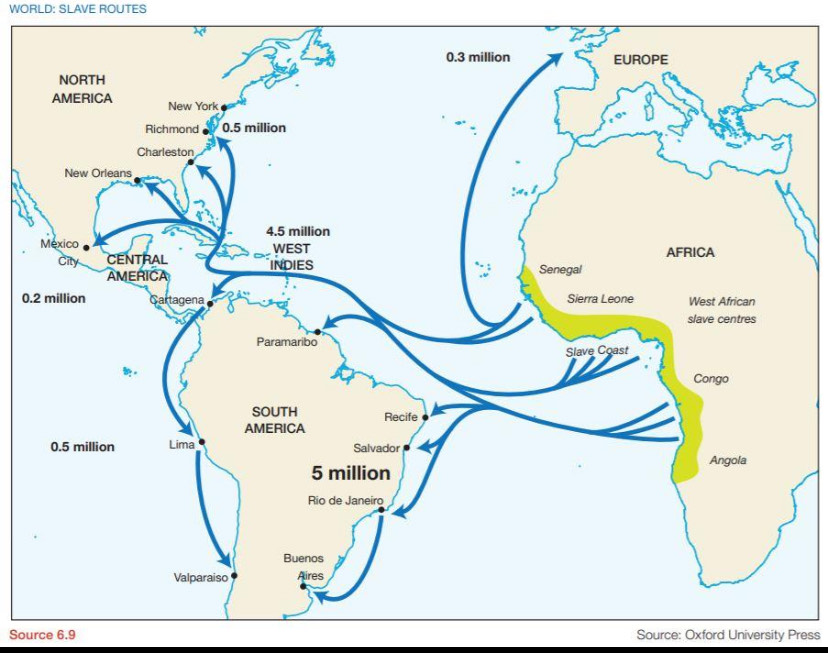
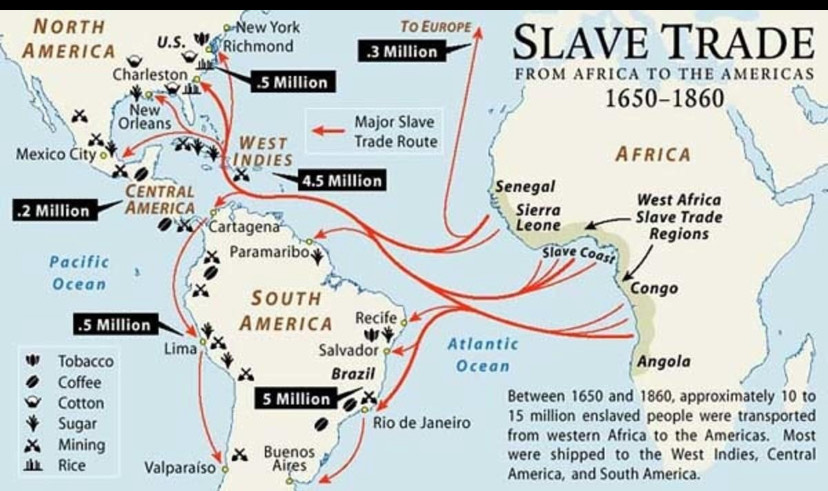
Enslaved Africans were primarily brought to the Americas from the African continent. European traders forcibly transported millions of African men, women, and children across the Atlantic Ocean and sold them into slavery.
1. Which Parts of Africa Did Enslaved People Come From?
Major regions included:
* 🇳🇬 West Africa (present-day Nigeria)
* 🇬🇭 Gold Coast (present-day Ghana)
* 🇸🇳 Senegal
* 🇬🇲 Gambia
* 🇦🇴 Angola
* 🇨🇩 Congo
* 🇧🇯 Benin
Large numbers of enslaved people came from West and Central Africa.
2. How Were They Transported to America?
1. European traders travelled to the African coast.
2. People were captured, kidnapped, or purchased through African trading networks and forced into slavery.
3. They were chained and transported across the Atlantic Ocean in overcrowded ships.
4. In the Americas, they were forced to work on plantations producing cotton, tobacco, sugar, and other crops.
This horrific transatlantic journey became known as the Middle Passage.
3. How Many Africans Were Transported?
Approximately 12.5 million Africans were forced onto slave ships between the 16th and 19th centuries. Around 10.7 million survived the voyage and arrived in the Americas.
Most were transported to the Caribbean and South America. Approximately 388,000 were brought directly to what is now the United States.
Many African Americans today have ancestral connections to these African communities.
4. Sexual Exploitation of Enslaved African Women
Sexual abuse of enslaved African women was another brutal aspect of slavery in America. Many women experienced sexual violence at the hands of slaveholders and other powerful individuals.
Forms of Exploitation
1. Sexual Violence: Enslaved women were frequently subjected to rape and forced sexual relationships.
2. Forced Pregnancy: Many women became pregnant as a result of sexual violence.
3. Children Born into Slavery: Under a Virginia law passed in 1662, a child’s enslaved or free status was determined by the mother’s status. Consequently, children born to enslaved women were also enslaved.
4. Family Separation: Enslaved women and their children could be sold separately, breaking families apart.
5. Lack of Legal Protection: Enslaved women had extremely limited legal protection against physical and sexual abuse.
5. An Important Historical Reality
Under the institution of slavery, enslaved women’s bodies, labour, and reproductive lives were controlled by slaveholders.
Slavery was not simply an economic system based on forced labour. It was also a system of extreme human exploitation, violence, and denial of basic human rights.
Final Thought
The history of slavery reminds us that millions of African women and men were deprived of their freedom, dignity, family relationships, and fundamental human rights.
Understanding this history is essential to recognizing the importance of equality, justice, freedom, and human dignity.


Comments
No comments yet.