

Ownmates Post

Silicone Breast Implants: Surgery, Risks and Reported Cases
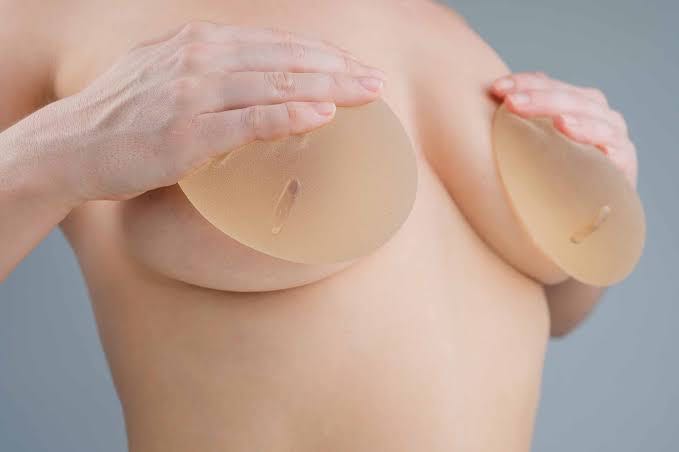
Silicone breast implants are medical devices used mainly for breast reconstruction and cosmetic breast augmentation. Although millions of women have received implants, they are not lifetime devices, and complications can occur over time.
How many cases have been reported?
There is no reliable worldwide figure for the total number of complications from silicone implant surgery. Different countries collect data differently, and adverse-event reports do not necessarily represent confirmed cases caused by the implant.
The U.S. FDA reported 10,318 adverse-event reports involving systemic symptoms in women with breast implants between 2008 and June 30, 2024. These reports should not be interpreted as proof that every symptom was caused by the implant.
A separate and particularly important complication is BIA-ALCL (breast implant-associated anaplastic large cell lymphoma). The FDA had identified 1,130 unique cases worldwide as of April 1, 2022. Most reported cases were associated with textured-surface implants.
What complications can occur?
Possible complications include:
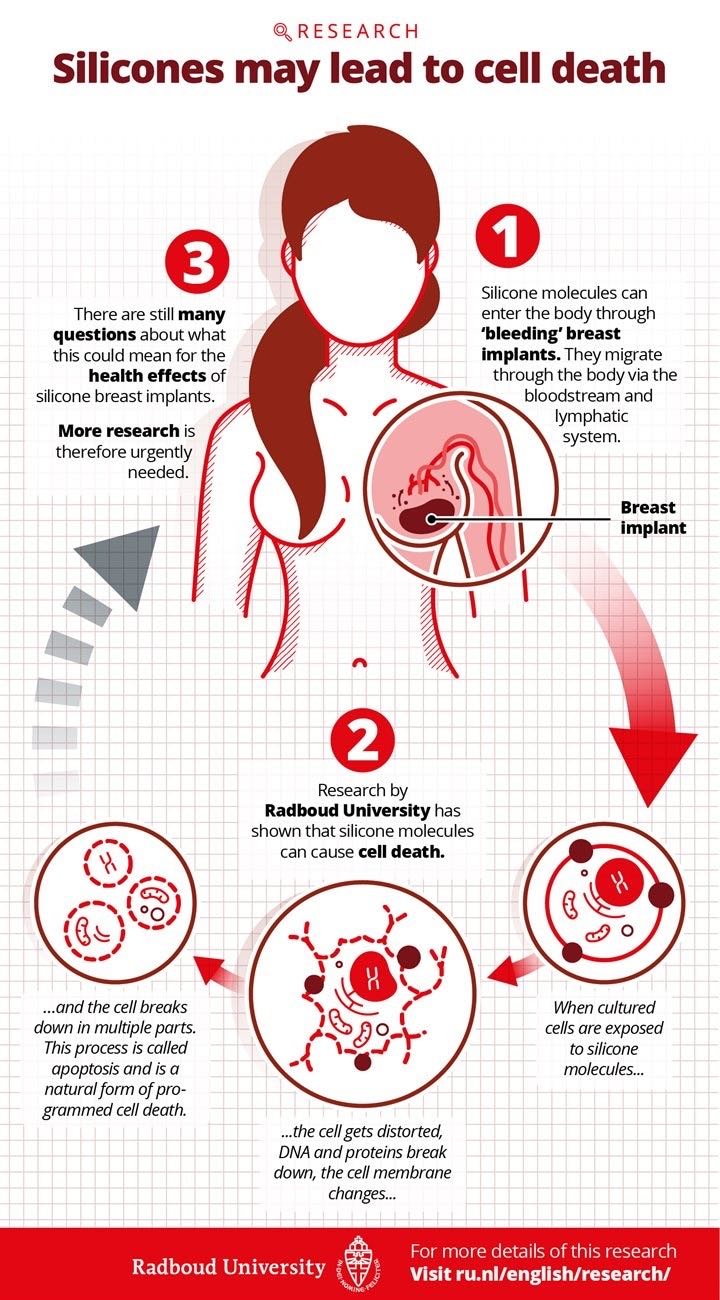
* Implant rupture or leakage
* Capsular contracture, in which scar tissue hardens around the implant
* Breast pain or changes in sensation
* Infection
* Changes in breast shape or appearance
* Implant movement or displacement
* Need for additional surgery
* Rare cancers associated with certain breast implants
What is BIA-ALCL?
BIA-ALCL is not breast cancer. It is a rare type of non-Hodgkin lymphoma that can develop around a breast implant, particularly in the scar tissue or fluid surrounding the implant.
Warning signs can include persistent swelling, a lump, pain or changes around the implant, sometimes occurring years after the original surgery.
An important distinction
The phrase “silicone implant cases” can be misleading. A reported complication does not automatically mean silicone itself caused the problem. Researchers and regulators distinguish between symptoms reported by implant recipients, confirmed implant complications and diseases directly associated with implants.
Therefore, silicone breast implants should not be considered either completely risk-free or automatically dangerous. The actual risk depends on factors such as implant type, surface, age of the implant, individual health factors and follow-up care.
Conclusion
Silicone breast implants have been used for decades and can provide significant cosmetic and reconstructive benefits. However, they require long-term monitoring because complications—including rupture, scar-tissue problems and rare implant-associated lymphoma—can occur.
Anyone considering implants should discuss the specific implant model, surface type, expected lifespan, possible complications and long-term follow-up with a qualified plastic surgeon.


Comments
No comments yet.