

Ownmates Post
🦤 Moa – The Giant Flightless Bird of New Zealand
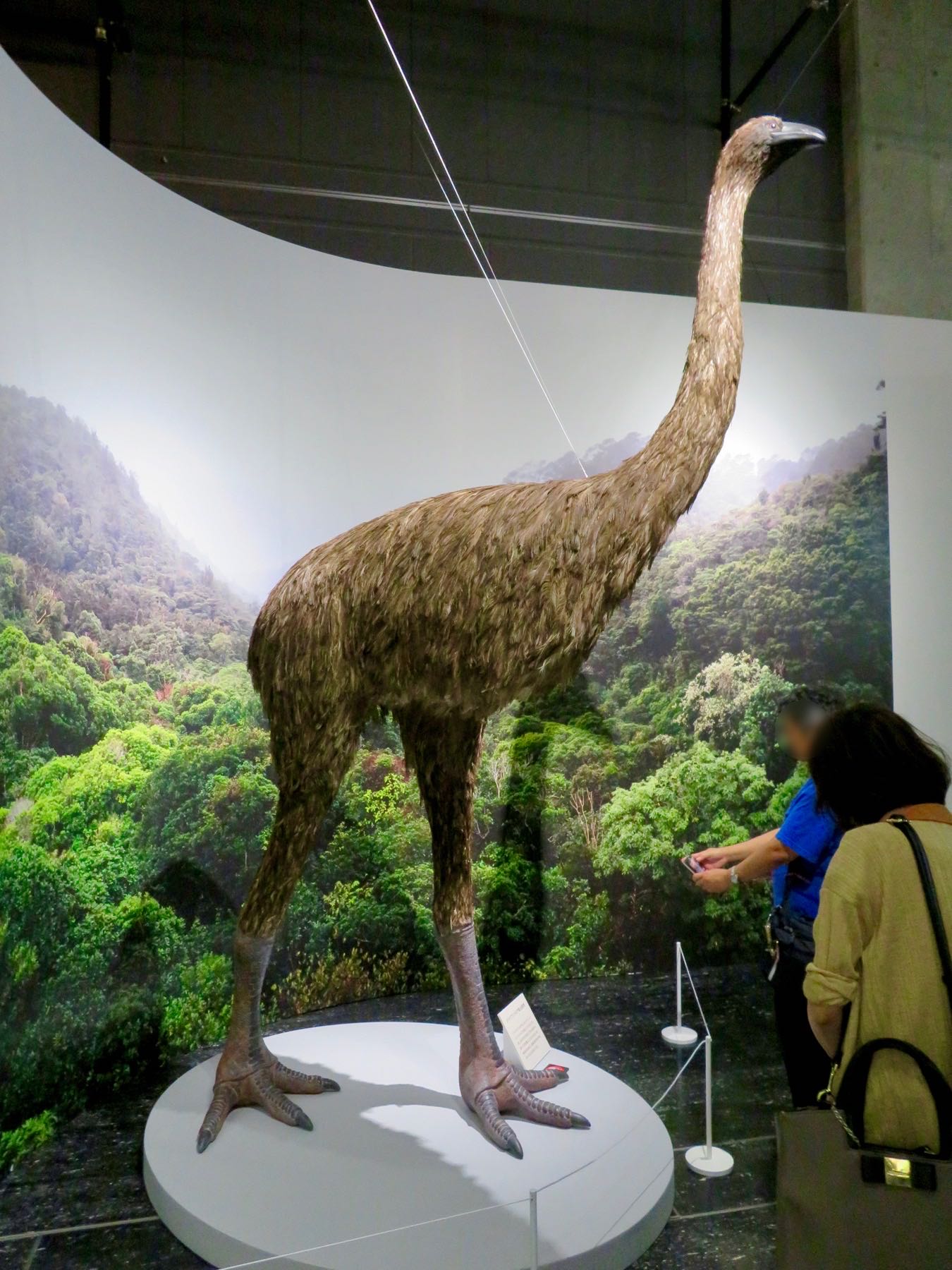
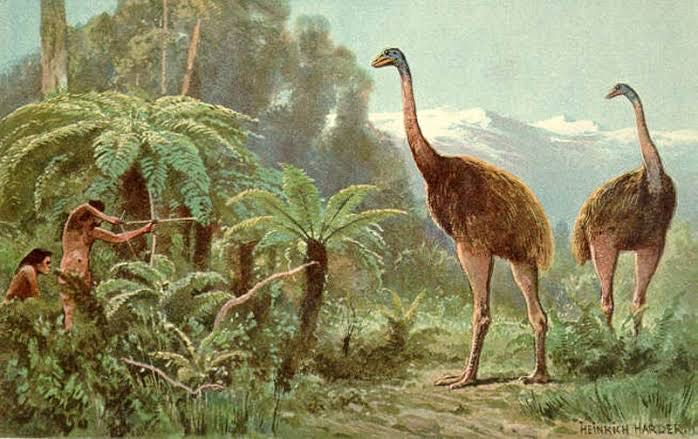
The Moa were a group of large, flightless birds native to New Zealand, now completely extinct. They were among the tallest and heaviest birds to have ever lived.
⸻
🔍 Key Facts about Moa
Feature Details
🧬 Scientific Order Dinornithiformes
🌍 Found Only In New Zealand (endemic species)
🦤 Flight Ability Flightless
📏 Height Up to 3.6 meters (12 feet) when upright
⚖️ Weight Up to 230 kg (510 lbs)
🥗 Diet Herbivorous – leaves, fruits, twigs
⏳ Extinct By Around 1400–1500 CE
⸻
📜 History and Extinction
🔹 Arrival of Māori and Overhunting
• The Māori people arrived in New Zealand around 1250–1300 CE.
• Moa had no natural predators and weren’t afraid of humans.
• Due to overhunting and habitat destruction, all Moa species became extinct within 200–300 years of human arrival.
🔹 Haast’s Eagle Also Went Extinct
• The Haast’s Eagle, the largest eagle known, was the Moa’s main predator.
• When Moa went extinct, the eagle followed shortly due to loss of food.
⸻
🏞️ Types of Moa
There were about 9 known species of Moa, ranging from turkey-sized to giant-sized. Some of the major ones:
• Dinornis robustus (South Island Giant Moa)
• Dinornis novaezelandiae (North Island Giant Moa)
• Others: Anomalopteryx, Pachyornis, Emeus, etc.
⸻
🥚 Moa Eggs
• Moa laid very large eggs, about 24–25 cm (10 inches) long.
• Some of these rare eggshells are preserved in museums today.
⸻
🧬 DNA and Scientific Research
• Scientists have extracted DNA from Moa bones and eggs.
• There are experimental studies exploring the possibility of de-extinction, but it remains theoretical for now.


Comments
No comments yet.