

Ownmates Post

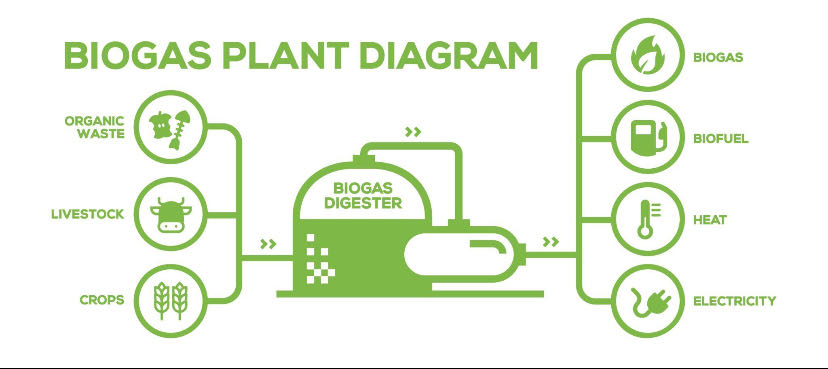
Methane gas (CH₄) is produced from human and animal waste through a natural biological process called Anaerobic Digestion.
🔬 How is methane formed?
🧫 1. Lack of Oxygen (Anaerobic Condition)
When waste (like feces, urine, or animal dung) is stored in places without oxygen (such as septic tanks, pits, or wetlands), anaerobic conditions are created.
🦠 2. Role of Microorganisms (Methanogens)
Certain microorganisms called Methanogens break down organic matter.
👉 These microbes:
• Feed on organic material (food waste, fiber, etc.)
• Convert it into simpler compounds
• Finally produce methane (CH₄) and carbon dioxide (CO₂)
⚗️ 3. Chemical Process (Simplified)
In simple terms:
• Waste → broken down into acids
• Acids → converted into gases → CH₄ CO₂
🌍 Where is methane commonly produced?
• Animal dung (cow, buffalo, etc.)
• Human sewage (septic tanks)
• Landfills (garbage dumps)
• Swamps and wetlands
⚠️ Why is it important?
• Methane is a powerful greenhouse gas → contributes to Global Warming
• But it is also useful as biogas, a renewable energy source
✅ Conclusion
Methane is produced from waste because:
• There is no oxygen
• Special microbes (methanogens) are active
• They break down organic matter and release gas


Comments
No comments yet.