

Ownmates Post
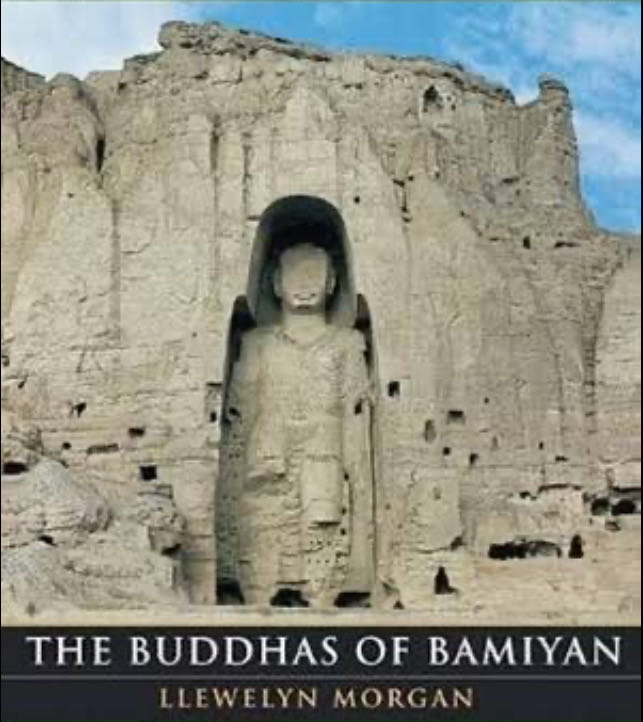
Mes Aynak is a significant archaeological site located approximately 40 kilometers southeast of Kabul in Afghanistan’s Logar Province. The name “Mes Aynak” translates to “little source of copper” in Pashto and Persian, reflecting the area’s rich copper deposits.
⸻
🏛️ Historical and Cultural Significance
Mes Aynak was a thriving Buddhist settlement between the 5th and 7th centuries CE. The site encompasses a vast complex of Buddhist monasteries, stupas, and over 400 Buddha statues, covering an area of about 40 hectares. Artifacts unearthed include coins from the Alchon Hun rulers, indicating the site’s historical importance during that era. Beneath the Buddhist layers, archaeologists have discovered remnants of a 5,000-year-old Bronze Age settlement, including an ancient copper smelter, highlighting Mes Aynak’s long-standing association with copper mining.
⸻
⚒️ Copper Mining and Preservation Challenges
In 2007, the China Metallurgical Group Corporation (MCC) secured a 30-year lease to develop a copper mine at Mes Aynak, marking one of Afghanistan’s largest foreign investments. The site is believed to contain approximately six million tons of copper, valued at tens of billions of dollars. However, the mining project poses a significant threat to the archaeological remains. Emergency salvage excavations initiated in 2009 have led to the recovery of over 3,500 artifacts, but concerns persist about the potential destruction of unrecovered historical treasures.
⸻
🛡️ Conservation Efforts and Recent Developments
Despite the challenges, efforts to preserve Mes Aynak continue. In 2023, the Taliban endorsed an 18-month conservation project aimed at safeguarding the site’s Buddhist heritage. Additionally, the documentary “Saving Mes Aynak” by Brent E. Huffman has played a pivotal role in raising global awareness about the site’s cultural significance and the threats it faces from mining activities.
⸻
🎥 Explore More
For a deeper understanding of Mes Aynak’s historical and cultural importance, you may find the following documentary insightful:
https://youtu.be/SAHVseE8Cks?si=WdbbSit2AyrtK3lJ


Comments
No comments yet.