

Ownmates Post
History of the Christianity and Roman Catholic Church :-
1. First Century (1st Century CE)
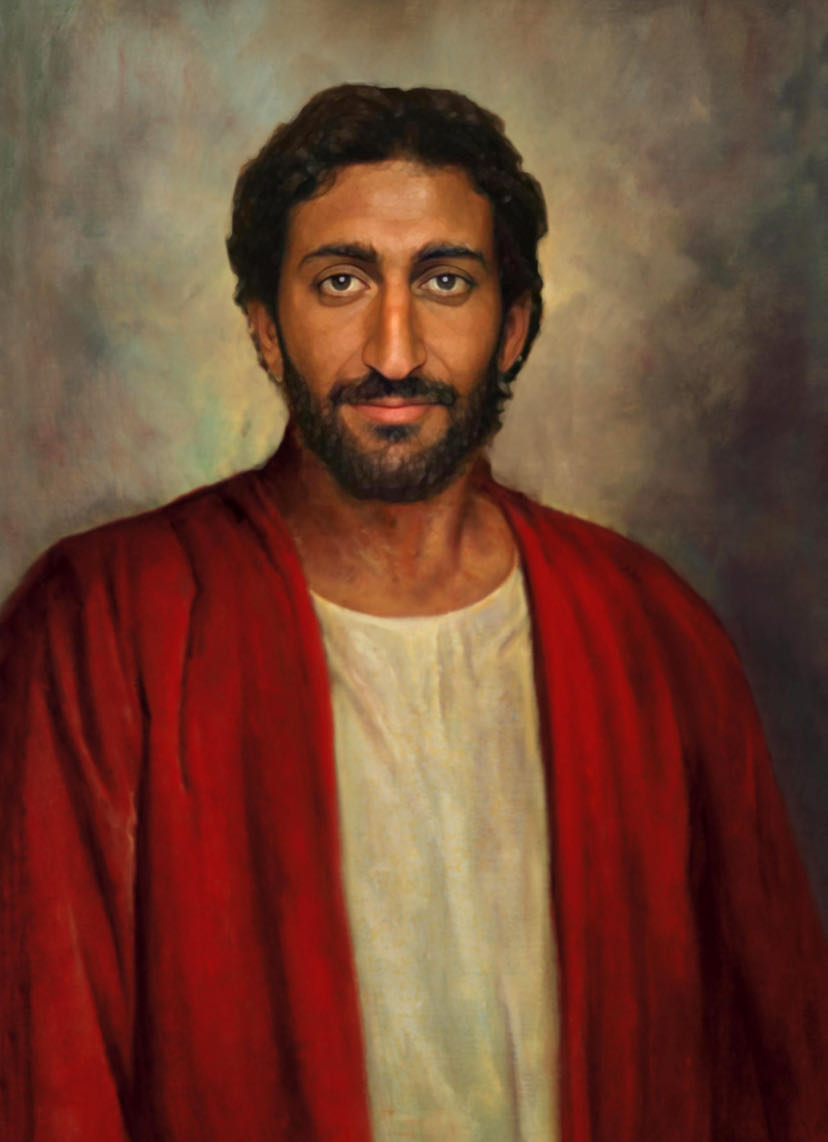
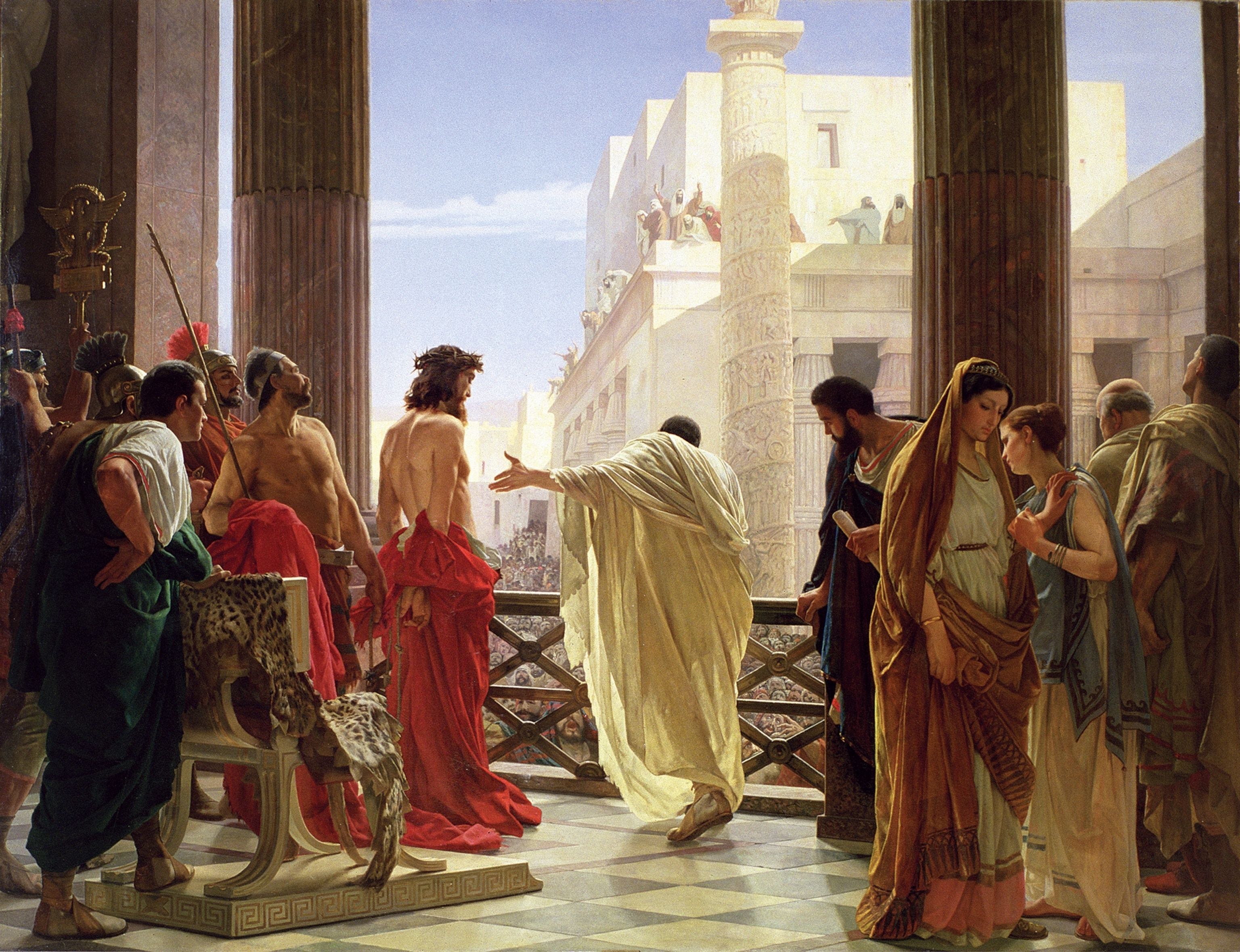
* Christianity began with the teachings of Jesus Christ.
* His apostles, especially Saint Peter and Saint Paul, spread the Christian faith.
* According to Catholic tradition, Saint Peter became the first Bishop of Rome (the first Pope).
2. Persecution in the Roman Empire (1st–3rd Century)
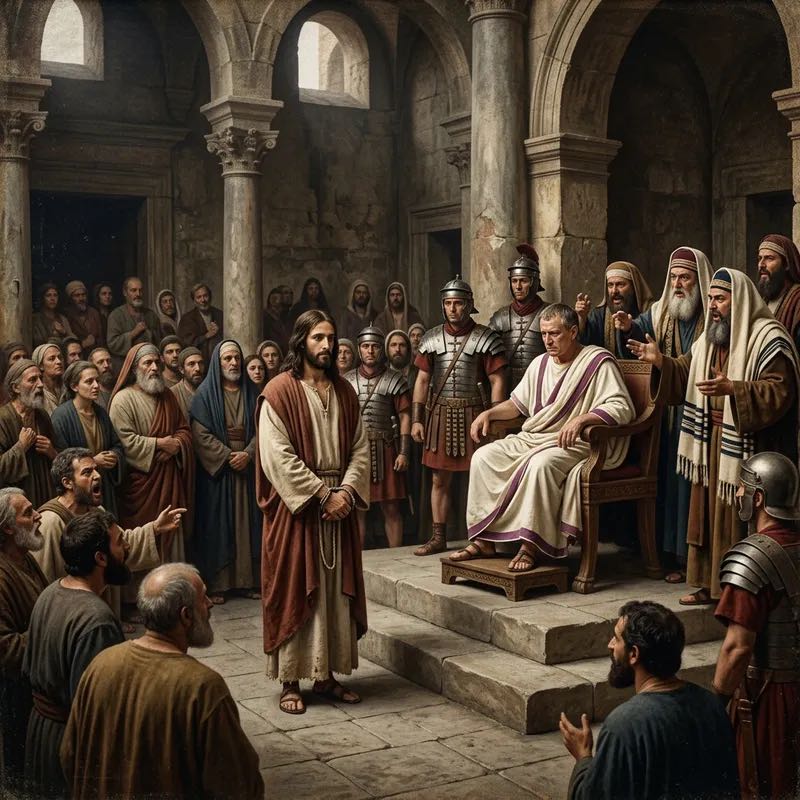
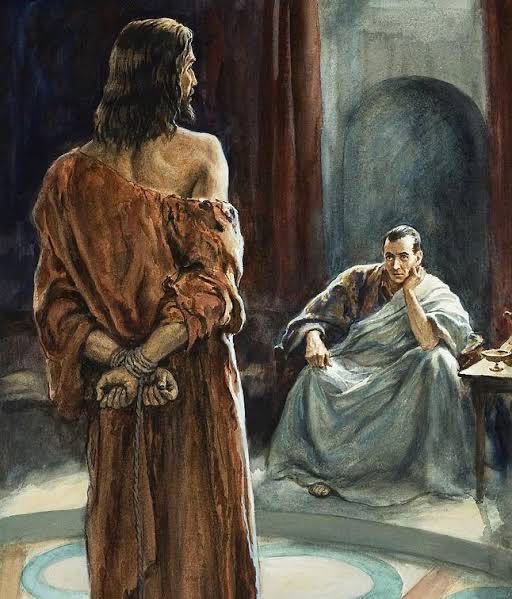
* For nearly 300 years, Christians faced periods of persecution under several Roman emperors.
* Despite this, Christianity continued to grow throughout the empire.
3. Constantine the Great (313 CE)
* Constantine the Great issued the Edict of Milan, which legalized Christianity.
* Christians were then free to worship openly, and the Church expanded rapidly.
4. Theodosius I (380 CE)
* Theodosius I made Nicene Christianity the official religion of the Roman Empire.
* From this point onward, the Church and the state became closely connected.
5. Middle Ages (5th–15th Century)
* After the fall of the Western Roman Empire in 476 CE, the Church became one of the most powerful institutions in Europe.
* Popes often had significant religious and political influence.
6. The Great Schism (1054)
* Christianity split into two major branches:
* Roman Catholic Church (Western Church)
* Eastern Orthodox Church (Eastern Church)
7. Protestant Reformation (1517)
* Martin Luther criticized several Church practices.
* This led to the rise of Protestant churches.
8. Modern Era
* Today, the Roman Catholic Church is the world’s largest Christian denomination.
* Its headquarters is in Vatican City, and it is led by the Pope.
Did the Roman Empire create the Church?
Most historians say no.
* The Christian Church already existed before Emperor Constantine.
* Constantine legalized Christianity in 313 CE; he did not create it.
* Later, Theodosius I made Christianity the official religion of the Roman Empire.
* After that, the Church and the Roman state developed a close relationship, influencing each other in religious, political, and social matters.
Donations and Wealth
* The Church received donations from ordinary believers, rulers, and wealthy families.
* These funds supported churches, monasteries, education, charity, and care for the poor.
* Over time, the Church also accumulated land, wealth, and political influence.
Therefore, the claim that the Roman Empire ran the Church only to collect donations and expand its political power is not supported by the mainstream historical evidence. The relationship between the Church and the Roman state evolved over centuries and was far more complex than that.


Comments
No comments yet.