

Ownmates Post

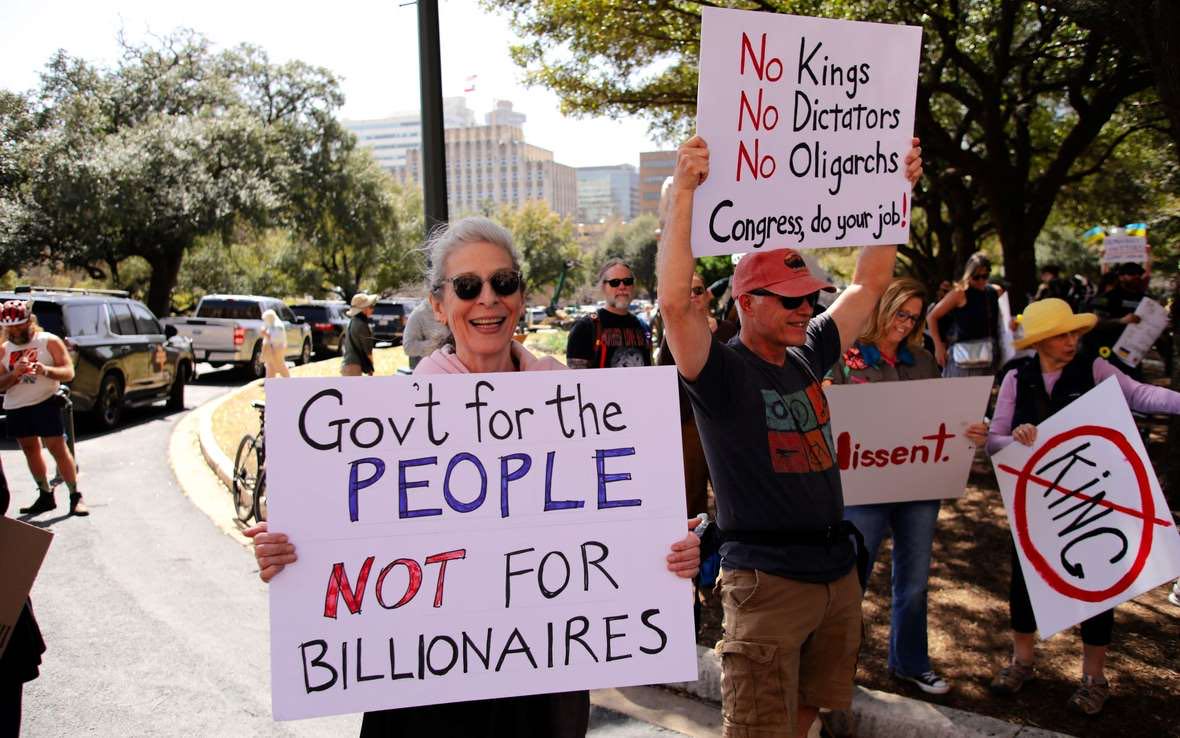
DOGE’s War on Federal Workers Shows Why We Need Labor Law Reform
The Department of Government Efficiency (DOGE), led by Elon Musk during his brief tenure in the Trump administration, has been at the center of significant controversy due to its aggressive restructuring of the federal workforce. This initiative has not only led to widespread layoffs but has also highlighted critical gaps in U.S. labor laws, underscoring the urgent need for reform.
DOGE’s Impact on Federal Workers
Under DOGE, approximately 260,000 federal employees were laid off or encouraged to leave through buyouts and early retirements. These actions have disproportionately affected probationary employees and those in agencies like the Social Security Administration, the Centers for Disease Control and Prevention (CDC), and the Department of Veterans Affairs, including researchers in critical areas such as cancer treatment and opioid addiction . Many of these dismissals have been legally challenged, with courts ordering the reinstatement of over 24,000 workers.
In addition to layoffs, DOGE implemented policies requiring federal employees to submit weekly emails detailing their accomplishments. While intended to enhance accountability, these mandates have been criticized as burdensome and ineffective, particularly in departments managing sensitive information.
Erosion of Civil Rights Protections
DOGE’s restructuring efforts have also targeted civil rights and equal employment opportunity (EEO) offices within federal agencies. For instance, the Social Security Administration closed its Office of Civil Rights and Equal Opportunity, and the Department of Labor planned significant cuts to its Office of Federal Contract Compliance Programs. These moves have raised concerns about the government’s ability to uphold legal obligations to protect workers’ rights, especially for marginalized groups.
Broader Implications and the Need for Labor Law Reform
The actions taken by DOGE have drawn comparisons to the Reagan administration’s 1981 firing of striking air traffic controllers, which set a precedent for aggressive anti-union tactics in both public and private sectors. Critics argue that such measures are part of a broader agenda to weaken public institutions and shift towards privatization, ultimately benefiting the wealthy at the expense of workers.
This situation underscores the inadequacies of current U.S. labor laws, particularly the blanket prohibition on strikes by federal employees and limitations on union activities. Proposals like the Protecting the Right to Organize (PRO) Act aim to address these issues by making it easier for workers to organize and engage in collective bargaining.
Legislative Responses
In response to DOGE’s actions, Rep. LaMonica McIver introduced the Model Employee Reinstatement for Ill-advised Termination (MERIT) Act, which seeks to reinstate federal employees unjustly fired by DOGE and provide them with back pay. The bill has garnered support from numerous lawmakers and labor unions, highlighting a growing consensus on the need to protect federal workers and uphold their rights.
Conclusion
The upheaval caused by DOGE’s policies has not only disrupted the lives of thousands of federal workers but has also exposed significant weaknesses in the nation’s labor laws. Addressing these issues through comprehensive labor law reform is essential to ensure fair treatment and protection for all workers, public and private alike.


Comments
No comments yet.