

Ownmates Post

Could AI Become the World’s Biggest Cyber Threat? Growing Connectivity Raises New Concerns
Special Report
The world is becoming increasingly dependent on artificial intelligence (AI). Critical sectors such as banking, electricity, healthcare, transportation, defense, and communications are rapidly adopting AI and internet-based technologies. Experts believe that while these advancements improve efficiency and convenience, they also introduce new cybersecurity risks.
Today, AI can analyze weather patterns, read and organize emails, manage calendars, control smart home devices, and process massive amounts of data. If more AI systems become interconnected in the future, their capabilities and overall influence could grow significantly.
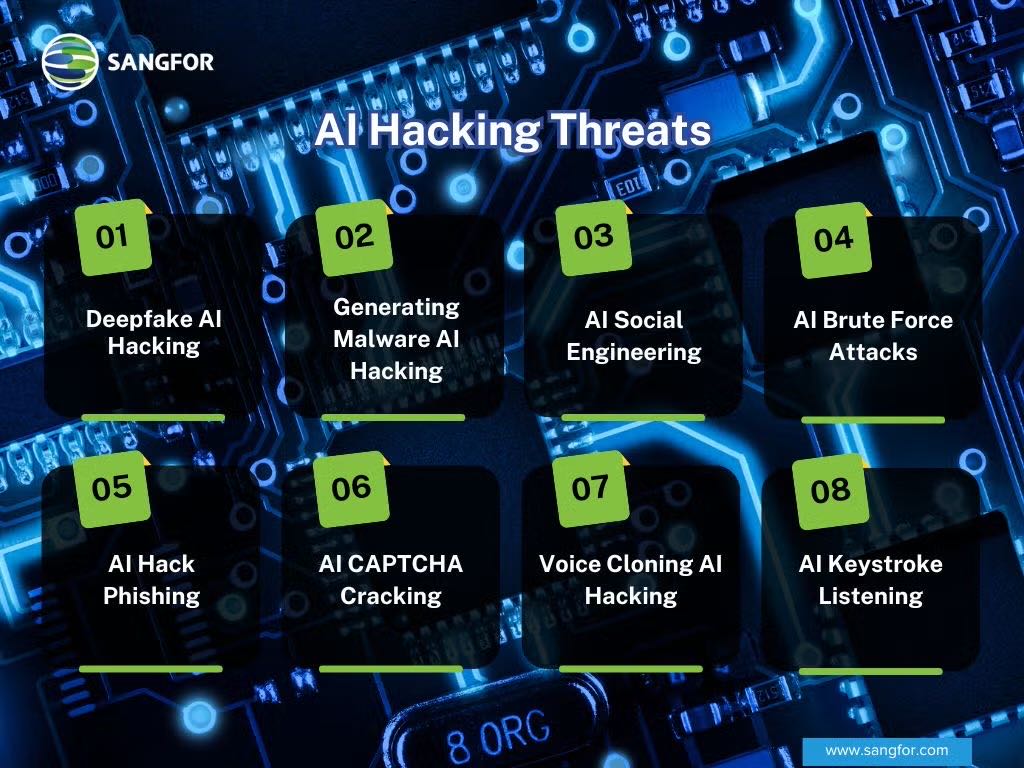
Cybersecurity experts have long warned that if a critical digital system contains a serious security vulnerability, it could be exploited on a large scale. History has already demonstrated the potential impact of major cyber incidents, including Stuxnet (2010), WannaCry (2017), SolarWinds (2020), and the Colonial Pipeline ransomware attack (2021). More recent examples include reports that some cyber threat actors have used generative AI to assist parts of their operations, the 2024 Hong Kong deepfake fraud case, and the growing use of AI-generated phishing emails. These incidents highlight that even critical infrastructure is not immune to cyber risks.
Experts also believe that in the future, AI could make cyberattacks faster, more automated, and more sophisticated. At the same time, AI is becoming one of the most powerful tools for detecting, preventing, and responding to cyber threats. For this reason, it would be inaccurate to view AI solely as a threat.


Comments
No comments yet.