

Ownmates Post

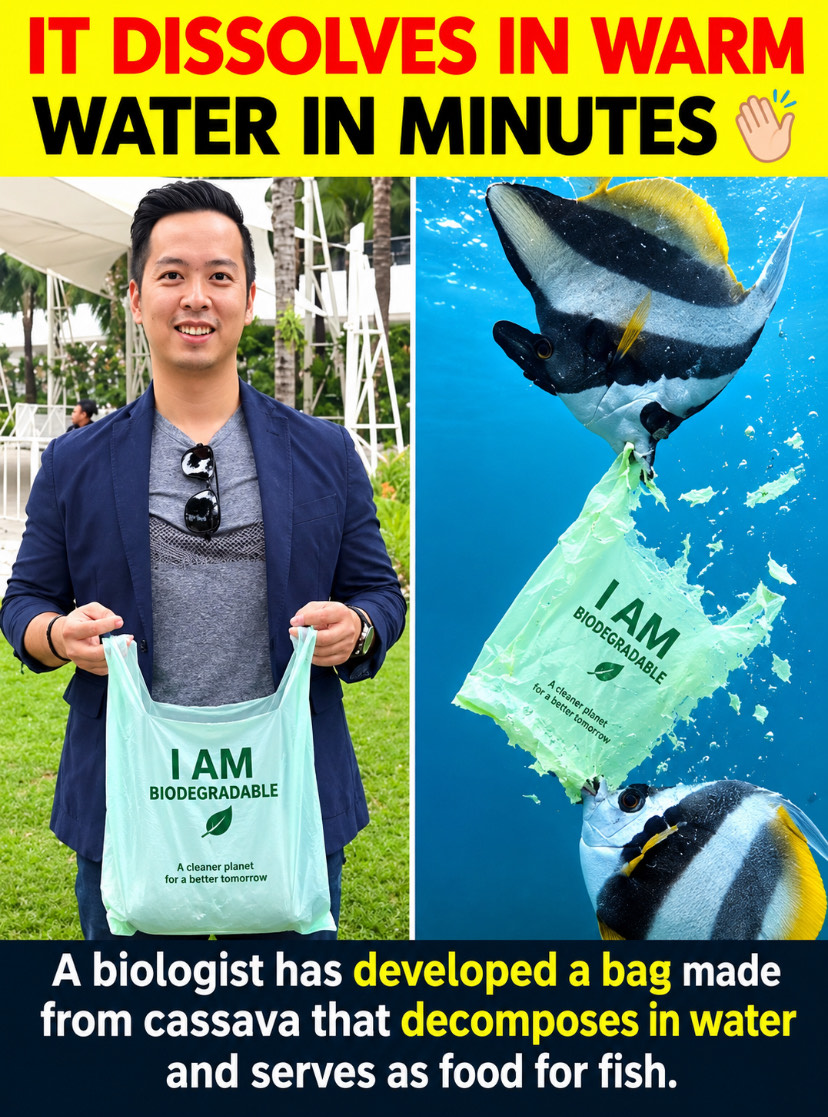
Cassava: A Natural Alternative to Conventional Polythene
Plastic has become an essential part of modern life, but conventional petroleum-based polythene creates serious environmental challenges because it can persist in the environment for decades or even longer.
One promising alternative is cassava-based bioplastic.
Cassava is a starch-rich root crop widely cultivated in tropical and subtropical regions. Its starch can be extracted and processed into biodegradable plastic materials, including films, packaging sheets and certain types of bags.
How Is Cassava Plastic Made?
Cassava starch can be mixed with water and a plasticizer such as glycerol. When the mixture is heated and processed, the starch molecules form a flexible material that can be shaped into a thin film.
Cassava starch water plasticizer heat → Bioplastic film
The resulting material can potentially be used for packaging, disposable products and other applications where conventional plastic is currently used.
Why Is It Important?
Cassava-based bioplastic is made from a renewable agricultural resource, rather than fossil fuels. Under suitable environmental conditions, many starch-based materials can biodegrade more readily than conventional petroleum-based plastics.
It could also create additional value for cassava-producing farmers and support the development of more sustainable packaging industries.
But Is It a Complete Replacement?
Not necessarily.
Cassava bioplastic can have limitations involving strength, moisture resistance, shelf life, production cost and industrial-scale processing. Its environmental benefits also depend on how the material is produced, used and disposed of.
Therefore, cassava-based plastic should be viewed as one potential part of the solution, alongside recycling, reusable packaging, waste management and reduction of unnecessary plastic consumption.
The Future of Cassava Bioplastic
As research and manufacturing technologies improve, cassava starch could become an increasingly useful raw material for biodegradable packaging.
The idea is simple but significant: turning an agricultural crop into a material that can help reduce dependence on fossil-fuel-based plastic.
Cassava may therefore have a role not only as a food crop, but also as a potential raw material for the next generation of sustainable materials.


Comments
Yeh technology to bahut acha hai.