

Ownmates Post
Baal: An Important Deity of the Ancient Middle East
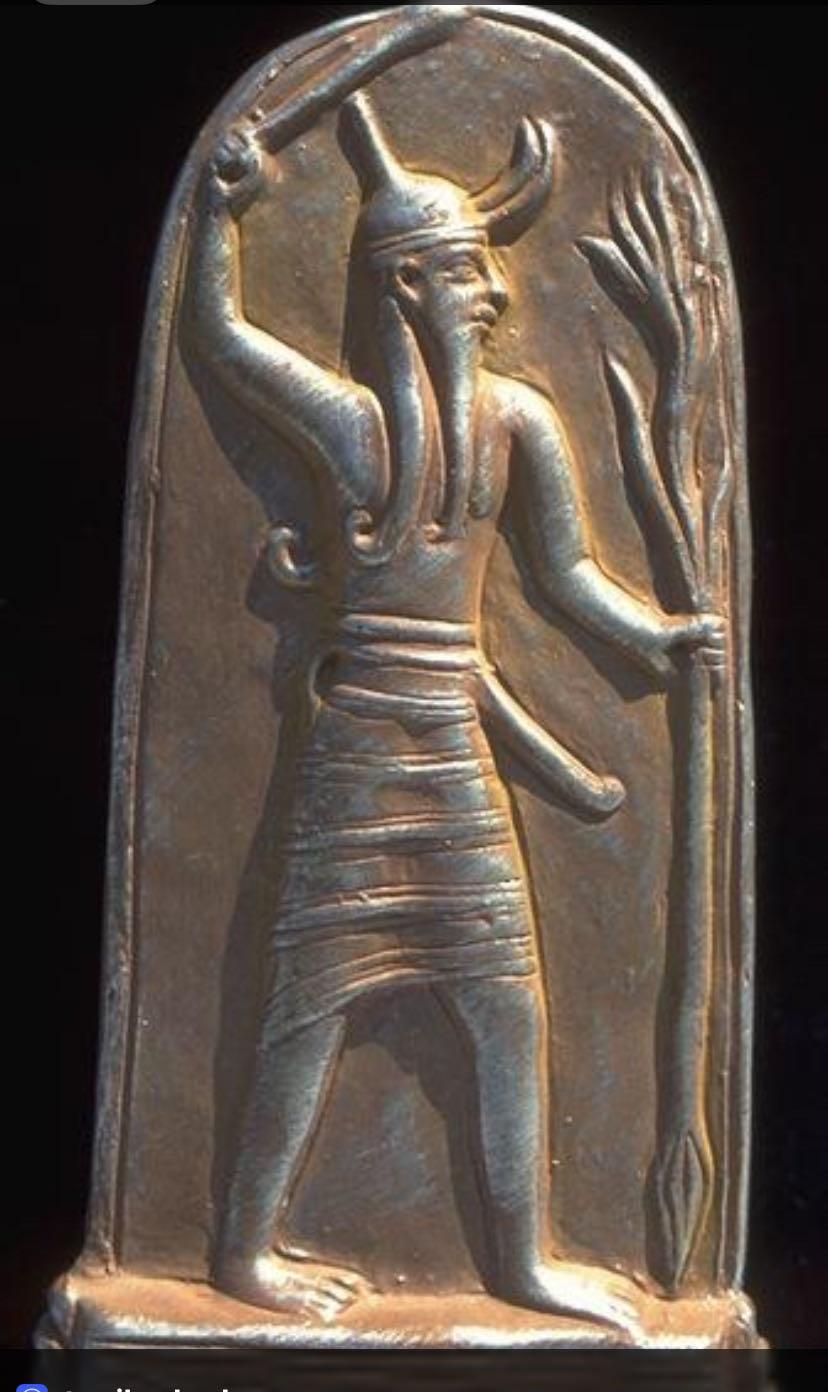
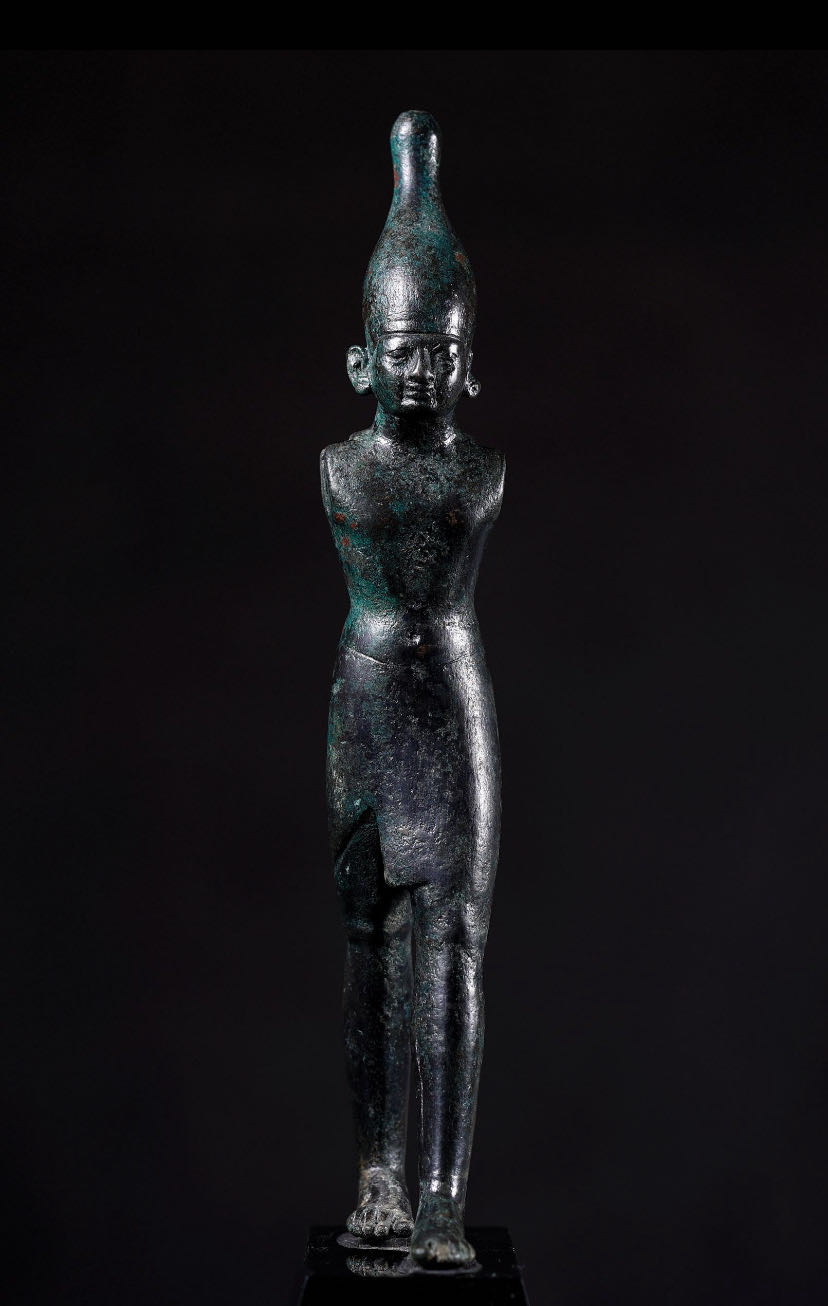
Baal was one of the most important deities worshipped in several ancient Semitic cultures of the Middle East. The word “Baal” generally means “lord,” “master,” or “owner.” It was not only the name of a specific deity but also a title that could be applied to different gods in various regions.
In Canaanite religion, Baal was primarily regarded as the god of storms, rain, fertility, and agriculture. Since ancient agricultural societies depended heavily on rainfall for survival and prosperity, Baal occupied a central place in religious life. People prayed to him for good harvests, abundant crops, and protection from drought.
Ancient myths portray Baal as a powerful warrior and ruler of natural forces. In many stories, he battles beings associated with the sea, chaos, or drought. These myths reflected how ancient people understood the cycles of nature and the changing seasons.
Baal is frequently mentioned in the Hebrew Bible (Old Testament), where the worship of Baal is often presented in conflict with the worship of the God of Israel. As a result, later Jewish and Christian traditions commonly portrayed Baal as a false god and a symbol of religious opposition.
Over time, some religious and occult traditions transformed Baal’s image further, depicting him as a demon or infernal spirit. Historically, however, Baal was originally a major deity worshipped by several ancient civilizations rather than a figure associated with evil in his own religious context.
Today, Baal remains an important subject in the study of ancient history, archaeology, religion, and mythology. Although modern conspiracy theories sometimes reference Baal, such claims generally lack strong historical evidence and should be distinguished from established historical scholarship.
This version presents Baal from a historical and academic perspective while distinguishing historical facts from later interpretations and modern conspiracy theories.


Comments
No comments yet.