

Ownmates Post

Are Humans Built for Truth?
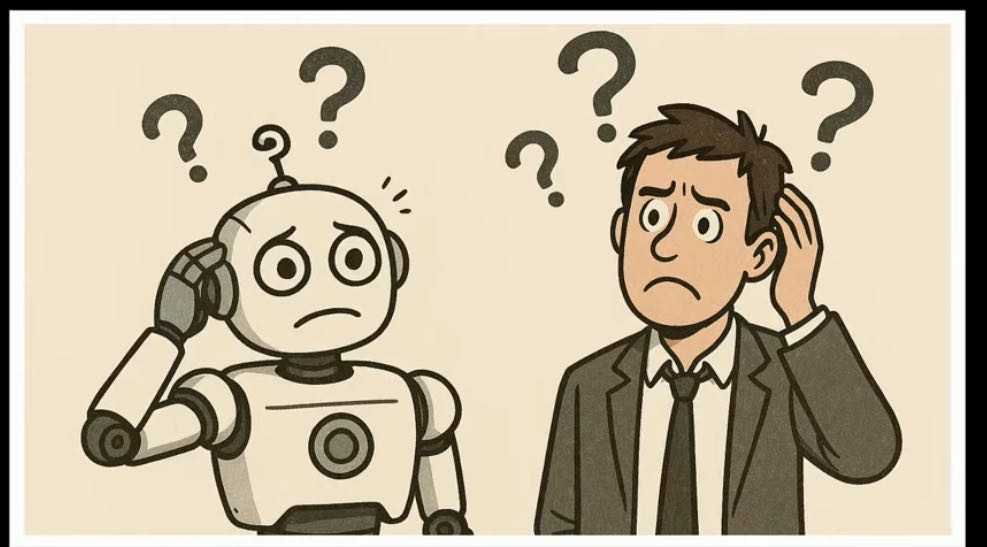
In the digital age, humanity is surrounded by more information than ever before. Every second, millions of posts, videos, articles, and AI-generated messages flood the internet. At first glance, this explosion of knowledge seems like a path toward a smarter and more informed civilization. Yet the reality is far more complicated. As information has grown, so too have confusion, misinformation, and deception.
The uncomfortable truth is that the human brain was not designed to seek perfect objectivity. Our minds evolved primarily for survival. Early humans needed to react quickly to danger, remain loyal to their social groups, and make rapid emotional decisions. Those instincts helped our ancestors survive in a harsh world. But in today’s hyperconnected society, the same instincts can distort our understanding of reality.
Modern technology has learned to exploit these weaknesses.
Social media platforms use algorithms designed to capture attention, not necessarily to promote truth. Content that triggers strong emotions — anger, fear, outrage, excitement — spreads faster than calm, evidence-based discussion. As a result, people are often drawn toward information that confirms what they already believe. Psychologists call this “confirmation bias,” one of the most powerful cognitive tendencies in human behavior.
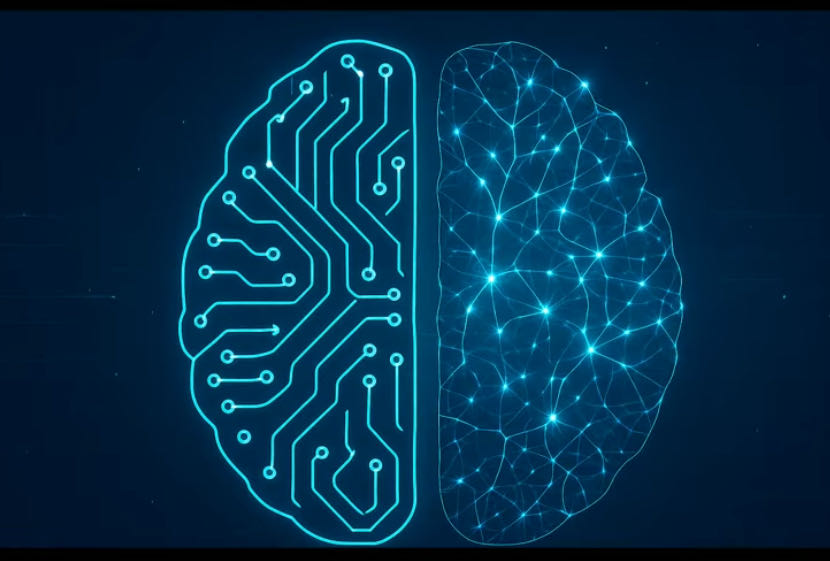
Artificial intelligence has intensified the challenge. AI systems can now generate convincing fake images, realistic voices, fabricated videos, and entire articles that appear authentic. Deepfakes and synthetic media are becoming increasingly sophisticated, blurring the line between reality and fiction. In the near future, distinguishing truth from manipulation may become one of the defining struggles of modern civilization.
Science writer Roger Highfield has explored this growing crisis by combining decades of scientific engagement with the latest findings in neuroscience. Humanity has used science to map the cosmos, fight deadly diseases, decode DNA, and uncover the mysteries of subatomic particles. Yet science now faces a new and deeply personal adversary: the limitations of the human mind itself.
The problem is not technology alone. The deeper issue lies in human psychology. People rarely process information in a purely rational way. Emotions, identity, political beliefs, religion, and social belonging strongly influence how facts are interpreted. Once a belief becomes emotionally tied to a person’s identity, evidence alone often fails to change their mind.
This creates a dangerous environment where misinformation can thrive. False narratives spread rapidly online, while truth moves more slowly and often struggles to compete with emotionally charged content. In many cases, people do not share misinformation because they are malicious, but because the information resonates with their fears, hopes, or worldview.
Despite these challenges, there is still hope.
Critical thinking, scientific literacy, and media awareness may become the most important survival skills of the 21st century. Education must go beyond memorizing facts; it must teach people how to evaluate evidence, question sources, recognize manipulation, and think independently in a world overloaded with information.
The greatest battle of the future may not be between nations, technologies, or ideologies. It may be a battle between truth and illusion — fought inside the human mind itself.


Comments
AI