

Ownmates Post

🧬 Placenta — The Baby’s Temporary Life-Support Organ
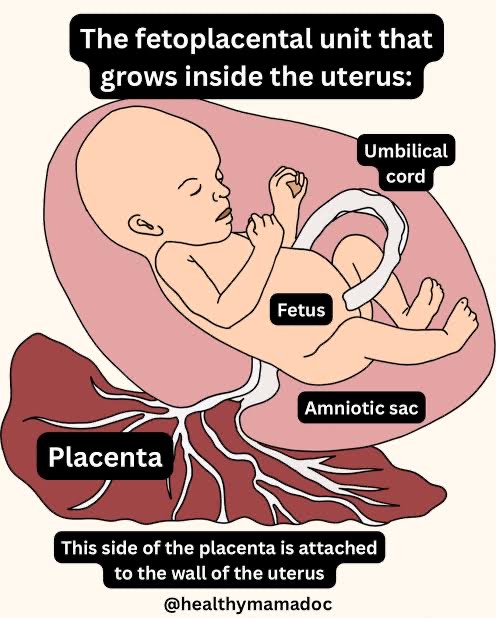
The placenta is a temporary, highly specialized organ that develops during pregnancy. It attaches to the wall of the uterus and connects with the developing baby through the umbilical cord.
It acts as an essential exchange, hormone-producing, and immune-support organ, helping the baby grow and develop until birth.
🫁 1. Oxygen and Waste Exchange
The placenta transfers oxygen from the mother’s blood to the baby and helps move carbon dioxide and other metabolic waste products from the baby toward the mother.
The mother and baby normally have separate blood circulations. Their blood does not normally mix directly; instead, substances cross specialized placental tissues.
🍎 2. Nutrient Supply
The placenta transfers essential substances needed for fetal growth, including:
* Glucose
* Amino acids
* Fatty acids
* Vitamins
* Minerals
* Water and electrolytes
The placenta actively regulates what enters and leaves the fetal circulation rather than acting as a simple passive filter.
🩸 3. Umbilical Cord
The umbilical cord connects the baby to the placenta and normally contains three blood vessels:
* 🔴 Two umbilical arteries — carry blood from the baby to the placenta.
* 🔵 One umbilical vein — carries oxygen- and nutrient-rich blood from the placenta to the baby.
The vessels are protected by Wharton’s jelly, a gelatinous connective tissue.
🧪 4. Hormone Production
The placenta functions as an important endocrine organ. It produces hormones including:
* hCG — supports early pregnancy and is detected by pregnancy tests.
* Progesterone — helps maintain the pregnancy.
* Estrogens — support uterine and breast changes.
* hPL and other hormones — help regulate maternal metabolism and prepare the body for later pregnancy and breastfeeding.
🛡️ 5. Immune Protection
The placenta transfers maternal IgG antibodies to the fetus, particularly during later pregnancy.
These antibodies provide the newborn with temporary passive immune protection after birth. They gradually decrease as the baby’s own immune system develops.
🚧 6. A Selective, Not Perfect, Barrier
The placenta helps regulate which substances reach the fetus, but it is not an impenetrable barrier.
Some substances—including alcohol, nicotine, certain medicines, drugs, chemicals, and some infectious agents—can cross the placenta.
Therefore, substances taken during pregnancy should be discussed with a healthcare professional.
🧬 7. Placental Development
The placenta begins developing very early after implantation of the embryo in the uterus. It continues to grow and change throughout pregnancy to support increasing demands from the developing fetus.
🔄 8. Fetal Blood Circulation
Before birth, the baby’s lungs do not perform normal oxygen exchange. Oxygen comes from the placenta through the umbilical vein.
After birth, the baby begins breathing, blood flow through the lungs increases, and fetal circulation undergoes major changes. The umbilical cord is then clamped and separated.
👶 9. What Happens After Birth?
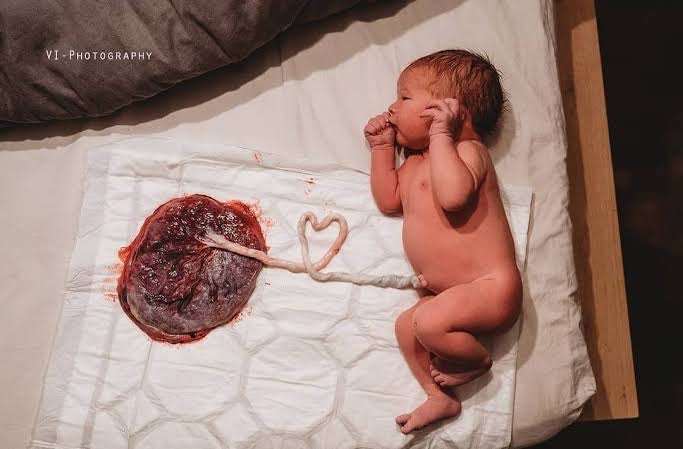
After the baby is born, the uterus contracts and the placenta separates from the uterine wall. It is then delivered as the afterbirth.
This occurs during the third stage of labor.
🩺 10. Why Is the Placenta Important Medically?
Healthcare professionals may monitor the placenta during pregnancy for:
* Location and attachment
* Blood flow
* Development and appearance
* Fetal growth
* Relationship to the cervix
* Signs of placental dysfunction
Problems involving the placenta can affect the supply of oxygen and nutrients to the fetus and may require medical monitoring.
🌍 The Placenta in Simple Terms
Think of the placenta as a temporary biological exchange center between mother and baby.
Mother → Placenta → Baby
🫁 Oxygen
🍎 Nutrients
💧 Water and electrolytes
🛡️ Maternal IgG antibodies
Baby → Placenta → Mother
♻️ Carbon dioxide
🧪 Urea and other metabolic waste
At the same time, the placenta produces hormones and regulates communication between the maternal and fetal systems.
📌 Key Facts
Function Role of the Placenta
🫁 Oxygen Supplies oxygen to the fetus
🍎 Nutrition Transfers nutrients for growth
♻️ Waste removal Moves fetal waste toward the mother
🧪 Hormones Produces important pregnancy hormones
🛡️ Immunity Transfers maternal IgG antibodies
🚧 Protection Provides selective protection, but is not a perfect barrier
🔗 Connection Links the fetus to the placenta through the umbilical cord
🩸 Exchange Allows substances to move between separate maternal and fetal circulations
👶 After birth Separates from the uterus and is delivered as the afterbirth
❤️ One-Line Summary
The placenta is a temporary life-support and communication organ that supplies the developing baby with oxygen and nutrients, removes waste, produces essential hormones, transfers protective antibodies, and supports pregnancy until birth.


Comments
No comments yet.