

Ownmates Post

Ron Garan’s Message to Humanity: Are We Living a Lie?
What an Astronaut’s View of Earth Teaches Us About Life, Nature, and Our Future
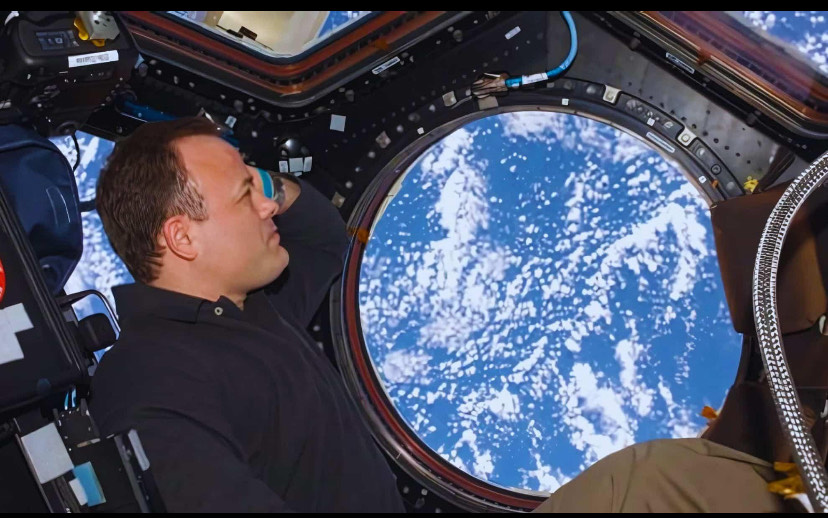
Ron Garan is a former NASA astronaut who spent approximately 178 days in space. During his missions, he saw Earth from the International Space Station. This experience changed the way he thought about humanity, our planet, and the future of civilization.
His message was powerful: Humanity must stop treating economic growth as more important than the planet that supports all life.
1. Earth Is Our Only Home
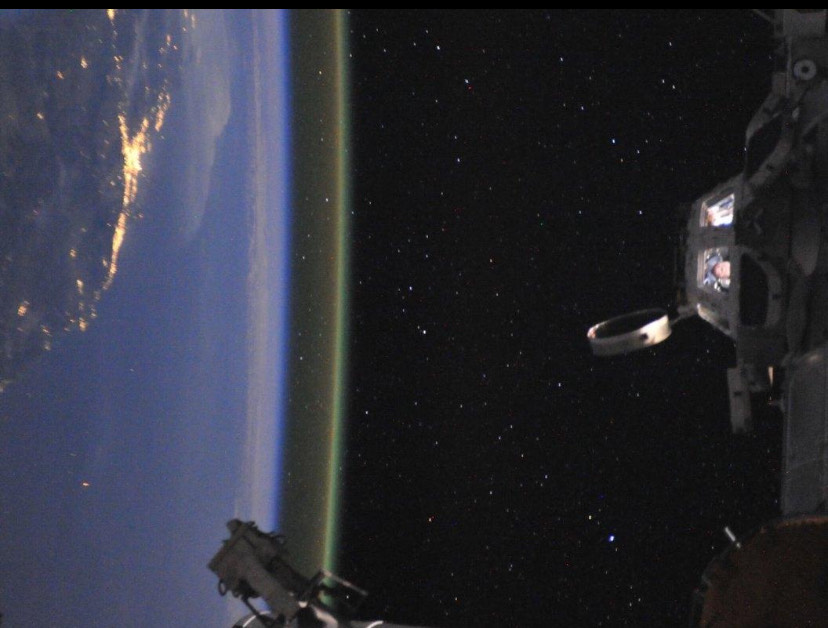
From space, Earth appears as a beautiful blue planet surrounded by darkness. Its atmosphere looks like a thin layer protecting life from the harsh conditions of space.
This view reminds us that our planet is not an unlimited source of resources. We depend on clean air, fresh water, healthy soil, forests, and a stable climate.
If we continue to damage these natural systems, we risk damaging the very foundation of human life.
2. Are We Living a Lie?
Ron Garan has criticized the way modern society often places economic growth above environmental protection and human well-being.
We measure success through money, production, consumption, and financial growth. However, these measures do not always tell us whether people are healthy, nature is protected, or future generations will have a safe world to live in.
An economy cannot exist independently of nature. Every industry depends on resources, energy, water, and the natural environment.
The real question is not whether economic development is necessary. It is whether development can continue without destroying the systems that make life possible.
3. Global Warming Is a Warning
Climate change, deforestation, air pollution, and biodiversity loss are interconnected problems.
Burning fossil fuels releases greenhouse gases that contribute to global warming. Deforestation destroys habitats and reduces the ability of forests to store carbon. Pollution also threatens human health and ecosystems.
These problems cannot be solved by one country alone. They require international cooperation, responsible industries, clean energy, and public awareness.
Protecting the environment is not against development. It is necessary for sustainable development.
4. Political Borders Do Not Change Our Shared Future
From space, astronauts can see the Earth without the political borders that separate countries on maps.
People may speak different languages, follow different traditions, and live under different governments, but everyone depends on the same planetary systems.
Air pollution can travel across borders. Greenhouse gases affect the global climate. Environmental disasters can influence food supplies, economies, and communities far from where they begin.
This is why humanity needs cooperation rather than endless competition.
5. Technology Must Serve Life
Scientific progress has given humanity powerful tools, including artificial intelligence, robotics, satellites, and advanced energy systems.
These technologies can improve healthcare, education, communication, and environmental monitoring. However, they also require energy and natural resources.
The important question is how we use these tools.
Technology should help us solve problems, protect nature, reduce waste, and improve human life. Progress should not be measured only by how advanced our machines become, but also by how responsibly we use them.
6. The Overview Effect: A New Way of Seeing Earth
The Overview Effect describes the profound shift in perspective that some astronauts experience when they see Earth from space.
The planet appears interconnected and fragile. The atmosphere that protects life looks remarkably thin, and the Earth itself appears isolated in the vastness of space.
For some astronauts, this experience strengthens their appreciation of humanity’s shared home.
It does not reveal a secret conspiracy or prove that society is hiding the truth. Instead, it encourages people to reconsider their priorities and recognize our collective responsibility for the planet.
Conclusion: Our Future Depends on Our Choices
Ron Garan’s message encourages us to look beyond short-term profits, political disagreements, and material success.
Economic development matters. Scientific progress matters. Human prosperity matters. But none of these can be separated from the natural systems that sustain life.
We must build a future in which technology supports humanity, economies respect environmental limits, and countries cooperate to address global challenges.
Earth is not simply a resource to be consumed. It is our shared home, and protecting it is a responsibility we all share.
Perhaps the most important lesson from space is simple: when we look at Earth from a distance, we see one planet, one interconnected environment, and one shared future.


Comments
No comments yet.