

Ownmates Post
Global Summits and a World at War: Are International Rules Applied Equally?
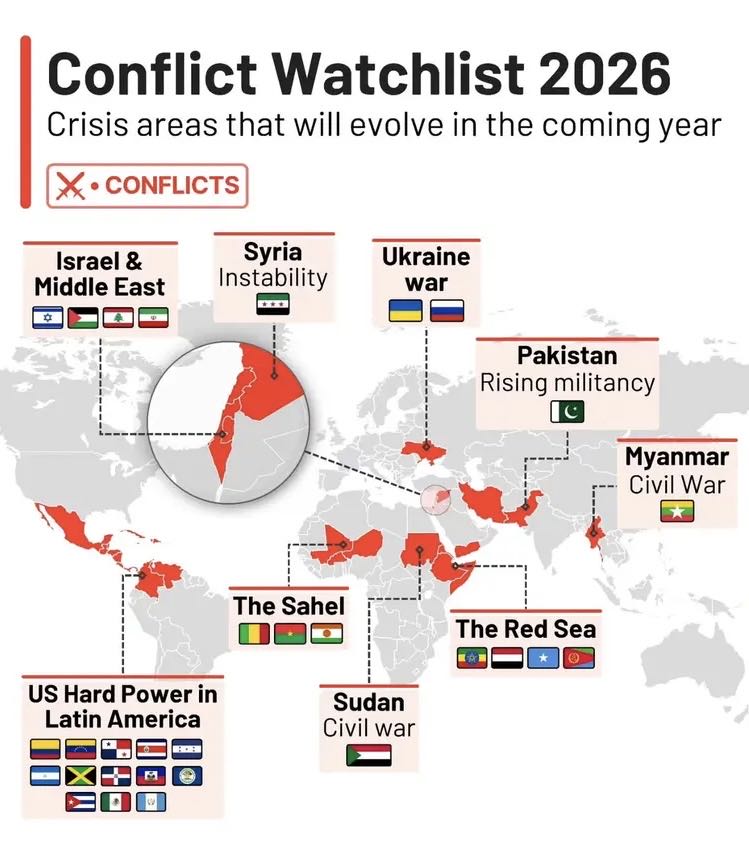
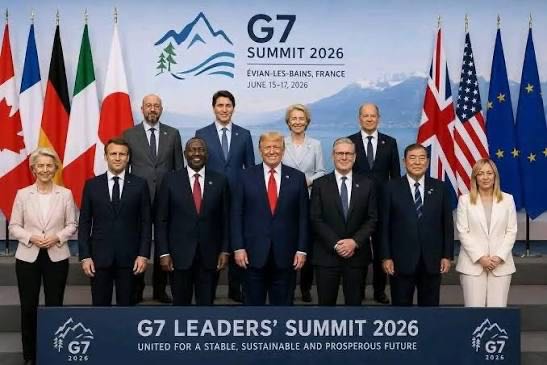
The current international landscape presents a complex and often contradictory picture. On one hand, major developed economies gather at forums such as the G7 to discuss global economic stability, security cooperation, climate challenges, and strategic priorities. On the other hand, multiple regions across the world continue to witness wars, regional conflicts, and rising geopolitical tensions.
Under such circumstances, an important question emerges before the global community: Are international rules and principles applied equally to all nations, or are their interpretation and enforcement shaped by global power dynamics?
The modern international order was established on fundamental principles such as national sovereignty, territorial integrity, and the peaceful resolution of disputes. Following the devastation of the Second World War, global institutions were created with the objective of building a rules-based system capable of preventing large-scale conflicts and promoting stability among nations.
However, practical realities often appear far more complex. In geopolitics, national interests, strategic priorities, and power structures frequently operate alongside — and sometimes in conflict with — ideal principles. As a result, differing international responses to various conflicts and crises often become noticeable.
This has led to increasing discussions regarding the existence of double standards within international politics. When a particular action in one region is described as a violation of international norms, while a similar action elsewhere is justified on the grounds of national security or strategic necessity, confusion and skepticism among the global public become understandable.
At the same time, it is important to recognize that the international system is not entirely governed by power alone. Global institutions, diplomatic frameworks, and multilateral platforms continue to play a significant role in maintaining international stability. However, their credibility and effectiveness ultimately depend on whether principles and rules are applied in a fair, transparent, and consistent manner.
Today, the world is confronting not only military conflicts but also a broader crisis of trust. When perceptions arise that international principles are interpreted differently depending on the actors involved, confidence in global institutions and the legitimacy of the international order may gradually weaken.
Therefore, the major challenge for the future is not merely the creation of new global frameworks or regulations. Rather, it lies in ensuring that existing principles are implemented with greater transparency, balance, and equality. A stable and credible international system requires rules to be guided not by power alone, but by fairness and accountability.
Current global developments demonstrate that international politics is no longer solely a matter of power and conflict. It has increasingly become a challenge of balancing rules, trust, and shared global responsibility in an interconnected world.


Comments
No comments yet.