

Ownmates Post
🎭 Connection between Carnival and Lent
The tradition of Carnival is directly linked to Lent. This is the religious period in Christianity that comes before Easter. During this time, Christian communities were expected to follow strict dietary rules in imitation of the 40 days and 40 nights that Jesus Christ spent in the desert, where he resisted the temptations of the Devil.
Observance of Lent is recorded in early Christian sources, and by the 4th century AD it had become almost universally practiced as a period of fasting before Easter. During this time, people were not allowed to consume rich foods such as fats, sweets, meat, and alcohol.
For this reason, before Lent began, people held large feasts and parties to finish the foods stored in their homes. This is why the last day before Lent is called “Mardi Gras” (Fat Tuesday).
⸻
🎭 History of the Venice Carnival
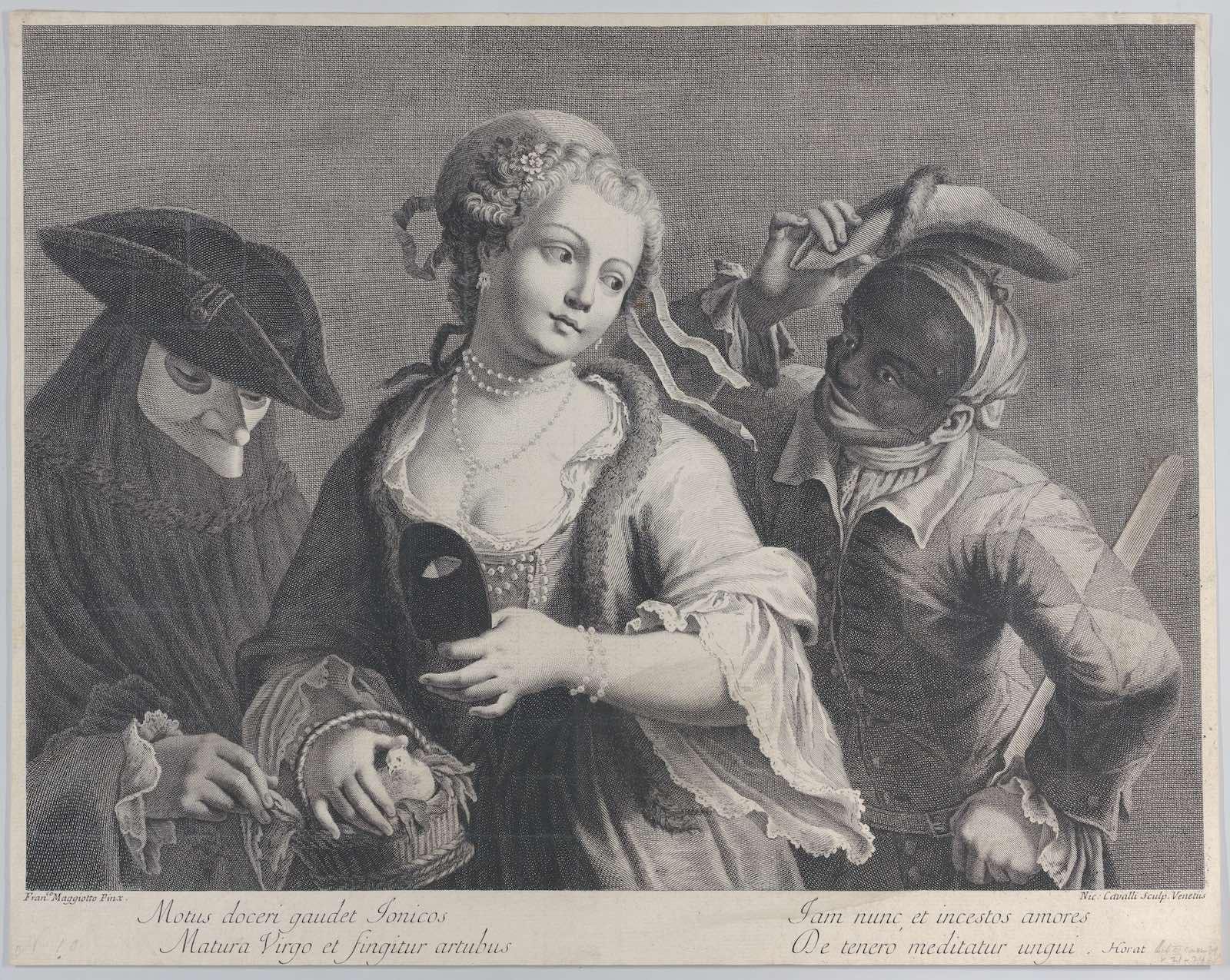
The Venice Carnival is traditionally believed to have begun in the year 1162, when the city celebrated a sudden festival in St. Mark’s Square after a glorious military victory over its rival patriarchate of Aquileia.
Gradually, this celebration became a regular annual event in Venice, associated with the festive period before Lent.
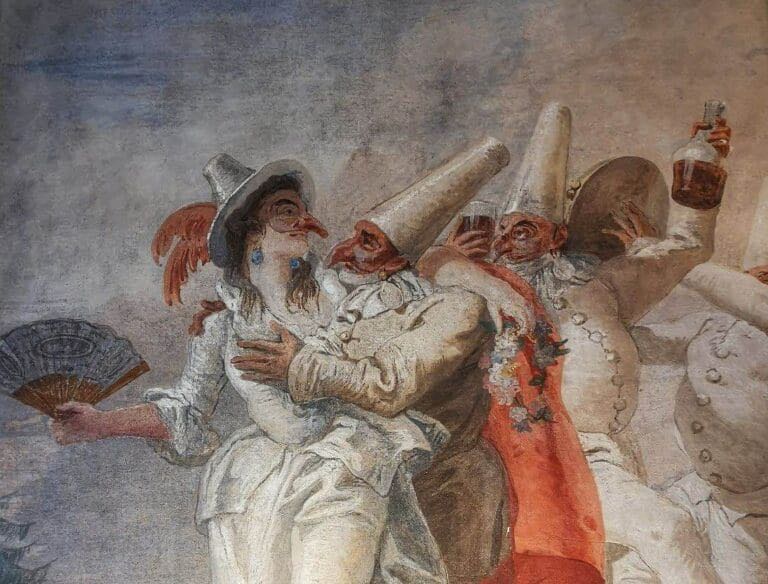
Over time, the popularity of the Venice Carnival increased, and by the 16th century it had become one of the most important social events of Baroque Europe, especially for the pleasure-seeking aristocratic class of that era.
⸻
🏛️ Ban and revival of Carnival
In 1797, the Austrian Emperor Francis II banned it due to its excessive licentiousness.
After this, the festival almost disappeared, and it was revived again in the 1970s. Since then, it has once again grown rapidly in popularity and is now one of the most famous festivals in the world.
⸻
🏰 Venetian art and the Doge’s Palace
The Doge’s Palace contains many magnificent examples of Venetian art in its various rooms.
* Veronese’s painting “Juno Bestowing Her Gifts on Venice” appears in the background of the political activities of Venice’s ruling Council of Ten.
* Works by great artists such as Titian, Tintoretto, and Tiepolo are also present.
* The grand 15th-century staircase, Scala dei Giganti, is considered one of the most beautiful staircases in Italy.
⸻
🏛️ Conclusion
The Doge’s Palace is a major highlight of the Venice tour and is a very important place for understanding the history, politics, and art of Venice.
Here is the English translation of your text:
⸻
🏛️ What happened in 1797?
In 1797:
* Napoleon Bonaparte’s army occupied Venice
* The Venetian Republic (La Serenissima), after nearly 1,000 years, came to an end
* Control of the city first passed to France and then to Austria (the Habsburg Empire)
* After this, Emperor Francis II took over administration
⸻
🎭 Why was Carnival considered a “problem”?
At that time, the Venice Carnival was no longer just a festival, but had become a mass social freedom event:
1. Loss of control
* People wore masks and hid their identities
* The distinction between rich and poor, noble and commoner disappeared
* This made it difficult for authorities (government/monarchy) to maintain control over people
⸻
2. Fear of political instability
* After the French Revolution (1789), there was an atmosphere of rebellion across Europe
* Austria feared that:
* Such large public gatherings could lead to uprisings
* People might organize against the ruling power
⸻
3. Meaning of “licentiousness”
In documents of that time, “licentiousness” referred to:
* Public drunkenness
* Gambling
* Sexual freedom / misuse of masked anonymity
* Aristocratic excess (very lavish and uncontrolled parties)
👉 So it was both a moral judgment and a tool of political control, not just about “sex.”
⸻
⚖️ How did Francis II impose the ban?
* After 1797, Venice came under Austrian rule
* The new government ended many traditions of the old republic
* Carnival was gradually:
* Removed from public celebrations
* Placed under stricter security and policing
* In some places, completely banned or heavily restricted
👉 However, it did not end suddenly in one day — it was gradually suppressed over time.


Comments
No comments yet.