

Ownmates Post

Woolly Mammoth: The Giant of the Ice Age
Introduction
The Woolly Mammoth was one of the most famous extinct mammals to have ever lived on Earth. It was a close relative of modern elephants and inhabited the cold grasslands of northern Asia, Europe, and North America during the Ice Age. Its body was covered with long, thick fur, a heavy layer of fat, and enormous curved tusks, all of which helped it survive in extremely cold environments.
⸻
Classification and Evolution
* Phylum: Chordata
* Class: Mammalia
* Order: Proboscidea
* Family: Elephantidae
* Genus: Mammuthus
* Species: Woolly Mammoth (Mammuthus primigenius)
The Woolly Mammoth is considered one of the closest relatives of the modern Asian Elephant. Genetic studies have shown that both species share a common ancestor.
⸻
Physical Characteristics
Size
* Height: Approximately 2.7 to 4 meters
* Weight: Approximately 4 to 8 tons
* Tusks: Could grow up to 4 meters in length
Special Adaptations
1. Thick fur covering the body
2. A heavy layer of fat beneath the skin
3. Small ears to reduce heat loss
4. Strong legs adapted for movement across frozen landscapes
These features allowed Woolly Mammoths to thrive in the harsh conditions of the Ice Age.
⸻
Habitat
Woolly Mammoths were primarily found in:
* Siberia
* Alaska
* Canada
* Northern Europe
These regions were dominated by vast grasslands known as the “Mammoth Steppe.”
⸻
Diet
Woolly Mammoths were herbivores.
Their diet included:
* Grasses
* Shrubs
* Mosses
* Small plants
An adult mammoth could consume hundreds of kilograms of vegetation every day.
⸻
Fossils and Preserved Remains
Woolly Mammoths are unique among extinct animals because some of their remains have been exceptionally well preserved in ice.
Scientists have discovered the following in Siberian permafrost:
* Hair
* Skin
* Muscle tissue
* Traces of blood
* Fragments of DNA
Because of these discoveries, the mammoth is considered the leading candidate for de-extinction research.
⸻
Why Did Woolly Mammoths Become Extinct?
1. Climate Change
As the last Ice Age came to an end:
* Temperatures increased.
* Ice sheets melted.
* Grasslands shrank.
* Forests expanded.
As a result, suitable mammoth habitats became increasingly limited.
2. Human Hunting
Early humans hunted mammoths for:
* Food
* Clothing
* Tools
This hunting pressure contributed to the decline of already vulnerable populations.
3. Genetic Problems
As mammoth populations decreased:
* Groups became isolated.
* Genetic diversity declined.
* Susceptibility to disease and environmental stress increased.
⸻
The Last Woolly Mammoths
Scientists believe that the final population of Woolly Mammoths survived on Wrangel Island in the Arctic Ocean.
Approximately 4,000 years ago, this last population disappeared.
Interesting Fact
When the last Woolly Mammoths were still alive, the Great Pyramid of Giza had already been built.
⸻
DNA and Modern Science
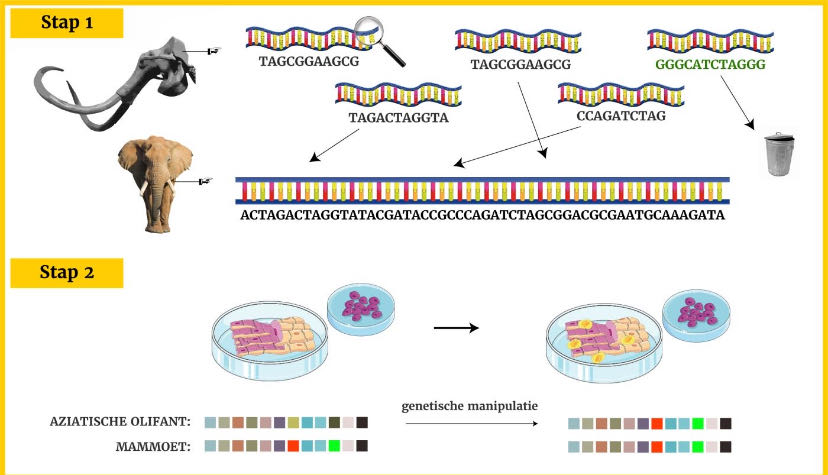
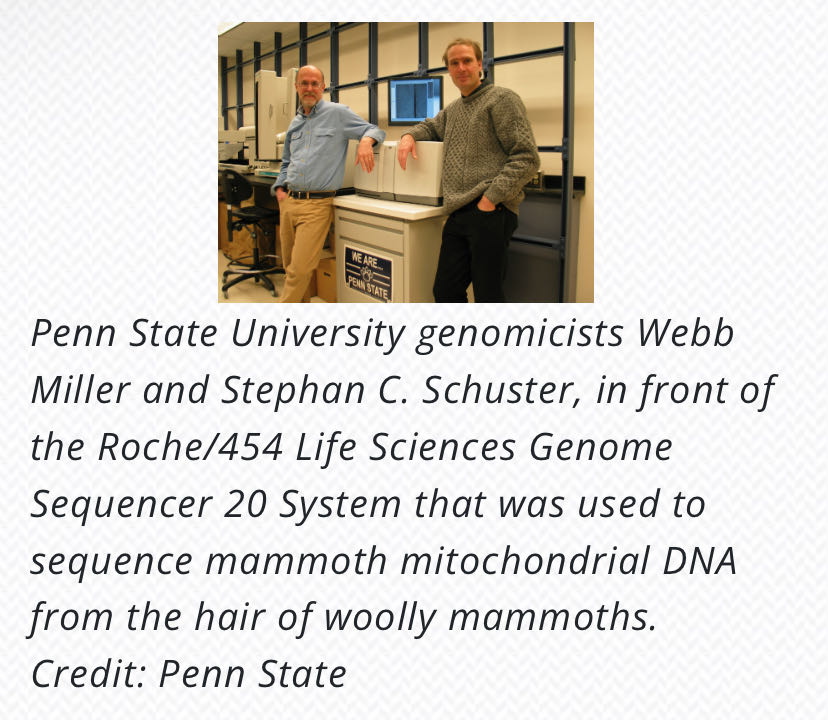
Woolly Mammoths are especially important to scientists because portions of their DNA have survived.
Today, scientists can:
* Sequence DNA
* Edit genes
* Grow cells in laboratories
* Use cloning-related technologies
However, DNA alone is not enough to recreate an animal.
Scientists also need:
* Sufficient genetic information
* Living cells
* A viable embryo development system
* A suitable womb or artificial gestation environment
⸻
Efforts to Bring Back the Mammoth
Today, several research institutions and biotechnology companies are working on creating mammoth-like animals.
Their goals include producing elephants with:
* Thick fur
* Cold resistance
* Increased fat storage
* Other mammoth-like traits
The first animals produced through these efforts will likely not be 100% true Woolly Mammoths. Instead, they may be hybrids containing both mammoth and Asian elephant genes.
⸻
Will the Woolly Mammoth Return?
According to current scientific understanding:
* Mammoth-like animals may be created in the future.
* Recreating an exact original Woolly Mammoth remains extremely challenging.
* Mammoth-inspired or mammoth-like animals could potentially appear within the coming decades.
⸻
Conclusion
The Woolly Mammoth was one of the most remarkable animals of the Ice Age. With its massive size, thick coat of fur, and impressive tusks, it successfully survived in some of the harshest environments on Earth. However, climate change, human hunting, and declining genetic diversity eventually led to its extinction.
Today, the frozen remains and preserved DNA of Woolly Mammoths provide scientists with a unique opportunity to study the past and explore the possibility of de-extinction. While bringing back a true Woolly Mammoth remains a scientific challenge, ongoing research may one day create animals that closely resemble this legendary giant of the Ice Age.
The story of the Woolly Mammoth serves as both a lesson about extinction and a fascinating example of how modern science is pushing the boundaries of what may be possible in the future.


Comments
No comments yet.