

Ownmates Post

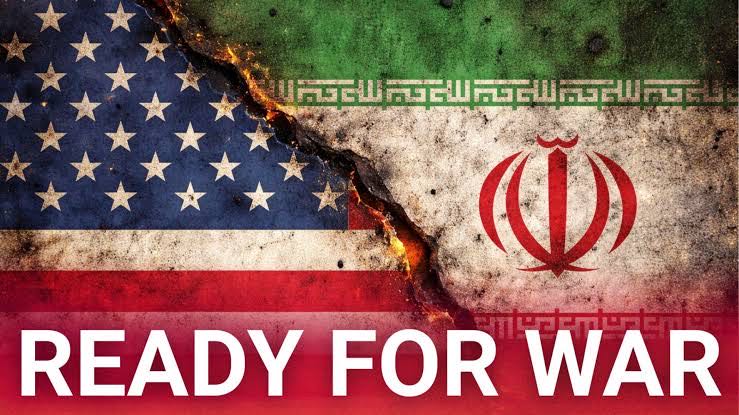
Iran–US tensions: a simple timeline to understand how this conflict developed over decades rather than happening suddenly.
1953 → Beginning
* The United States and Britain supported a coup that removed Iran’s Prime Minister Mohammad Mossadegh.
* After this event, deep distrust toward the US grew in Iran.
1957–1970 → Nuclear cooperation
* Interestingly, the United States initially helped Iran with civilian nuclear technology and reactor support.
1979 → Iranian Revolution
* The Shah’s government fell.
* A new Islamic government came to power, and the US embassy hostage crisis took place.
* This marked a major breakdown in relations between the two countries.
1980s → Period of strong hostility
* During the Iran–Iraq War, tensions increased further.
* The US and Iran increasingly viewed each other as regional threats.
2000s → Nuclear issue becomes bigger
* The United States suspected that Iran might be developing nuclear weapons.
* Sanctions began to be imposed.
Examples of sanctions:
* “We will stop trading with your country.”
* “We will restrict your banking transactions.”
* “We will freeze the assets of your leaders.”
* “Our companies will not do business in your country.”
2015 → Nuclear deal
* Iran agreed to limits on its nuclear program in exchange for relief from sanctions.
2018 → US withdraws from the deal
* The United States left the agreement and reimposed sanctions.
* Tensions increased again.
Recent years → Continuing tensions and negotiations
* Military incidents, nuclear concerns, and regional power struggles have continued to create tensions, while efforts at negotiation have also continued.
In one line:
Oil → 1953 coup → Revolution → Nuclear issue → Sanctions → Regional power rivalry = the chain behind Iran–US tensions.


Comments
No comments yet.