

Ownmates Post
Silk Road: The Rise, Protection, Decline, and Legacy of the Ancient Trade Network
Introduction
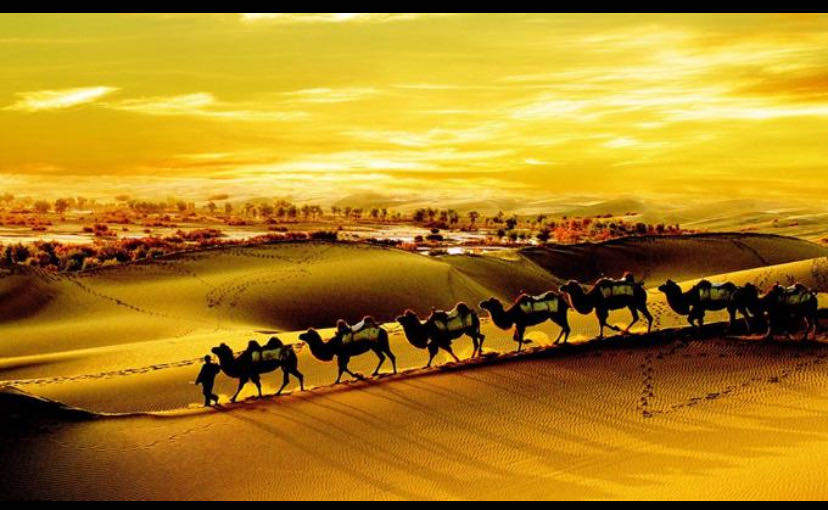
The Silk Road, also known as the Silk Route, was not a single road but a vast network of trade routes that connected East Asia, Central Asia, South Asia, the Middle East, and Europe. For centuries, it served as one of history’s most important systems for trade, cultural exchange, religion, technology, and diplomacy.
The name “Silk Road” comes from the valuable silk that traveled from China to western markets, but the network transported much more than silk. Traders exchanged spices, horses, metals, paper, religion, scientific ideas, languages, and cultural traditions.
Origins and Development
The Silk Road began developing around the 2nd century BCE during the Han Dynasty in China. As Chinese rulers expanded westward, trade routes became safer and more organized.
Over time, multiple branches emerged across deserts, mountains, and cities, creating a network rather than one fixed road.
These routes passed through:
* China
* Central Asia
* India
* Persia
* Middle East
* Europe
Because the routes crossed many regions, merchants often traveled in stages rather than completing the entire journey themselves.
Empires That Protected the Silk Road
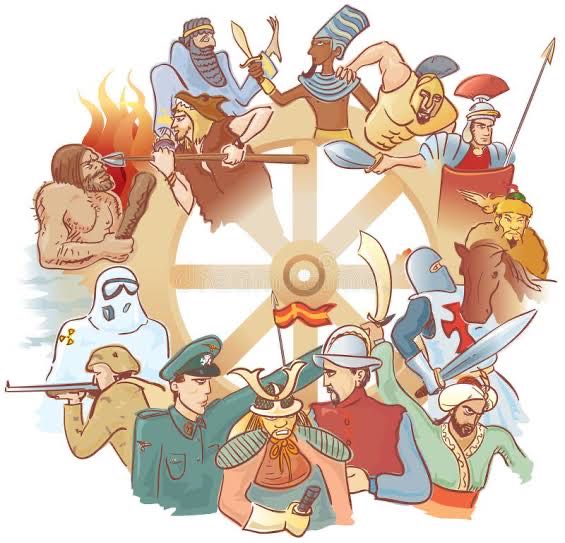
No single empire controlled the Silk Road permanently. Different empires protected different sections at different times.
Han Dynasty
The Han rulers expanded westward and helped establish early Silk Road connections.
Kushan Empire
The Kushans connected India, Central Asia, and Afghanistan, making trade easier between eastern and western regions.
Parthian Empire
The Parthians acted as intermediaries between eastern and western markets and benefited greatly from trade taxes.
Roman Empire
Romans became major buyers of eastern luxury goods and helped create strong demand.
Tang Dynasty
Under Tang rule, trade and cultural exchange flourished.
Mongol Empire and Pax Mongolica
The Mongol Empire created one of the largest connected territories in history. During this period, often called Pax Mongolica, merchants traveled more safely across vast regions.
Trade Beyond Goods
The Silk Road transported more than products.
Ideas and innovations spread through trade networks:
* Buddhism moved from India toward East Asia
* Scientific knowledge spread between civilizations
* Paper-making technology traveled westward
* Languages and cultures mixed across regions
* Artistic styles influenced distant societies
This cultural exchange shaped global civilization.
Why Did the Silk Road Decline?
The Silk Road did not collapse suddenly. Multiple factors contributed to its gradual decline.
1. Rise of Maritime Trade
European exploration during the Age of Discovery created new sea routes.
Sea trade offered:
* Larger cargo capacity
* Lower transport costs
* Faster movement of goods
* Reduced dependence on difficult land routes
2. Political Instability
Wars, invasions, and changing borders made travel dangerous.
3. Collapse of Major Empires
As powerful empires weakened, route security decreased.
4. Taxes and Restrictions
Merchants faced multiple tolls, taxes, and political barriers.
5. Changing Trade Priorities
Direct maritime links shifted global commerce away from land-based trade.
Was There an Official Closure?
There was no official closing date.
Historians generally view the decline as gradual:
* Maritime trade expanded in the 1400s–1500s
* The fall of Constantinople in 1453 affected trade patterns
* By the 15th–16th centuries, sea routes had reduced the importance of overland trade
Therefore, the Silk Road slowly lost influence rather than ending suddenly.
What Does the Silk Road Look Like Today?
Today, the old Silk Road survives in fragments.
Modern remnants include:
* Highways and roads
* Railway corridors
* Border crossings
* Historic cities
* Archaeological sites
* Tourism routes
Many former Silk Road cities remain important cultural centers.
Examples include:
* Samarkand
* Bukhara
* Ancient caravan routes in Central Asia
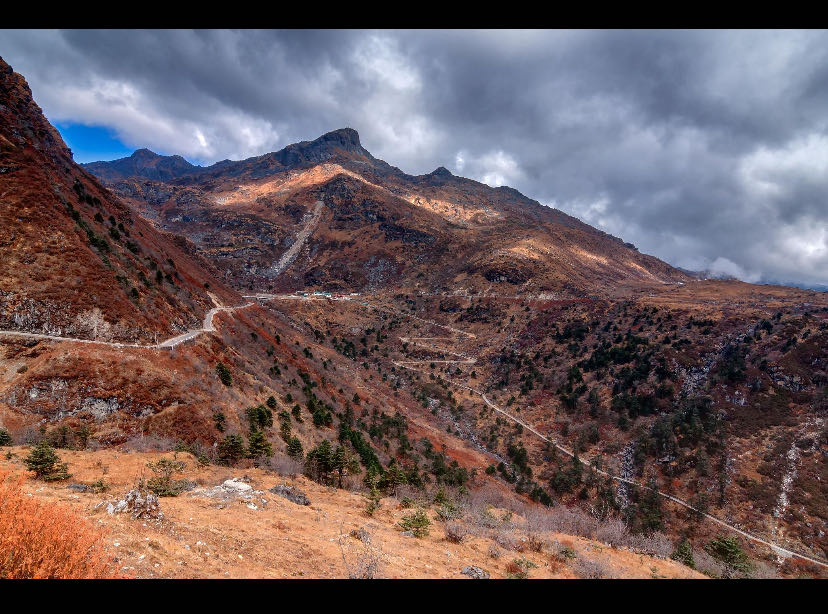
* Modern mountain highways through historical trade regions
Legacy of the Silk Road
The Silk Road changed world history.
Its legacy includes:
* Global trade systems
* Cultural globalization
* Religious expansion
* Technological exchange
* Economic integration across continents
Rather than disappearing completely, the Silk Road evolved into modern transportation and trade networks.
Conclusion
The Silk Road was not simply a trade route—it was one of humanity’s greatest systems of connection. Protected by powerful empires, shaped by merchants and travelers, and transformed by changing technologies, it connected civilizations for centuries and continues to influence globa
rade and culture today.


Comments
No comments yet.