

Ownmates Post

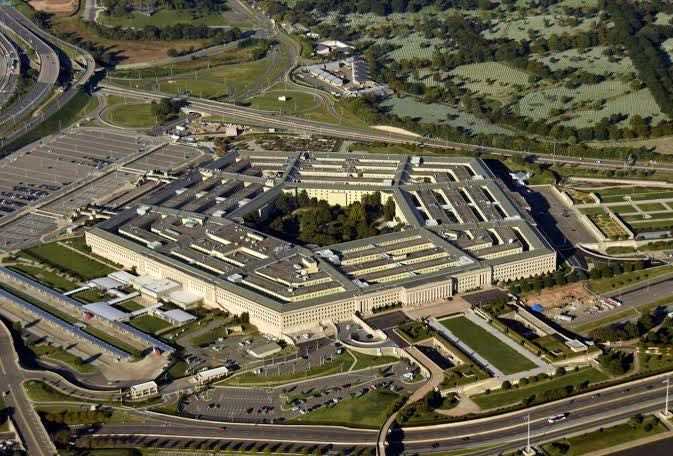
Pentagon, Cybersecurity, and Social Media Monitoring in the Modern World
In today’s interconnected world, warfare and national security extend far beyond traditional battlefields. Modern conflicts increasingly occur in cyberspace through digital networks, intelligence systems, and online platforms. Terms like the Pentagon, cybersecurity, and social media monitoring are central to understanding how governments, organizations, and individuals navigate security in the digital age.
The Pentagon: Center of U.S. Defense Strategy
The Pentagon serves as the headquarters of the United States Department of Defense and is one of the world’s most significant military institutions. Beyond being an iconic building, it functions as the command center for military operations, defense strategy, intelligence coordination, and national security planning.
Primary responsibilities include:
* Coordinating the U.S. Army, Navy, Air Force, Marine Corps, and Space Force
* Developing national defense policies
* Managing military operations worldwide
* Overseeing intelligence systems and logistics
* Leading cyber defense and cyber warfare initiatives
Understanding Cybersecurity
Cybersecurity refers to the protection of digital systems—including computers, servers, networks, mobile devices, and data—from cyber threats such as hacking, theft, disruption, or destruction.
As digital technology becomes essential to everyday life, cybersecurity is critical for governments, businesses, and individuals.
Key areas of cybersecurity include:
* Network Security: Protecting systems from unauthorized access and cyberattacks
* Information Security: Safeguarding sensitive data such as financial, personal, or military information
* Application Security: Securing software and applications from vulnerabilities
* Cloud Security: Protecting online storage and cloud-based systems
* Critical Infrastructure Security: Defending systems that power essential services like healthcare, banking, energy, and transportation
The Pentagon’s Expanding Cyber Role
Military power today depends not only on physical force but also on digital dominance. Cyberattacks can disrupt infrastructure, steal intelligence, manipulate information, and weaken national defense.
For this reason, the Pentagon invests heavily in cybersecurity through institutions such as U.S. Cyber Command and the National Security Agency (NSA).
Pentagon cyber priorities include:
* Defending military communication systems
* Protecting satellites and strategic networks
* Preventing cyber espionage
* Monitoring foreign cyber threats
* Conducting authorized cyber operations
Cyber Warfare: Conflict in the Digital Domain
Cyber warfare involves politically or militarily motivated digital attacks against nations, institutions, or organizations.
Examples include:
* Hacking government systems
* Disrupting electrical grids
* Election interference
* Financial system attacks
* Military communications sabotage
Common cyber weapons include:
* Malware
* Ransomware
* Phishing schemes
* Distributed Denial of Service (DDoS) attacks
* Zero-day vulnerabilities
Social Media Monitoring and Security
Social media monitoring is the process of analyzing public online activity across platforms such as Facebook, Instagram, YouTube, and X.
Governments, businesses, and law enforcement agencies use this data for a variety of purposes.
Uses include:
* Threat detection and counterterrorism
* Monitoring misinformation and propaganda
* Brand reputation management
* Consumer behavior analysis
* Fraud and criminal investigations
Technologies involved:
* Artificial intelligence (AI)
* Machine learning
* Sentiment analysis
* Bot detection
* Pattern recognition
Public vs. Private Data
A key distinction exists between publicly available social media content and private communications.
* Public posts are generally easier to monitor due to open access
* Private messages are usually subject to stricter legal protections, oversight, and warrants depending on jurisdiction
Risks and Ethical Challenges
Although these technologies improve security, they also raise serious concerns.
Privacy concerns:
* Excessive surveillance
* Data misuse
* Personal profiling
Information concerns:
* Fake news
* Disinformation campaigns
* Deepfakes
* Political manipulation
Security concerns:
* Radicalization
* Online scams
* Coordinated cybercrime
Impact on Everyday Life
Even individuals outside politics or defense are affected by digital surveillance and cybersecurity systems.
Examples include:
* Personalized advertising
* Spam filtering
* Fraud detection
* Content moderation
* Security alerts
Personal Cybersecurity Measures
To reduce digital risks, individuals should:
* Use strong, unique passwords
* Enable two-factor authentication
* Avoid suspicious links
* Update software regularly
* Review privacy settings
* Limit personal information shared online
Growing Career Opportunities
Cybersecurity is one of the fastest-growing global industries.
Career paths include:
* Ethical Hacker
* Security Analyst
* Threat Intelligence Specialist
* Digital Forensics Investigator
* Security Engineer
* Government Cyber Defense Specialist
Final Notice
The Pentagon, cybersecurity systems, and social media monitoring together form essential pillars of modern security. They help nations defend themselves, protect digital infrastructure, and monitor emerging threats. At the same time, they present major challenges related to privacy, civil liberties, and ethical governance.
As the digital world continues to expand, cybersecurity is no longer solely a government or military issue—it is a personal responsibility. Understanding digital security today is as important as understanding physical security, making awareness and responsible online behavior vital for everyone.


Comments
No comments yet.