

Ownmates Post

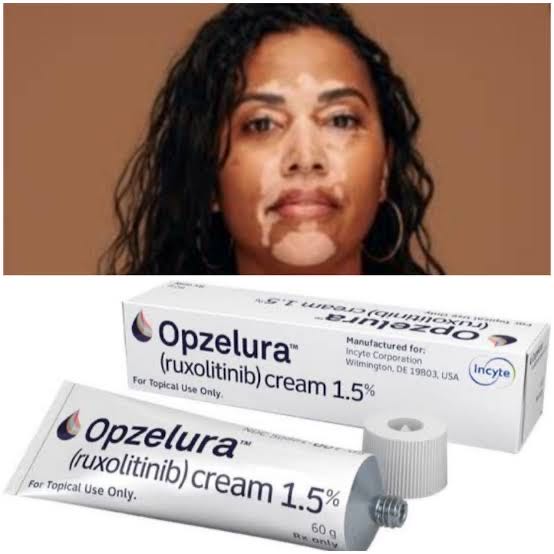
Vitiligo: Causes, Treatment, and Is There a Permanent Cure?
Vitiligo is a skin condition in which areas of the skin lose their normal color. This happens when melanocytes, the cells responsible for producing the pigment melanin, are destroyed or stop functioning properly. As a result, white or lighter patches can develop on the skin.
Why Does Vitiligo Occur?
There is no single cause of vitiligo. Several factors may contribute to its development:
* Autoimmune reaction: The immune system mistakenly attacks melanocytes. This is considered one of the most important mechanisms involved in vitiligo.
* Genetic predisposition: People with a family history of vitiligo may have a higher risk of developing it.
* Oxidative stress: Melanocytes can be particularly vulnerable to oxidative stress, which may contribute to their damage.
* Skin injury or burns: In some people, new patches may appear at sites of cuts, burns, repeated friction, or other skin trauma. This is known as the Koebner phenomenon.
* Stress: Significant physical or psychological stress may trigger or worsen vitiligo in some individuals, although stress is not considered the sole cause.
Vitiligo is not contagious. It cannot be transmitted by touching, hugging, sharing food, or living with someone who has the condition. It is also not caused by eating milk, okra, fish, or particular foods together.
Is There a Permanent Cure for Vitiligo?
At present, there is no guaranteed permanent cure for vitiligo that works for everyone. However, modern treatments can restore skin color in many people and may help control the progression of the disease.
Main Treatment Options
1. Narrow-Band UVB Phototherapy
This is one of the main treatments for widespread vitiligo. Controlled UVB light stimulates repigmentation and is often used over several months.
2. Ruxolitinib Cream
Ruxolitinib is a topical treatment used for certain patients with non-segmental vitiligo. Repigmentation usually takes time, and treatment suitability should be determined by a dermatologist.
3. Tacrolimus, Pimecrolimus, or Corticosteroid Creams
These topical treatments may be prescribed for localized vitiligo. Corticosteroids should not be used for long periods without medical supervision because they can cause skin-related side effects.
4. Melanocyte or Skin-Cell Transplantation
For people whose vitiligo has remained stable and who have not responded adequately to other treatments, surgical techniques—including melanocyte transplantation—may be considered. These procedures are generally not appropriate when vitiligo is actively spreading.
Can Diet or Supplements Increase Melanin and Cure Vitiligo?
There is no specific food, vitamin, supplement, or “melanin-boosting” cream proven to permanently cure vitiligo.
A balanced diet is still important for overall health, but treating vitiligo requires proper diagnosis and, when necessary, medical treatment.
The Most Important Step
Not every white patch on the skin is vitiligo. Conditions such as fungal infections, post-inflammatory hypopigmentation, and other skin disorders can also cause lighter patches.
Therefore, a dermatologist should confirm the diagnosis before starting treatment. Once the diagnosis is confirmed, the most appropriate option—such as topical medication, phototherapy, or another treatment—can be selected based on the location, extent, and activity of the vitiligo.


Comments
it's not easy to remove it. if this works. sounds good 😊
possible nahi hai
Koi cream nahi ayega kaam