

Ownmates Post

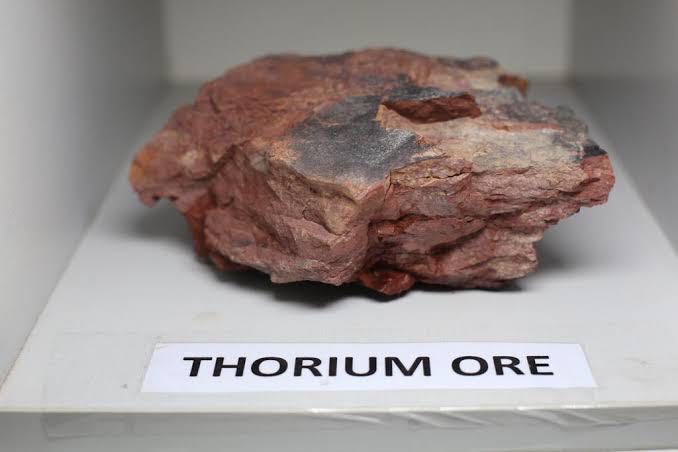
Here is a polished, article-style version of your content:
Thorium: The Promising Fuel for the Future of Nuclear Energy
What is Thorium?
Thorium (Th) is a naturally occurring radioactive metal with the atomic number 90. It belongs to the actinide series of elements and is named after Thor, the Norse god of thunder. Discovered by Swedish chemist Jöns Jacob Berzelius in 1828, thorium has attracted global attention because of its potential to become an important fuel for future nuclear power generation.
Key Facts
* Symbol: Th
* Atomic Number: 90
* Category: Actinide metal
* Appearance: Silvery-white metal that gradually turns gray when exposed to air
* Discovered: 1828 by Jöns Jacob Berzelius
Where is Thorium Found?
Thorium occurs naturally in minerals such as monazite and thorite. It is found in several countries around the world, including:
* India
* Australia
* Brazil
* United States
* Norway
India possesses some of the world’s largest thorium reserves, especially in monazite-rich beach sands along parts of its southern and eastern coastlines. These reserves make thorium an important part of India’s long-term nuclear energy strategy.
Uses of Thorium
Although thorium is not widely used as a commercial nuclear fuel today, it has several important applications:
* Fuel for advanced nuclear reactors.
* Production of uranium-233 (U-233) inside nuclear reactors.
* Scientific and nuclear research.
* Historically used in gas lamp mantles, though this application has largely been discontinued.
* Potential energy source for ships and submarines using future thorium reactors.
* Power generation for industries and desalination plants.
* Possible role in clean hydrogen production.
Why is Thorium Considered a Promising Nuclear Fuel?
Thorium offers several advantages over conventional uranium fuel:
* It is more abundant in the Earth’s crust than uranium.
* Some reactor designs may generate less long-lived radioactive waste.
* Thorium-232 can be converted into uranium-233, a fissile material capable of sustaining a nuclear chain reaction.
* It has the potential to improve long-term fuel availability for nuclear power.
However, thorium itself is not directly fissile. It must first be converted into uranium-233 inside a specially designed nuclear reactor before it can efficiently produce energy.
Can Thorium Be Used to Make Nuclear Weapons?
Thorium cannot be used directly to make a nuclear weapon. It first needs to undergo nuclear reactions inside a reactor to produce uranium-233. While uranium-233 can theoretically be used in nuclear weapons, doing so requires highly advanced technology, specialized facilities, and strict nuclear controls. As a result, thorium is primarily viewed as a potential source of clean and reliable energy rather than as a weapons material.
Is Thorium Dangerous?
Thorium is radioactive and emits primarily alpha radiation. When handled properly, it presents relatively low external radiation risk. However, inhaling or ingesting thorium-containing dust can be harmful because alpha-emitting materials inside the body can damage living tissues. Proper safety procedures are therefore essential when working with thorium.
The Future of Thorium
Many countries, including India, continue to invest in research on thorium-based nuclear technology. Although commercial thorium reactors are still limited, scientists believe thorium could become an important source of low-carbon electricity in the future. With its abundant reserves and potential advantages, thorium may play a significant role in meeting the world’s growing energy needs while reducing greenhouse gas emissions.


Comments
No comments yet.