

Ownmates Post

नीचे आपके दिए गए विषय पर एक फीचर-शैली का लेख है।
The Dentist Chasing the Impossible: How Dr. Katsu Takahashi Is Trying to Help Humans Grow New Teeth
Osaka, Japan — For generations, dentistry has followed the same basic rule: once a permanent tooth is lost, it does not grow back. Dentists can repair, replace, or restore teeth with fillings, crowns, bridges, dentures, and implants—but they cannot make the human body produce a brand-new natural tooth.
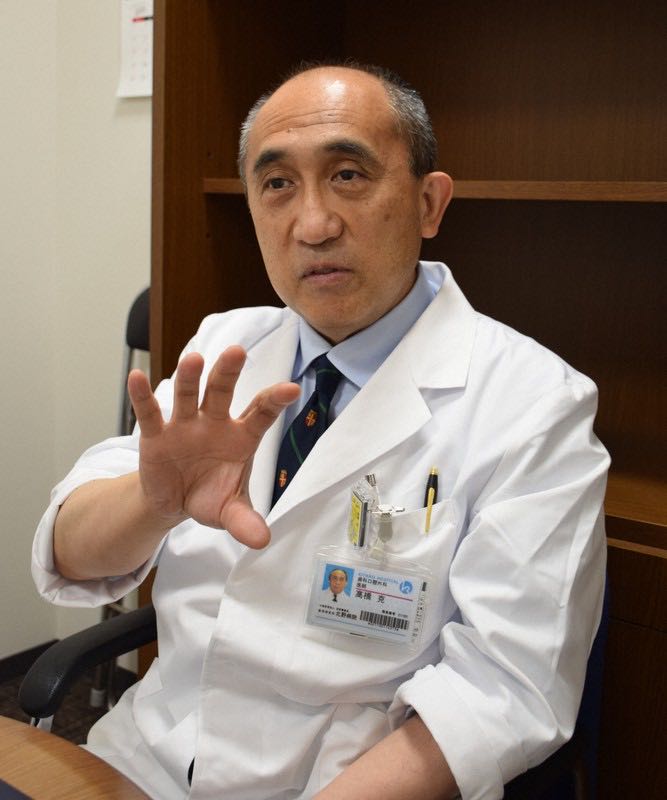
Dr. Katsu Takahashi, Head of the Department of Dentistry and Oral Surgery at the Medical Research Institute Kitano Hospital in Osaka, hopes to change that.
In collaboration with researchers and the biotechnology company Toregem Biopharma, Dr. Takahashi has helped advance one of the world’s most ambitious dental research programs: a therapy that aims to stimulate the body’s own ability to develop new teeth by targeting a protein known as USAG-1.
A New Idea in Dentistry
Unlike conventional dental treatments that replace missing teeth with artificial materials, this experimental approach focuses on activating natural biological pathways involved in tooth development.
Scientists discovered that the USAG-1 protein plays a role in suppressing tooth formation. By blocking this protein with a specially designed antibody, researchers hope to encourage dormant tooth-forming signals to become active again.
If the approach ultimately proves safe and effective in humans, it could represent a fundamental shift in dentistry—from replacing teeth to regenerating them.
From Laboratory Success to Human Trials
The scientific journey has taken years of research.
Experiments in animals, including mice and ferrets, demonstrated encouraging signs of additional tooth growth after inhibition of USAG-1. These findings provided the foundation for moving into carefully monitored human clinical trials.
Human studies in Japan are designed to evaluate the therapy step by step. Initial clinical trials primarily focus on safety, while later phases will determine whether the treatment can reliably stimulate new tooth formation in patients.
Researchers caution that, although the early science is promising, the therapy remains experimental and has not yet been approved as a standard treatment.
Hope for Patients
The first intended beneficiaries are expected to be people born with congenital tooth agenesis, a rare condition in which permanent teeth never develop.
In the future, researchers hope similar regenerative approaches may also help people who have lost teeth due to disease, injury, or other causes. However, that possibility still requires additional scientific evidence and successful clinical trials.
A Potential Revolution
If successful, tooth regeneration could become one of the most significant breakthroughs in modern dental medicine.
Millions of people worldwide rely on implants, bridges, and dentures after losing permanent teeth. A therapy that enables the body to grow a natural replacement tooth would transform dental care and open an entirely new chapter in regenerative medicine.
For now, patients and scientists alike are watching Japan’s research with great interest.
The road from laboratory discovery to routine clinical treatment is long, demanding, and carefully regulated. But every major medical breakthrough begins with researchers willing to challenge what once seemed impossible.
Dr. Katsu Takahashi’s work represents one of those rare scientific efforts—an attempt not merely to repair nature, but to persuade it to begin again.


Comments
thank you doctor
ये विषय बहुत important है।
It's a new thing experiment.
👍
Artificial tooth is possible but natural teeth growth is not possible after at a certain age.