

Ownmates Post
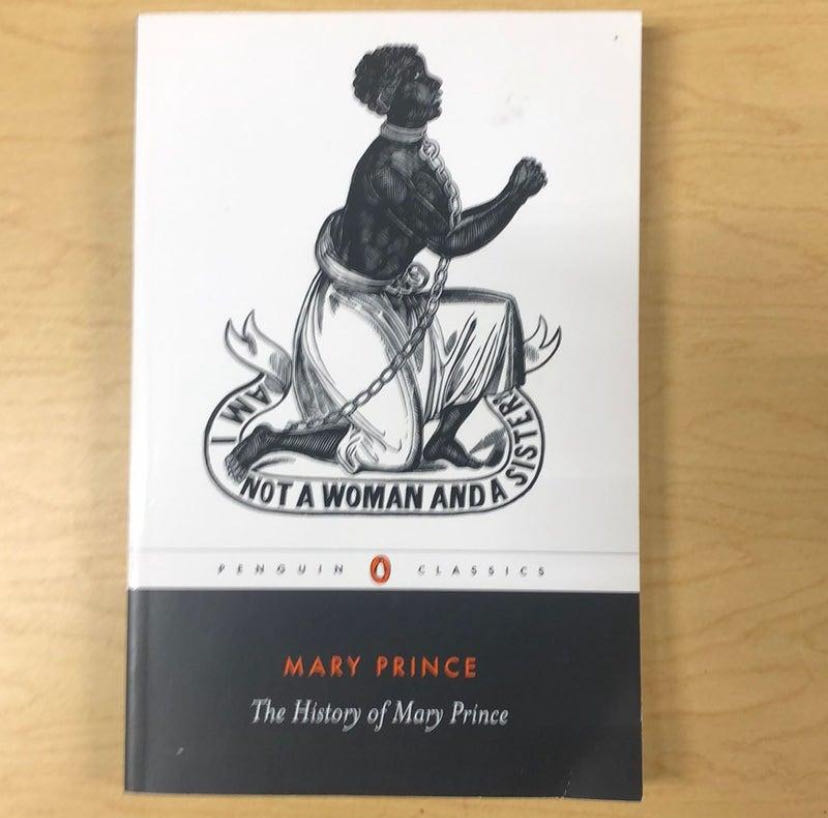
Women’s Slavery: A Historical Overview
Throughout history, millions of women have experienced slavery in different forms. Their lives were shaped not only by forced labor but also by violence, exploitation, and the denial of basic human rights. Although slavery has existed in many civilizations, the experiences of enslaved women were often different from those of men because they faced both economic exploitation and gender-based abuse.
Women in Ancient Slavery
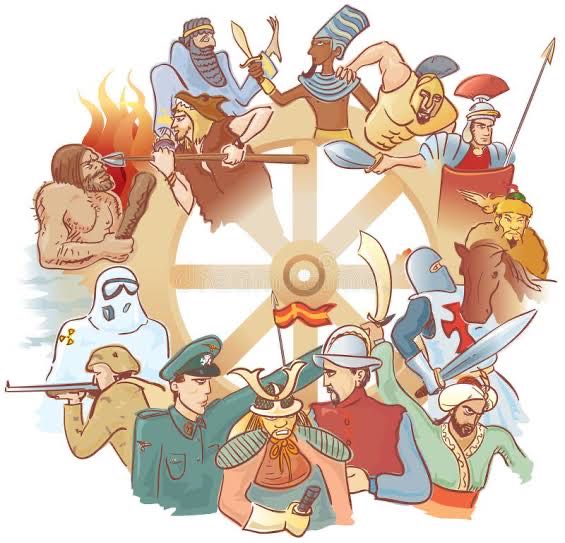
In ancient civilizations such as Egypt, Greece, Rome, and parts of Asia and Africa, women were captured during wars, sold through slave markets, or born into slavery. They worked as domestic servants, agricultural laborers, textile workers, and caregivers. Some were also forced into sexual servitude or concubinage.
The Transatlantic Slave Trade
Between the 16th and 19th centuries, millions of Africans were forcibly transported to the Americas through the transatlantic slave trade. Enslaved women worked on plantations producing cotton, sugar, tobacco, and rice. They also performed household labor and endured harsh living conditions. Many were separated from their children and families, and many suffered sexual violence from enslavers.
Resistance and Survival
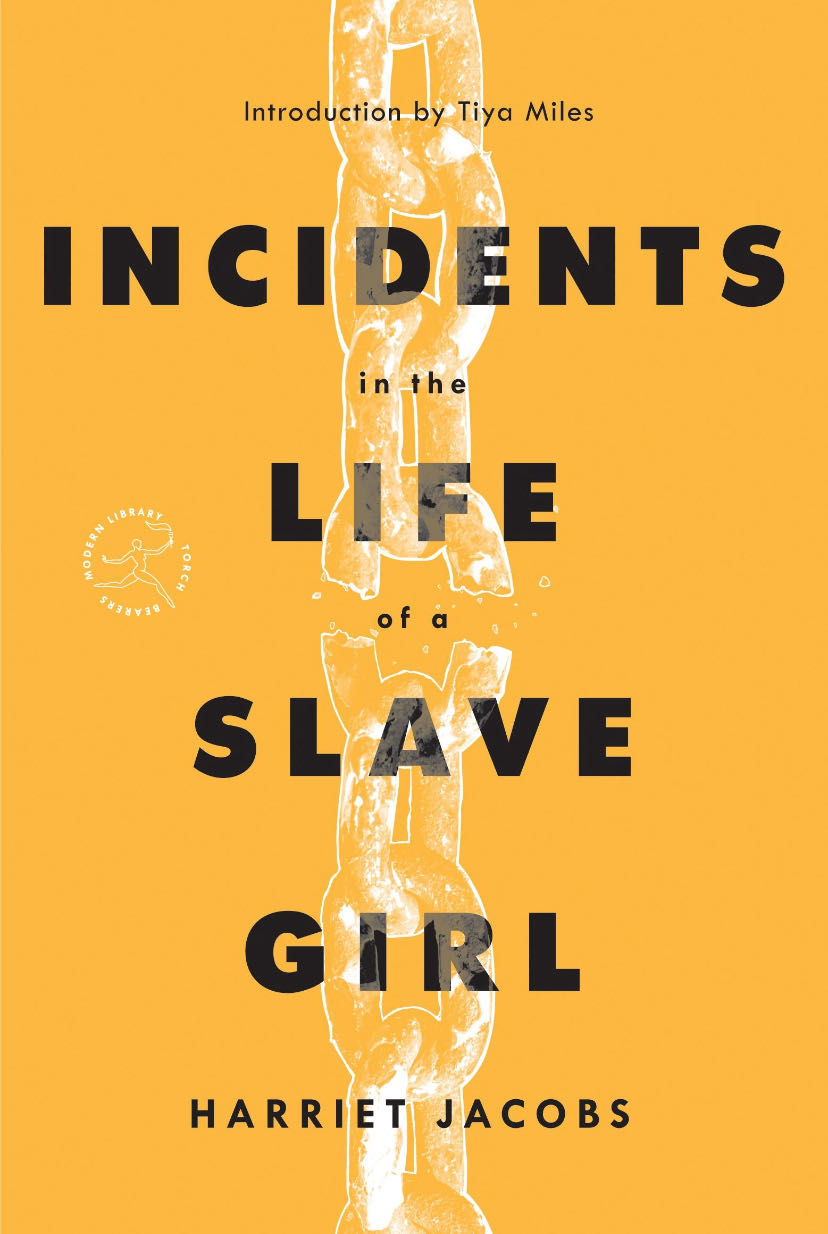
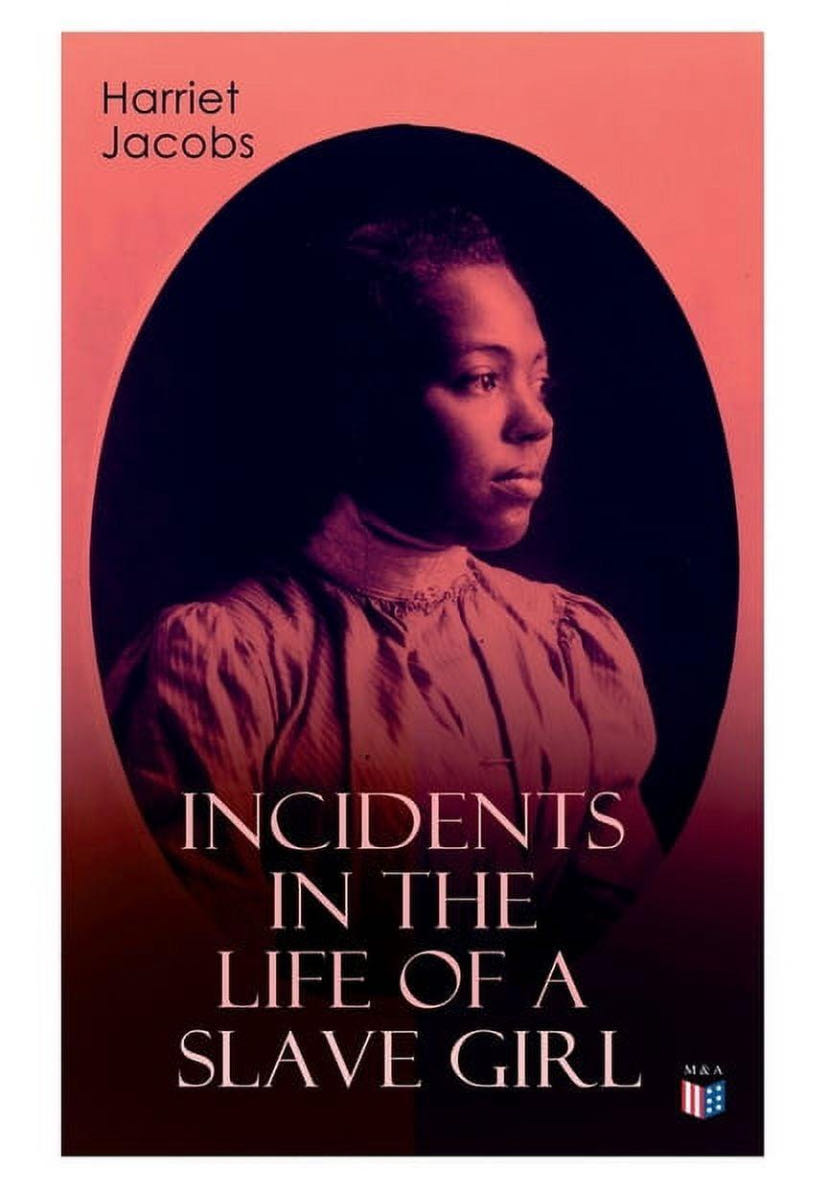
Despite unimaginable hardships, enslaved women resisted in many ways. Some escaped, others preserved their cultures, protected their families, taught their children, or participated in organized resistance movements. Figures such as Harriet Jacobs and Sojourner Truth documented their experiences and became powerful voices against slavery.
Abolition and Its Legacy
During the 18th and 19th centuries, abolitionist movements gained momentum in Europe, the Americas, and other regions. Legal slavery was gradually abolished in many countries. However, the effects of slavery continued to influence societies through economic inequality, racial discrimination, and social injustice.
Modern Forms of Slavery
Although legal slavery has been abolished in nearly every country, modern slavery still exists. Millions of women and girls are affected by human trafficking, forced labor, forced marriage, debt bondage, and sexual exploitation. Governments, international organizations, and civil society groups continue working to combat these crimes and support survivors.
Conclusion
The history of women’s slavery is a story of suffering, resilience, and courage. Understanding this history helps us recognize the importance of protecting human rights, promoting equality, and preventing all forms of modern slavery. Remembering the experiences of enslaved women honors their strength and reinforces the global commitment to freedom and human dignity for everyone.


Comments
No comments yet.