

Ownmates Post

Inbreeding: The Hidden Cost of Close Kin Mating
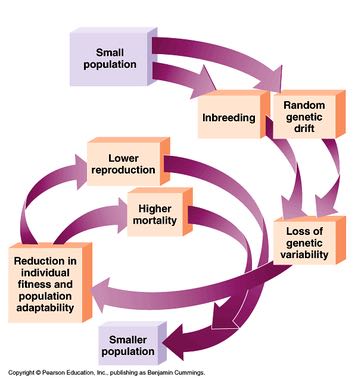
Inbreeding occurs when closely related individuals mate, increasing the chance that offspring inherit identical alleles from a shared ancestor. This elevates homozygosity and the risk of expressing harmful recessive traits.
Genetic Consequences
The key mechanism is inbreeding depression — reduced fitness, including higher infant mortality, birth defects, infertility, and weakened immunity. The inbreeding coefficient (F) quantifies risk: full siblings yield F=0.25; first cousins F=0.0625.
Important line: “Inbreeding does not create new mutations but unmasks existing deleterious recessive alleles that would otherwise remain hidden.”1
Historical Human Cases
The Spanish Habsburg dynasty stands as a textbook example. Generations of cousin and uncle-niece marriages produced the infamous “Habsburg jaw” (mandibular prognathism) and widespread health failures.
Important line: King Charles II, with an inbreeding coefficient near 0.25–0.257 (comparable to sibling offspring), suffered severe deformities, infertility, and died childless in 1700 — extinguishing the line.1214
Ancient Egyptian pharaohs, including Tutankhamun (born of sibling parents), exhibited clubfoot, bone issues, and early death. Isolated groups, like the “Blue Fugates” of Kentucky, showed visible recessive traits such as blue skin due to methemoglobinemia.15
Cases in Wildlife
Endangered species highlight similar risks. Florida panthers suffered heart defects, poor fertility, and low survival from a bottleneck until genetic rescue via outbreeding improved the population. Cheetahs exhibit lasting low genetic diversity and health issues from an ancient bottleneck.2
Important line: “Genetic rescue through introduction of unrelated individuals can rapidly restore vigor, demonstrating the reversible nature of inbreeding depression when diversity returns.”2
Modern Relevance
First-cousin marriages carry roughly double the baseline risk of birth defects (e.g., ~2–3% added risk above the general 2–3% population rate). Larger studies confirm links to developmental delays and health burdens, though socioeconomic factors interact. Many societies maintain taboos or genetic counseling to mitigate risks.19
Key takeaway: While mild inbreeding occurs naturally or culturally, severe or repeated inbreeding reliably erodes population health. Genetic diversity remains essential for long-term survival and resilience across species.
Outbreeding and careful breeding practices (in conservation and agriculture) counter these effects. Understanding inbreeding underscores evolution’s preference for variation.


Comments
No comments yet.