

Ownmates Post
Historical Evidence for the Crucifixion of Jesus Christ
Introduction
Many people ask:
* Did Jesus Christ really live?
* Was He really crucified?
* Is there any historical evidence, or is it only a religious belief?
To answer these questions, we need to look at three things:
1. History
2. Archaeology
3. Christian tradition
⸻
1. Was Jesus a Real Person?
Most modern historians believe that Jesus was a real historical person.
This belief is based not only on the Bible but also on the writings of non-Christian historians.
The two most important are:
* Flavius Josephus (a Jewish historian)
* Tacitus (a Roman historian)
Neither of them was a follower of Jesus.
⸻
2. Who Was Flavius Josephus?
Flavius Josephus was born around 37 AD in Jerusalem.
Jesus is believed to have died around 30–33 AD.
This means Josephus was born a few years after Jesus’ death.
He never met Jesus and never saw Him.
So, Josephus was not an eyewitness.
He wrote using the information and records available during his time.
⸻
3. What Did Josephus Write?
Around 93–94 AD, Josephus wrote a book called Antiquities of the Jews.
He said that:
* Jesus was a wise man.
* He taught many people.
* Pontius Pilate ordered His crucifixion.
* Jesus’ followers continued after His death.
Josephus did not say that Peter was the first Pope.
The idea that Peter was the first Pope comes from the Roman Catholic Church and later Christian tradition, not from Josephus.
Some historians think that a few sentences in Josephus’ text were added later by Christian copyists.
However, most scholars believe that the main reference to Jesus is original.
⸻
4. Where Did Josephus Get His Information?
Josephus never explained where he got his information.
He never wrote:
* “I saw Jesus.”
* “I met someone who saw Jesus.”
Because of this, historians call him a secondary source.
He probably used:
* Old written records
* Jewish religious leaders
* Oral traditions
* Government records
But no one knows for sure.
⸻
5. What Did Tacitus Write?
Tacitus was a Roman historian.
He wrote that:
“Christus (Jesus) was executed by Pontius Pilate during the rule of Emperor Tiberius.”
This is important because Tacitus was not a Christian.
⸻
6. Where Was Jesus Crucified?
According to Christian tradition, Jesus was crucified at Golgotha.
The word Golgotha means “Place of the Skull.”
Its Latin name is Calvary.
It is in Jerusalem.
⸻
7. What Is There Today?
Today, the Church of the Holy Sepulchre stands there.
According to Christian tradition, this is the place where:
* Jesus was crucified.
* Jesus was buried.
* Jesus rose from the dead.
⸻
8. Is This the Exact Place?
No one can prove it with 100% certainty.
However:
* Christians have honored this place since the 4th century.
* Archaeologists found a first-century cemetery there.
This supports the tradition, but it does not prove it completely.
⸻
9. Is There Strong Evidence That Jesus Was Crucified?
Yes.
Most historians agree that Jesus was crucified by the Romans.
However, there are no photographs, videos, or modern scientific evidence because the event happened about 2,000 years ago.
⸻
10. What Evidence Do Historians Use?
Historians compare many different sources, including:
* The New Testament
* Josephus
* Tacitus
* Archaeological discoveries
* Roman historical records
When different independent sources tell the same story, historians consider it stronger historical evidence.
⸻
11. Archaeological Evidence
Archaeologists found:
* A first-century cemetery near the Church of the Holy Sepulchre.
* The Pilate Stone, which has the name of Pontius Pilate.
This proves that Pontius Pilate was a real Roman governor.
It does not prove by itself that he crucified Jesus.
⸻
12. What Language Did Josephus Use?
Josephus wrote most of his books in Koine Greek.
His famous books include:
* Antiquities of the Jews
* The Jewish War
* Against Apion
* Life of Josephus
Ancient Greek copies of these books still exist today.
⸻
13. Did They Have Paper?
Not modern paper.
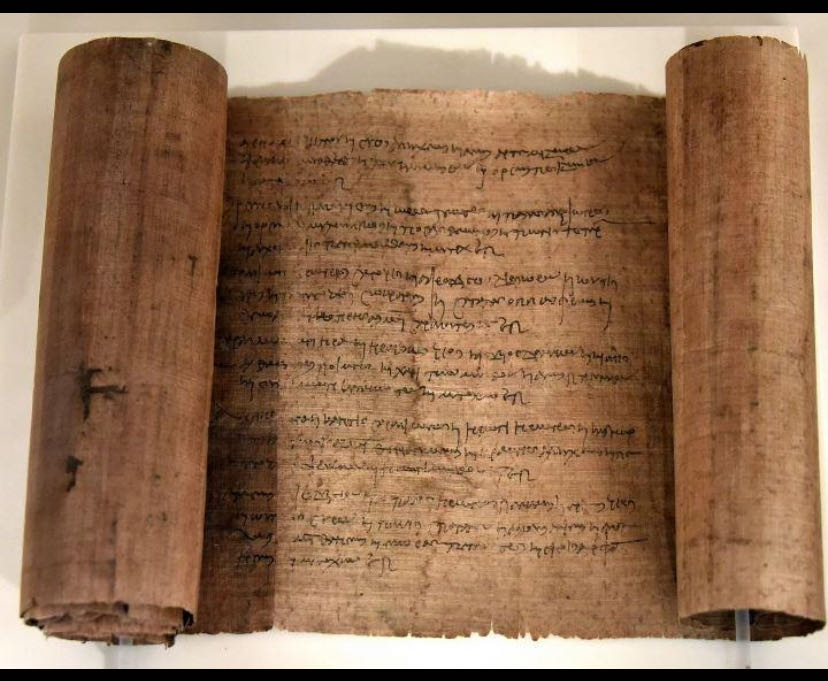
People usually wrote on:
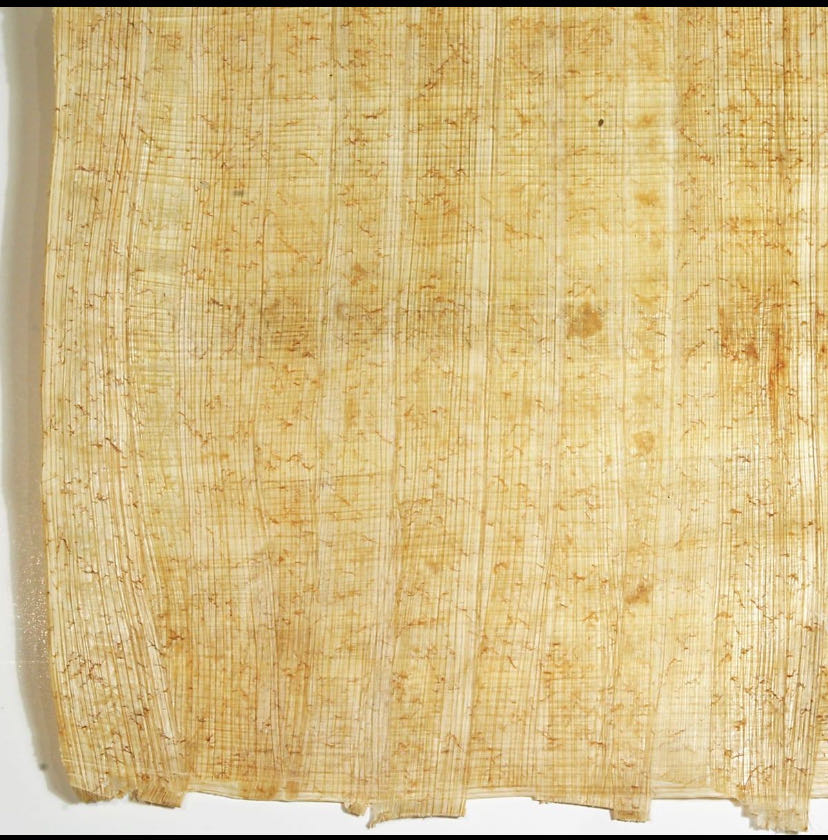
* Papyrus (made from an Egyptian plant)
* Parchment (animal skin)
* Vellum (high-quality parchment)
⸻
14. Why Don’t the Original Manuscripts Exist?
The original writings were lost over time.
Papyrus and parchment can be damaged by:
* Water
* Fire
* Insects
* Weather
The books we have today are handwritten copies made by scribes over many centuries.
⸻
15. Is This Common in Ancient History?
Yes.
The original writings of most ancient Greek and Roman authors no longer exist.
Historians study later copies to learn what the originals said.
⸻
Final Conclusion
Most historians agree on these two points:
* Jesus was a real historical person.
* Jesus was crucified under the Roman governor Pontius Pilate.
However, these beliefs belong to religion, not history:
* Jesus’ Resurrection
* Jesus’ miracles
History cannot prove or disprove these events with certainty.
History studies evidence.
Faith is based on religious belief.


Comments
No comments yet.