

Ownmates Post

❄️ Why Sunlight Doesn’t Melt Ice at the Poles
At first glance, it seems simple: sunlight reaches every part of Earth, so why doesn’t it melt the massive ice sheets at the North and South Poles? The answer lies in a combination of Earth’s shape, its tilt, and unique environmental conditions found in polar regions.
☀️ The Angle of Sunlight Matters
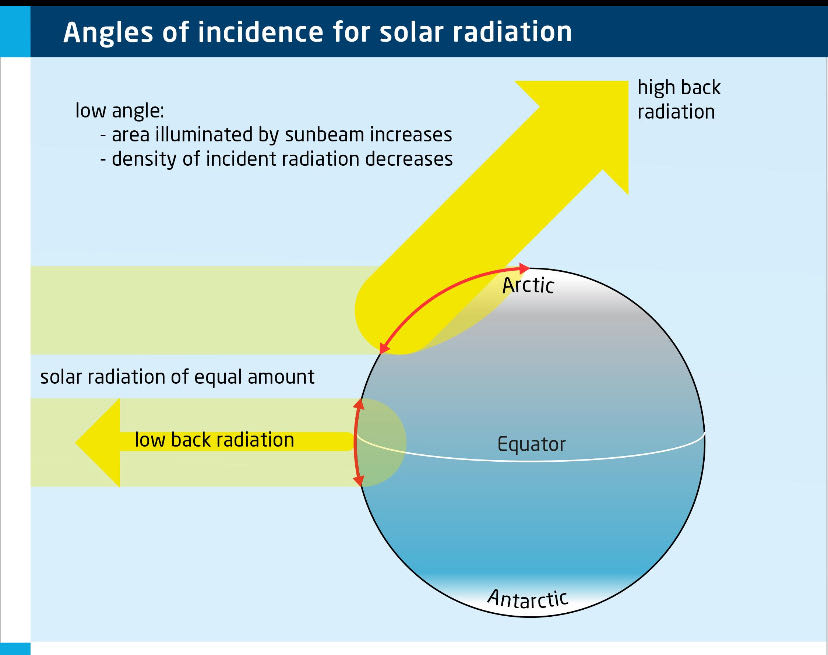
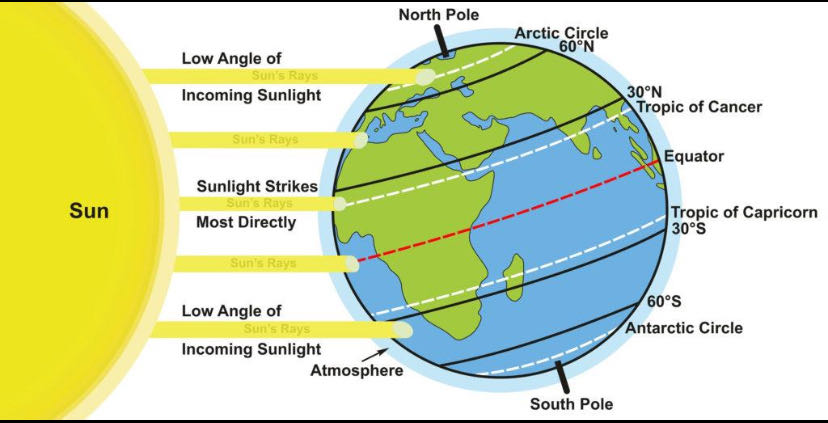
The most important reason is the angle at which sunlight hits the poles. Near the equator, sunlight arrives almost directly overhead, concentrating energy in a smaller area and producing strong heating.
At the poles, however, sunlight arrives at a low, slanted angle. This spreads the same amount of solar energy over a much larger surface, making it far less effective at warming the ground. As a result, even when the Sun is shining, the heat it provides is weak.
🧊 The Albedo Effect: Ice Reflects Heat
Another key factor is something called the albedo effect. Ice and snow are bright white, which means they reflect most of the sunlight that hits them back into space rather than absorbing it.
Because of this:
• Very little solar energy is retained
• The surface remains cold
• Melting is significantly reduced
This reflective property plays a major role in preserving polar ice.
🌙 Long Periods Without Sunlight
Polar regions experience extreme seasonal changes. During winter, the poles can go through months of complete darkness, receiving no sunlight at all.
This long absence of solar energy allows temperatures to drop drastically, freezing any moisture and strengthening existing ice layers.
🌡️ Extremely Low Temperatures
Even during summer, temperatures at the poles often remain well below freezing. In places like Antarctica, temperatures can fall below −50°C, making it nearly impossible for ice to melt significantly.
The cold climate ensures that any small amount of heat received is not enough to overcome the freezing conditions.
🌬️ Thick Ice and Cold Winds
Polar ice sheets are incredibly thick—sometimes extending several kilometers deep. Melting such vast amounts of ice requires enormous energy.
Additionally, strong, cold winds continuously remove heat from the surface, further preventing melting.
⚖️ A Delicate Natural Balance
All these factors—low-angle sunlight, high reflectivity, long dark winters, and extreme cold—work together to maintain a stable icy environment at the poles. This balance has allowed ice to persist for millions of years.
🌍 A Changing Reality
However, this balance is now under threat. Due to global warming, rising temperatures are beginning to melt polar ice at an increasing rate. While sunlight alone may not be strong enough, human-driven climate change is altering the system.
🧠 Conclusion
The reason sunlight doesn’t melt polar ice is not due to its absence, but rather its inefficiency in those regions. Weak, angled sunlight combined with reflective ice and freezing temperatures ensures that the poles remain covered in ice—making them one of the coldest and most unique environments on Earth.


Comments
No comments yet.