

Ownmates Post

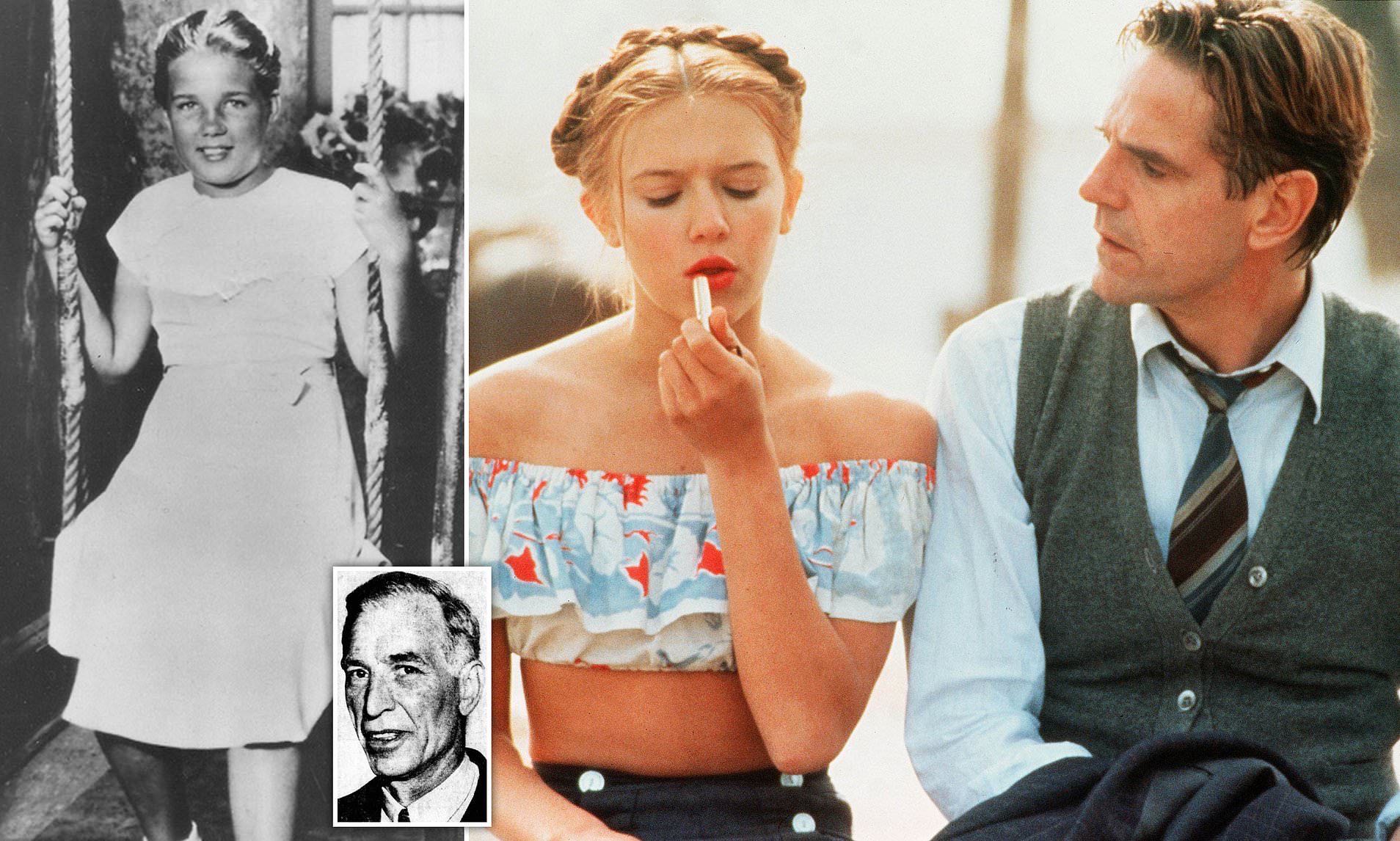
When people ask about the “real Lolita,” they usually mean one of two things:
1) The novel itself (fiction, not a true story)
The book Lolita (1955) by Vladimir Nabokov is not based on a single real case.
• It’s a work of fiction narrated by Humbert Humbert, an unreliable narrator.
• The story explores obsession, manipulation, and self-justification—not romance.
• The character “Lolita” (real name Dolores Haze) is not portrayed from her own perspective, which is important—everything is filtered through Humbert’s distorted mind.
👉 So there is no one “real Lolita” that the book directly copies.
2) Possible real-life inspirations (indirect)
Nabokov denied basing the novel on a specific case, but scholars often point to a few influences:
The Sally Horner case
• Sally Horner was a real 11-year-old girl kidnapped in 1948 by Frank La Salle.
• She was held for nearly two years and taken across the U.S.
• Nabokov briefly references a similar case in Lolita, which suggests he knew about it.
👉 However, he never confirmed this as a direct source—only a possible influence.
Earlier literary idea
• Nabokov mentioned being inspired by a short story about a man obsessed with a young girl, supposedly written by a patient in a mental institution.
• This shows the idea was conceptual and psychological, not tied to one real victim.
⸻
3) Important clarification about the term “Lolita”
Over time, “Lolita” has been misused in popular culture to mean a “seductive young girl,” but:
• That meaning comes from misreading the novel
• In the actual story, the girl is a victim of abuse and manipulation, not a temptress
⸻
Bottom line
• 📖 Lolita is fiction
• 👧 No single “real Lolita” exists
• 🧩 Some real cases (like Sally Horner) may have influenced elements
• ⚠️ The story is often misunderstood—it’s about control, trauma, and unreliable narration
If you want, I can explain the story from Dolores’s perspective (which makes it very different—and much darker).


Comments
No comments yet.