

Ownmates Post
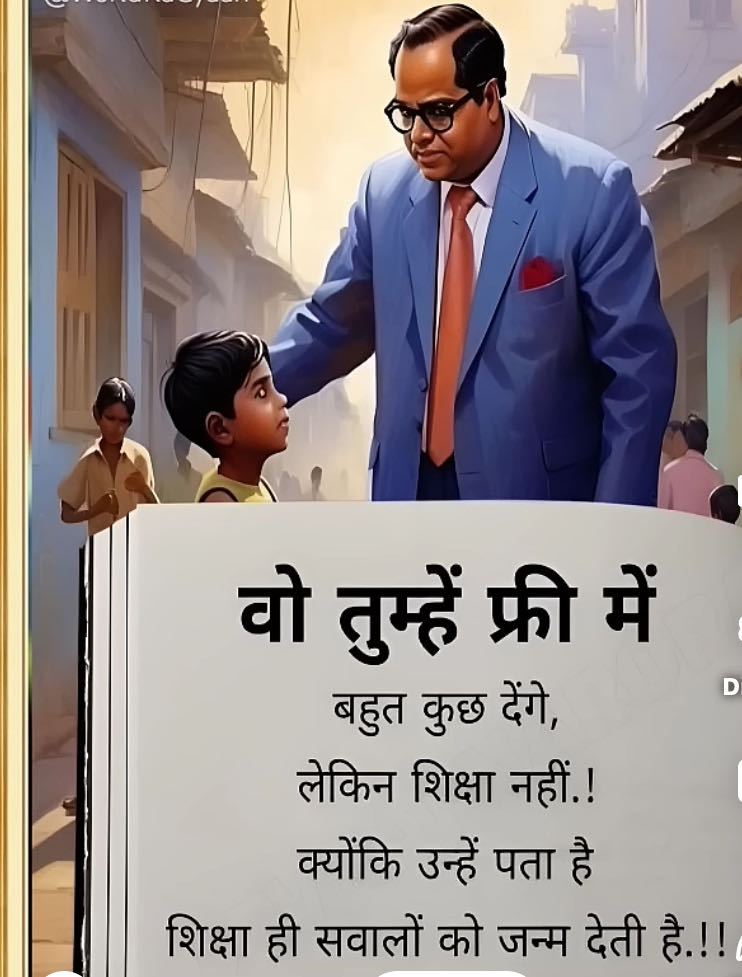
📜 Article 21 – Right to Life and Personal Liberty
✅ Original Text:
“No person shall be deprived of his life or personal liberty except according to procedure established by law.”
🔍 In Simple Words:
Article 21 states that:
• Every person has the right to live with dignity.
• The government cannot take away a person’s life or personal freedom unless it follows a fair and legal procedure.
🛡️ Who is entitled to this right?
• Every person (both Indian citizens and foreigners) is protected under Article 21.
• Through judicial interpretation, this Article has been expanded significantly.
🔑 Expanded Rights under Article 21:
Over time, the judiciary has interpreted Article 21 to include several fundamental rights. Some of these are:
Right Description
🏥 Right to Health The state must provide healthcare services to its citizens.
🏠 Right to Livelihood Includes right to food, water, shelter, sanitation, and a clean environment.
🎓 Right to Education Especially for children aged 6 to 14 years (also under Article 21A).
🔐 Right to Privacy Declared a fundamental right by the Supreme Court in 2017.
⚖️ Right to Fair Trial Everyone has the right to be heard fairly and without bias.
🚫 Protection from Illegal Detention No one can be detained without valid reason or legal backing.
⚖️ Landmark Judgments:
1. Maneka Gandhi vs. Union of India (1978)
• The Supreme Court ruled that “procedure established by law” must be just, fair, and reasonable.
2. K.S. Puttaswamy vs. Union of India (2017)
• The Supreme Court declared the Right to Privacy as a fundamental right under Article 21.
📌 Conclusion:
Article 21 is one of the most vital and expansive fundamental rights in the Indian Constitution.
It protects life, personal liberty, dignity, and human values, making it the cornerstone of human rights in India.


Comments
No comments yet.