

Ownmates Post
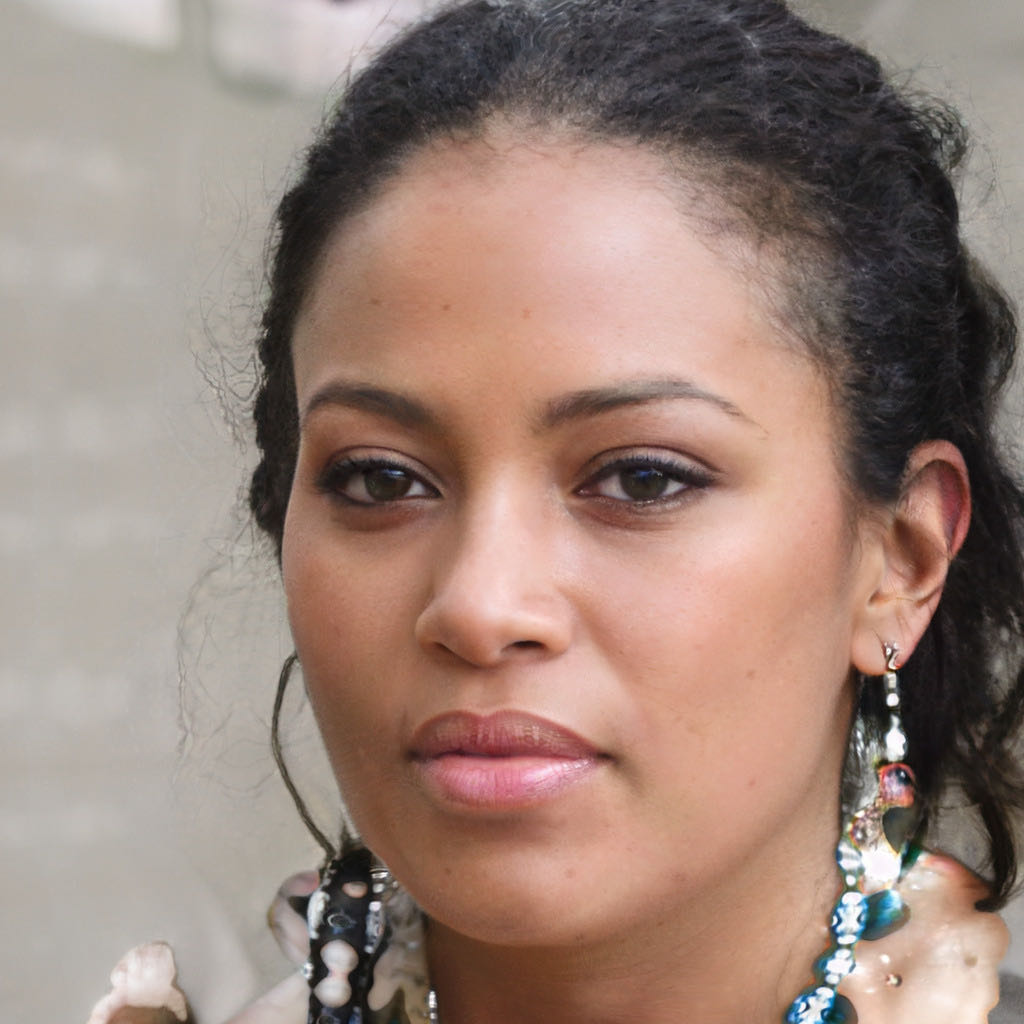
Yazidi genocide and the stories of Yazidi women:
ISIS and the Yazidi Women: The Tragedy and the Survival
In 2014, ISIS (Islamic State) attacked the Sinjar region of Iraq, committing genocide and launching a brutal campaign of enslavement against Yazidi women and girls. These women were treated as “war booty” and sold in slave markets.
🕯️ Where and How Were Yazidi Women Sold?
1. Slave Markets — Key Locations
• ISIS established slave markets mainly in Fallujah, Mosul (Iraq), and Raqqa (Syria) where Yazidi women were sold.
• Prices were controlled by ISIS; sometimes starting from as low as $1 up to $172, and in some cases thousands of dollars depending on the age and appearance.
2. Online Auctions via Telegram
• ISIS used encrypted platforms like Telegram to organize online slave auctions.
• Girls’ profiles, ages, and pictures were shared online and were traded for cash, weapons, or in barter deals.
3. Given as Gifts to Fighters
• On religious occasions like Ramadan or Eid, ISIS distributed Yazidi women to its fighters for free, presenting it as a “gift” or “religious offering.”
⚠️ Horrific Price Lists
ISIS circulated price lists for Yazidi girls based on age:
• 1–9 years: 200,000 Dinars (~$169)
• 10–20 years: 150,000 Dinars (~$127)
• Other age brackets were similarly priced.
📌 Summary of the Atrocities:
• Around 6,417 Yazidis were kidnapped, most of them women and children.
• Approximately 3,585 have been rescued or escaped, including:
• ~1,211 women
• ~1,074 girls
• ~339 men
• ~961 boys
• About 2,600 are still missing and may be held captive or deceased.
🏠 Return to Sinjar:
• Out of 300,000 displaced Yazidis, around 43percent (130,000–150,000) have returned to Sinjar as of April 2024.
• As of November 2023, the Iraqi government reported 1,150 Yazidis returned to Sinjar.
• Over 360 individuals returned from the Mam Rashan Camp in Duhok province (Nov 2024).
✅ Summary Table:
Category Estimated Number
Total abducted (2014) ~6,400
Freed/rescued Yazidis ~3,585
Still missing ~2,600
Total displaced population ~300,000
Returned to Sinjar ~43percent (130k–150k)
Government-declared returnees 1,150 (as of Nov 2023)
Returned from Duhok (Mam Rashan) 360 (as of Nov 2024)
🌍 Conclusion:
• Over half of the abducted Yazidis have been rescued or escaped.
• Around 2,600 are still missing.
• Although 43percent have returned to Sinjar, full rehabilitation and infrastructure rebuilding are incomplete.
👩🦱 Stories of Yazidi Women Who Survived ISIS Captivity
1. Nadia Murad
• Captured in 2014 from Kocho village where 600 men were killed. She was raped and tortured repeatedly before escaping after three months.
• Global Advocate: Filed charges at the ICC, won the Nobel Peace Prize (2018).
• Author of The Last Girl, and founder of the Flesh Initiative for survivor rehabilitation.
2. Lamiya Haji Bashar
• Kidnapped from Kocho, escaped in 2016 after being injured by a landmine.
• Received the Sakharov Prize with Nadia to raise awareness about Yazidi survivors.
3. Wafa Ali Abbas
• Kidnapped at age 9, sold seven times, forbidden from practicing her language or faith.
• Rescued after 8 years from Al-Hol Camp in Syria by the YPJ (Women’s Protection Units).
4. Um Hiba
• Pregnant at the time of capture, she was shot and imprisoned, resulting in a miscarriage.
• Women were transported in buses and sold like commodities.
5. Halima
• Forced to marry an ISIS fighter in Raqqa, endured three years of abuse.
• Her family paid a $6,000 ransom for her release.
6. Lamiya and Nadia (JRS Case Study)
• Through Jesuit Refugee Service (JRS) mental health projects:
• Lamiya started a sewing business.
• Nadia (age 56) overcame PTSD and severe depression through therapy and community service.
7. Dr. Nagham Nawzat Hasan
• A Yazidi doctor and activist providing psychological and physical treatment to Yazidi women.
• Founder of Hope Makers for Women, offering trauma therapy, human rights aid, and medical care.
✨ Final Reflection:
These stories are not merely tales of suffering—they are testimonies of resilience, dignity, and hope.
These women are not just survivors; they are symbols of strength and justice in the face of inhuman cruelty.
https://youtu.be/z31D3Kxcy8M?si=eqoECnKpFXHkn1a7


Comments
No comments yet.