

Ownmates Post

US rejects WHO pandemic changes to global health rules
The United States has rejected amendments adopted in 2024 by members of the World Health Organization to its legally binding health rules aimed at improving preparedness for future pandemics following the disjointed global response to COVID-19.
The Department of State and Department of Health and Human Services said in a statement they had transmitted on Friday the official U.S. rejection of the amendments to the International Health Regulations, which were adopted by consensus last year.
The amendments introduced a new category of
"pandemic emergency" for the most significant and globally threatening health crises in an effort to shore up the world's defenses against new pathogens.
"Developed without adequate public input, these amendments expand the role of the WHO in public health emergencies, create additional authorities for the WHO for shaping pandemic declarations, and promote WHO's ability to facilitate 'equitable access' of health commodities," the U.S. statement said.
"Terminology throughout the 2024 amendments is vague and broad, risking WHO-coordinated international responses that focus on political issues like solidarity, rather than rapid and effective actions," said the
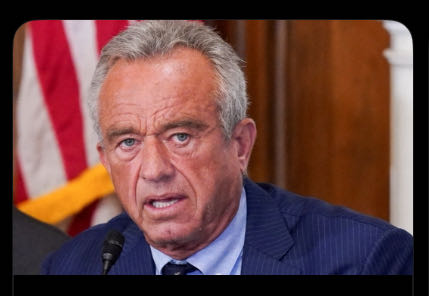
statement, jointly issued by Secretary of State Marco Rubio and Secretary of Health and Human Services Robert F. Kennedy Jr.
Kennedy, who has a long history of sowing doubt about vaccine safety, had slammed the WHO in a video address to the Assembly during its vote on a separate pandemic agreement, saying it had failed to learn from the lessons of the pandemic.
That pact, which was adopted in Geneva in May after three years of negotiations, aims to ensure that drugs, therapeutics and vaccines are globally accessible when the next pandemic hits. It requires participating manufacturers to allocate a target of 20percent of their vaccines, medicines and tests to the WHO during a pandemic to ensure poorer countries have access.
U.S. negotiators left discussions about the accord after President Donald Trump began a 12-month process of withdrawing the U.S. - by far the WHO's largest financial backer - from the agency when he took office in January.
Its exit means the U.S. would not be bound by the pact.
Kennedy and Rubio said on Friday that their rejection protects U.S. sovereignty. The IHR amendments and the parallel pandemic pact leave health policy to national governments and contain nothing that overrides national sovereignty, however.
(This story has been corrected to indicate that the US rejected 2024 amendments to global health rules, not 2025 pandemic agreement, in the headline and in paragraphs 1-3, 6-7, and 9)


Comments
No comments yet.