

Ownmates Post

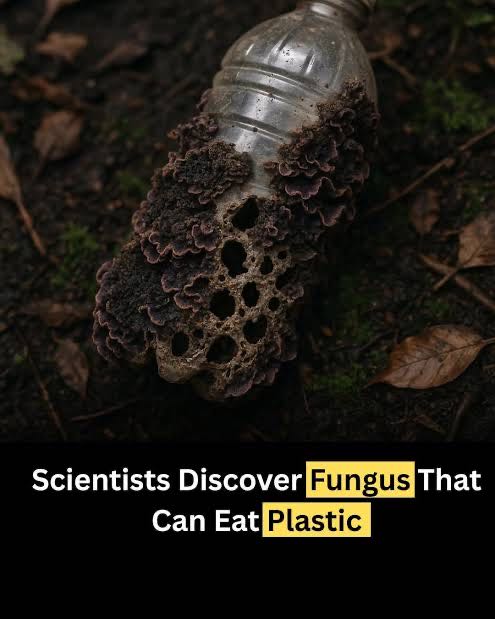
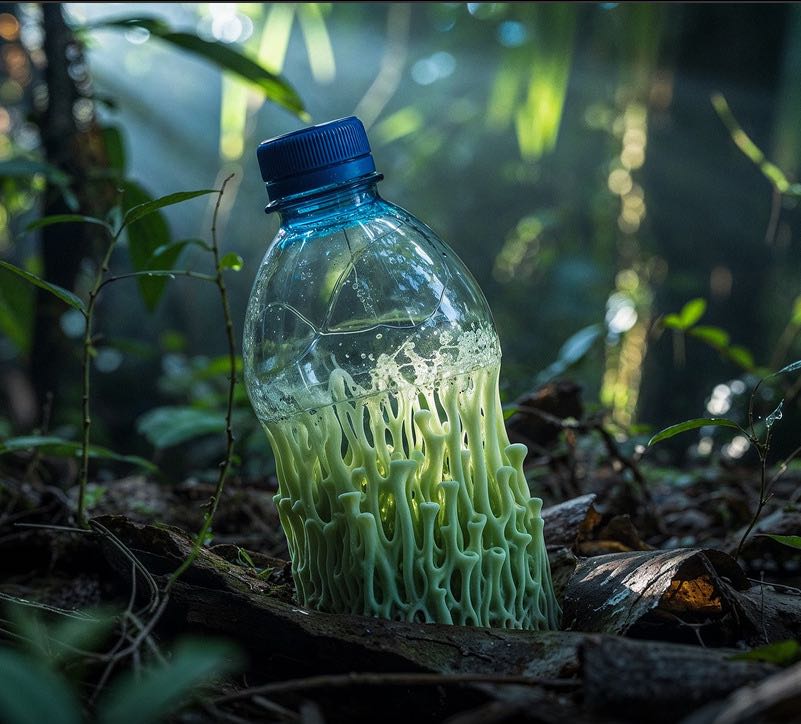
Pestalotiopsis microspora is an endophytic fungus notable for its ability to degrade polyurethane, including under anaerobic conditions, making it a promising agent for plastic bioremediation. Originally described in 1880, it is also a necrotrophic plant pathogen causing leaf spots, blights, cankers, and fruit rots on diverse hosts such as tea, pecan, kiwifruit, and guava. The fungus persists as an endophyte in many plants, becoming pathogenic under stress. It produces various bioactive compounds, including the anticancer drug taxol. Identification relies on morphological features and molecular sequencing due to its similarity with related species. While it has global distribution, mainly in tropical and subtropical zones, its ecological role and potential risks from bioremediation applications require further study.


Comments
No comments yet.