

Ownmates Post

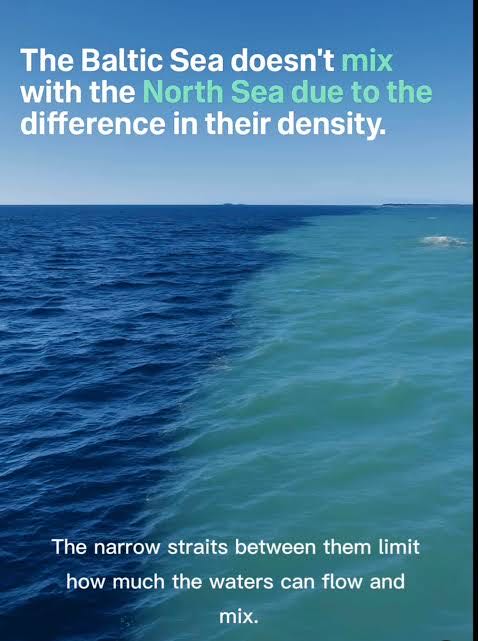
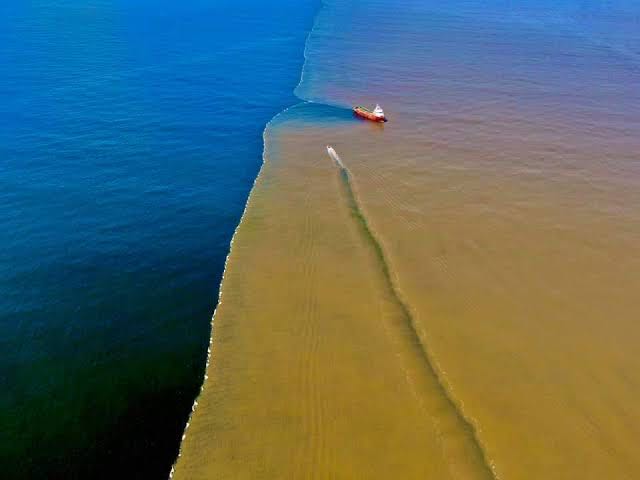
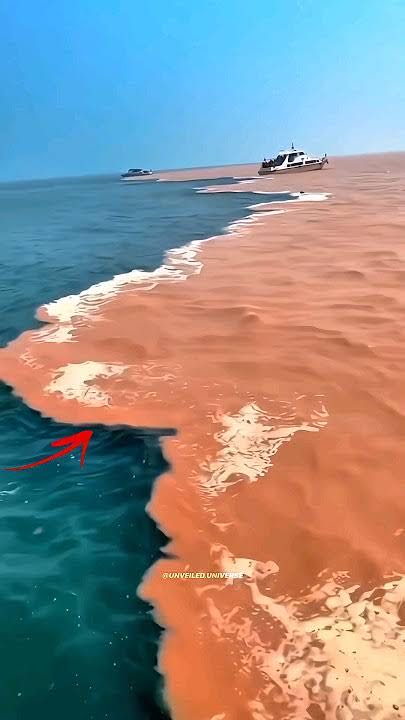
When people say that the Pacific Ocean and the North Sea “do not mix,” it’s a misunderstanding or an oversimplification. In reality, all oceans and seas mix, but the process can be slow due to differences in physical properties like salinity, temperature, and density.
⸻
🌊 Why Does It Look Like They Don’t Mix?
When two different bodies of water meet, such as where the North Sea meets the Baltic Sea or where different ocean currents converge, it can look like there’s a clear boundary between them. This happens because of:
⸻
🔹 1. Salinity Difference:
• One body of water may have more salt (higher salinity) than the other.
• Saltier water is denser and tends to sink below the less salty water.
• This creates a layering effect, where the waters don’t mix quickly, giving the illusion that they are separate.
⸻
🔹 2. Temperature Difference:
• Warm water is lighter, and cold water is denser.
• When waters of different temperatures meet, they resist mixing easily.
⸻
🔹 3. Sediment or Silt Content:
• One water body may carry more sediment, mud, or organic matter, which makes it look darker or different in color.
• This difference in color can make it seem like the waters don’t mix, but they gradually do over time.
⸻
✅ Summary:
• Oceans and seas do mix, but due to differences in salinity, temperature, and density, the process can be slow and layered.
• The boundary people sometimes see is natural and just a result of physical differences in the water — not a “barrier” preventing mixing.


Comments
No comments yet.