

Ownmates Post



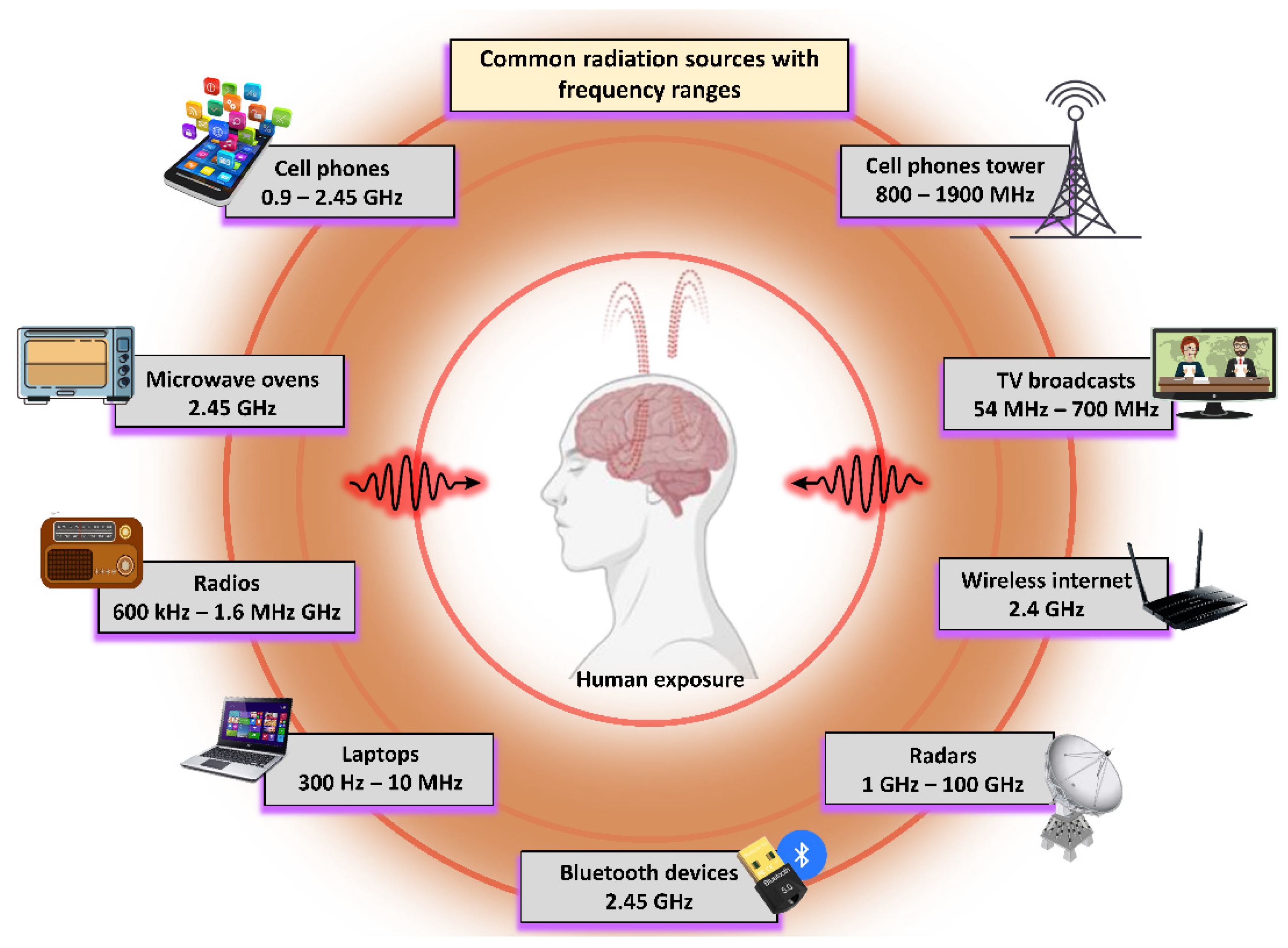
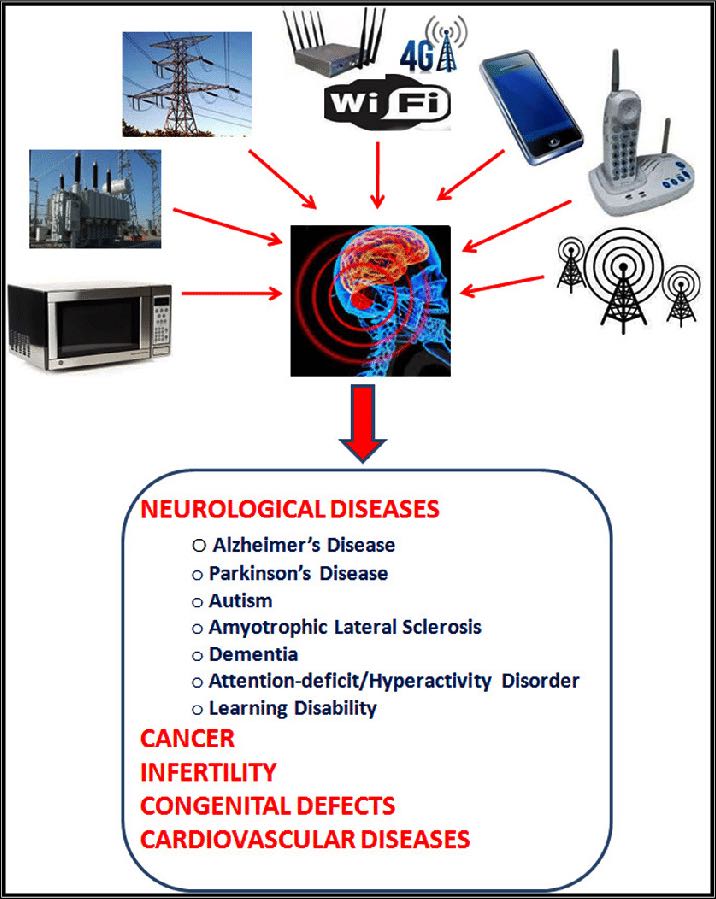




Certain frequencies of sound and electromagnetic radiation can be harmful to humans, primarily through tissue heating, nerve stimulation, and potential damage to DNA, especially at high intensities. Sound frequencies above 85 decibels can cause hearing damage, and some frequencies can even cause physical harm at very high decibel levels. Similarly, certain electromagnetic frequencies, particularly ionizing radiation (like X-rays and gamma rays), can cause cellular damage and increase cancer risk.
Sound Frequencies:
Hearing Damage:
Sounds above 85 decibels are generally considered harmful to hearing, with prolonged exposure leading to potential hearing loss.
Physical Harm:
Extremely high decibel levels (above 177 dB) in specific frequency ranges can cause physical harm, including erratic breathing and joint damage.
Low Frequency Effects:
While humans cannot hear frequencies below 20 Hz, they can still be perceived and may cause adverse health effects at high intensities.
Electromagnetic Frequencies:
Radiofrequency Radiation (RF):
RF waves, used in mobile phones and other devices, can cause tissue heating, especially in the head and neck, and may have long-term health effects.
Ionizing Radiation:
Radiation with wavelengths shorter than UV light (including X-rays and gamma rays) can damage DNA and lead to cancer.
Factors Affecting Harm:
Intensity/Power:
The intensity or power of a frequency source is a critical factor in determining its potential for harm.
Exposure Time:
Longer exposure durations to harmful frequencies increase the risk of adverse effects.
Frequency Range:
Different frequency ranges have different biological effects, with some being more harmful than others.
Individual Susceptibility:
Factors like age, pre-existing conditions, and genetics can influence how an individual responds to different frequencies.


Comments
No comments yet.