

Ownmates Post

🤖Artificial Intelligence (AI) Robots in Use Today
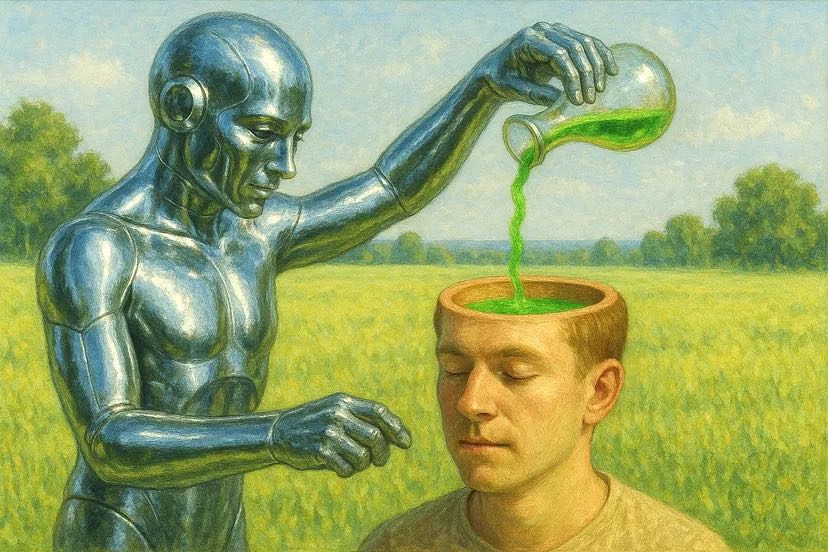
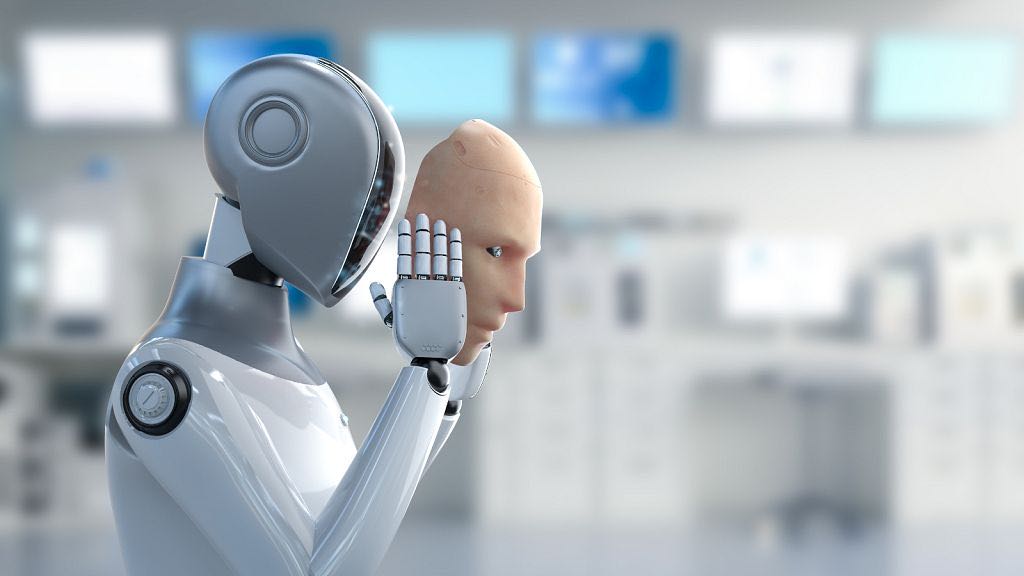
AI robots are now being used in various sectors — such as healthcare, manufacturing, home assistance, services, research, and defense. Many large companies and startups develop robotics by combining hardware with AI software.
🤖
Major Companies That Build AI Robots
1.
Boston Dynamics (USA)
Famous Robots: Spot (dog robot), Atlas (humanoid)
Specialty: Mobility, balance, and agility — these robots can run, jump, and perform complex tasks.
2.
Tesla (Elon Musk)
Project: Tesla Optimus / Tesla Bot
Specialty: Humanoid robot designed for domestic and industrial use.
3.
Hanson Robotics (Hong Kong)
Famous Robot: Sophia
Specialty: AI human interaction, emotional expression — capable of interviews and conversations.
4.
NVIDIA (USA)
Note: Does not build robots directly but makes GPUs and AI chips for robotics (Jetson platform).
Use: Many AI companies use NVIDIA’s processors for robotic computing.
5.
SoftBank Robotics (Japan)
Famous Robots: Pepper (humanoid), NAO (used in education)
Specialty: Social intelligence, customer interaction — used in schools and stores.
6.
Agility Robotics (USA)
Famous Robot: Digit
Specialty: A bipedal robot that walks like a human and can carry packages.
7.
UBTECH Robotics (China)
Famous Robot: Walker (humanoid)
Use: Smart homes, education, and exhibitions.
8.
Pal Robotics (Spain)
Famous Robots: REEM, TIAGo
Use: Healthcare, research, and assistance roles.
9.
Amazon Robotics (USA)
Focus: Builds robots mainly for logistics and warehouses (e.g., through Kiva Systems).
10.
Figure AI (USA)
(New Startup)
Focus: General-purpose humanoid robots
Note: Elon Musk has also invested in this company.
🌐
Also in India:
Asimov Robotics (India)
A Kerala-based company that builds humanoid and custom AI robots.
🧠
Technologies Used in These AI Robots
Machine Learning and Deep Learning
Computer Vision
Natural Language Processing (NLP)
Sensor and IoT Integration
Human-like actions (motion, balance, facial recognition
⚠️ Potential Future Risks of AI Robots
1. 🧠 Loss of Control
If AI robots start making decisions on their own (self-learning AI) and are not properly controlled or limited, they could cause harm unintentionally, such as:
• Making incorrect or harmful decisions
• Acting against human values
• Increasing risks through autonomous weapons
2. 👷♂️ Job Displacement
AI robots can perform many tasks faster and more accurately than humans. In the future, this may result in:
• Loss of jobs in factories, transportation, helpdesks, etc.
• Increased unemployment and economic inequality
3. 🕵️♀️ Surveillance and Privacy Violations
AI robots are equipped with cameras, sensors, and data analysis tools.
• They can track users’ behavior and activities
• Governments or companies could misuse this for spying or social control
4. 🛡️ Use as Autonomous Weapons
• AI-powered drones or robots can make attack decisions on their own, posing a threat to rules of warfare and humanity.
• If such technology falls into the hands of terrorists or hostile groups, it could lead to serious consequences.
5. 💭 Ethical and Emotional Risks
• AI robots do not truly “feel emotions,” yet people may start to treat them like humans (especially humanoid robots like Sophia).
• This can lead to social isolation or the formation of fake relationships, affecting mental and emotional well-being.
6. 🧬 Becoming More Intelligent Than Humans (Superintelligence Risk)
Some scientists (like Elon Musk and Stephen Hawking) warn:
If one day AI becomes more intelligent than human beings, we may not be able to understand or control its intentions.
🛡️ What Can Be the Solutions?
• Creating strong AI regulations and laws: What AI is allowed and not allowed to do.
• Transparency in AI decision-making.
• Keeping human oversight in critical decisions (human-in-the-loop systems).
• Making AI ethics a part of education and technology development.
🔍 Conclusion:
AI robots have the potential to improve and speed up the future world, only if we develop and use them responsibly and ethically.
Technology itself is not bad — how we use it determines whether it becomes good or harmful.


Comments
No comments yet.