

Ownmates Post
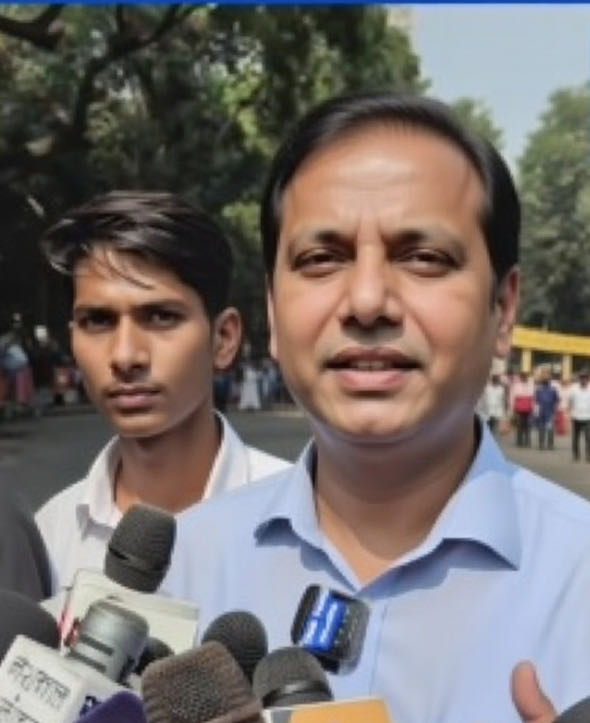
Bots are used to create fake accounts. 🤖📱
How bots create fake accounts
1️⃣ Automated scripts
Programs or scripts can automatically create thousands of accounts. They can also automatically generate names, profile photos, and email addresses.
2️⃣ Bot farms
Some individuals or organizations use thousands of phones or computers at the same time to create and operate accounts so they appear like real users.
3️⃣ AI-generated profiles
Today, AI can create fake profile photos, bios, and posts, making fake accounts look very realistic.
Where fake bots are used
• To increase likes, followers, and views on social media
• To spread propaganda or misinformation
• For scams or phishing
• To make a product, app, or hashtag trend
What platforms do
Companies like Meta Platforms (Facebook, Instagram), Google (YouTube), and X Corp. (X/Twitter) use bot-detection systems and AI to find and remove fake accounts.
Sometimes fake accounts may have usernames like @abcxyz or random combinations of letters and numbers, while real accounts often include proper names or surnames. However, this is not always true because some bots can also use realistic names.
Even today, millions of fake accounts are created, and platforms continuously try to detect and remove them.
⸻
🌍 What percentage of social media accounts are bots?
It is difficult to know the exact number because each platform reports different data, and many bots behave like real people. However, research gives an estimated range.
• Many studies suggest about 10– 20 percent of social media accounts may be bots or automated accounts.
• Some earlier studies estimated 9– 15 percent bots.
• Certain platform-specific analyses suggest the number could reach 20– 37 percent among very active accounts.
✅ In simple terms:
Out of every 100 social media accounts, around 10–20 may be bots or fake accounts (average estimate).
📱 Common uses of bots
• Increasing fake followers
• Spreading propaganda or misinformation
• Sending spam and scams
• Making a topic or hashtag trend online.


Comments
No comments yet.