

Ownmates Post

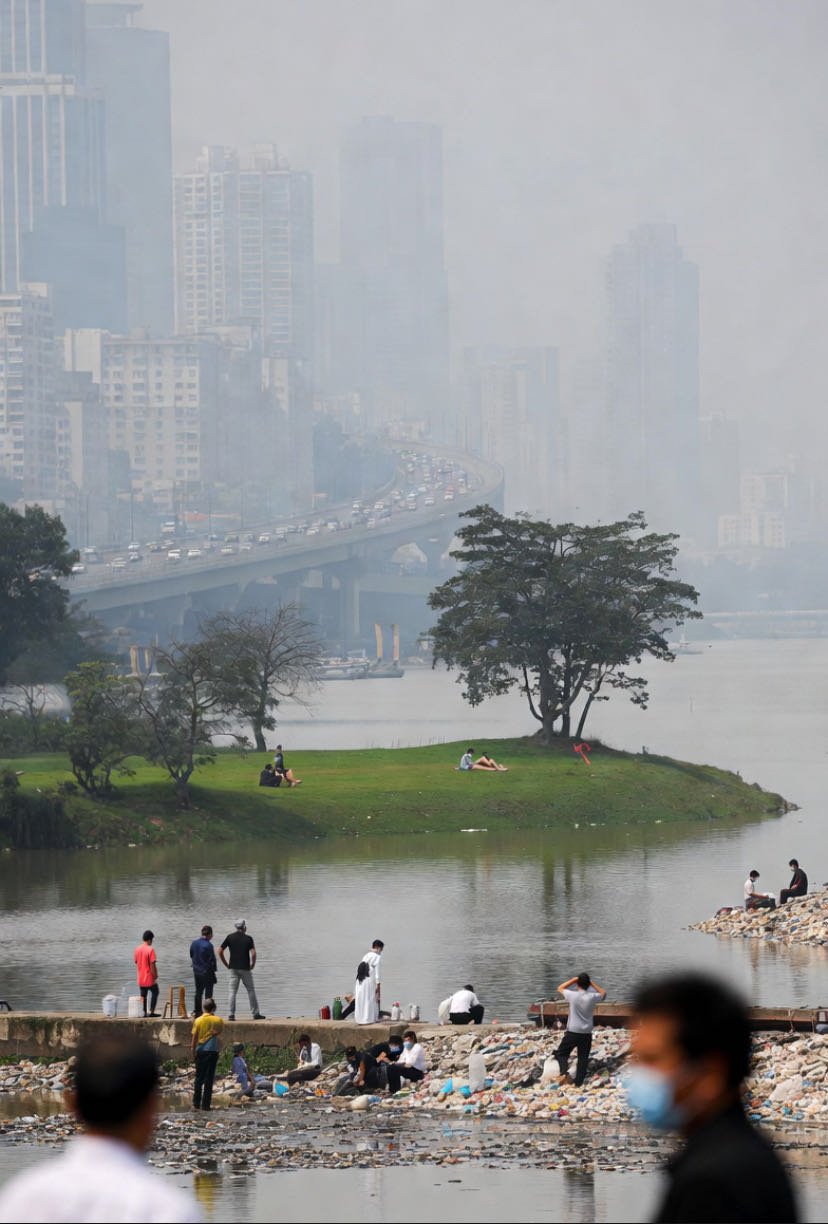

A poor environment—characterized by air pollution, water pollution, noise pollution, lack of greenery, overcrowding, poor sanitation, and an unsafe social atmosphere—has profound, multifaceted negative effects on both physical and mental health. It not only triggers diseases but also reduces overall quality of life, accelerates aging, and contributes to premature mortality.
Physical Health Impacts
• Air Pollution: Fine particulate matter (PM2.5 and PM10), smoke, industrial gases, vehicle emissions, and other pollutants penetrate deep into the lungs and bloodstream, causing inflammation, oxidative stress, and weakened immunity. This leads to respiratory issues like asthma, bronchitis, COPD, allergies, lung infections, and increased risk of heart diseases (e.g., ischemic heart disease, stroke). Long-term exposure raises chances of lung cancer, other cancers, diabetes, and neurological conditions. According to the latest data from the State of Global Air 2025 report (covering 2023), air pollution contributed to 7.9 million deaths worldwide, making it the second leading risk factor for death globally. Nearly 86% (6.8 million) of these were from noncommunicable diseases (NCDs) like heart disease, stroke, COPD, lung cancer, diabetes, and dementia. The World Health Organization (WHO) continues to link combined ambient and household air pollution to around 7 million premature deaths annually, with vulnerable groups (children, elderly, low-income populations) hit hardest.
• Water Pollution and Poor Sanitation: Contaminated water and food spread bacteria, viruses, and parasites, causing diarrhea, typhoid, hepatitis A/E, cholera, and other gastrointestinal illnesses. This weakens immunity, leads to malnutrition (especially in children), and increases vulnerability to other infections.
• Noise Pollution: Constant high-level noise (from traffic, industries, construction) damages hearing (hearing loss, tinnitus), elevates blood pressure, disrupts sleep, and heightens cardiovascular risks like heart attacks and strokes. The European Environment Agency estimates environmental noise causes thousands of premature deaths and new heart disease cases annually in Europe alone, while WHO ranks it as the second major environmental health risk after air pollution.
• Lack of Greenery and Overcrowding: Insufficient green spaces reduce physical activity, contributing to obesity, diabetes, and heart issues. Crowding facilitates infectious disease spread and exacerbates respiratory problems in polluted areas. Green spaces, conversely, mitigate some pollution effects and support better immunity and cardiovascular health.
Mental Health Impacts
A degraded environment affects the mind through direct biological pathways (e.g., pollutants crossing the blood-brain barrier) and indirect stressors (e.g., poor sleep, constant annoyance, perceived insecurity).
• Air pollution (especially PM2.5) induces brain inflammation, oxidative stress, and changes in emotion-regulating regions, increasing risks of anxiety, depression, psychological distress, cognitive decline, dementia (including over 600,000 dementia-related deaths linked to pollution in recent estimates), and even psychotic experiences or behavioral issues in youth.
• Noise pollution acts as a chronic stressor, activating the body’s stress response (hypothalamic-pituitary-adrenal axis), leading to fragmented sleep, elevated stress hormones, irritability, fatigue, and higher odds of anxiety (up to 9-22% increased risk in some studies), depression, inattention, and hyperactivity. It can contribute to mental health conditions like depression by 4% or more with long-term exposure.
• Lack of greenery reduces nature’s restorative effects on mood and cognition, worsening depression, anxiety, and stress. Overcrowding and unsafe social conditions (crime, unemployment, social tension) create ongoing psychological pressure, straining relationships, reducing productivity, and amplifying feelings of helplessness or irritability.
Conclusion and Importance
Clean air, safe drinking water, quiet surroundings, abundant green spaces, and a secure social environment are essential not just for preventing physical diseases but for maintaining mental balance, good sleep, positive mood, cognitive sharpness, and overall well-being. These factors can prevent millions of premature deaths and reduce the burden of NCDs and mental disorders. Improving them requires individual actions (e.g., using masks, planting trees, reducing noise exposure) and collective efforts (e.g., stricter pollution controls, urban greening, public health policies). A healthy environment is a fundamental right that safeguards both body and mind, enabling longer, healthier, and more fulfilling lives.


Comments
Very inspiring!
Nice post!
Well said!
Did you cook this yourself?