

Ownmates Post

🌕 Volcanoes, Core and Magnetic Field on the Moon –scientific explain
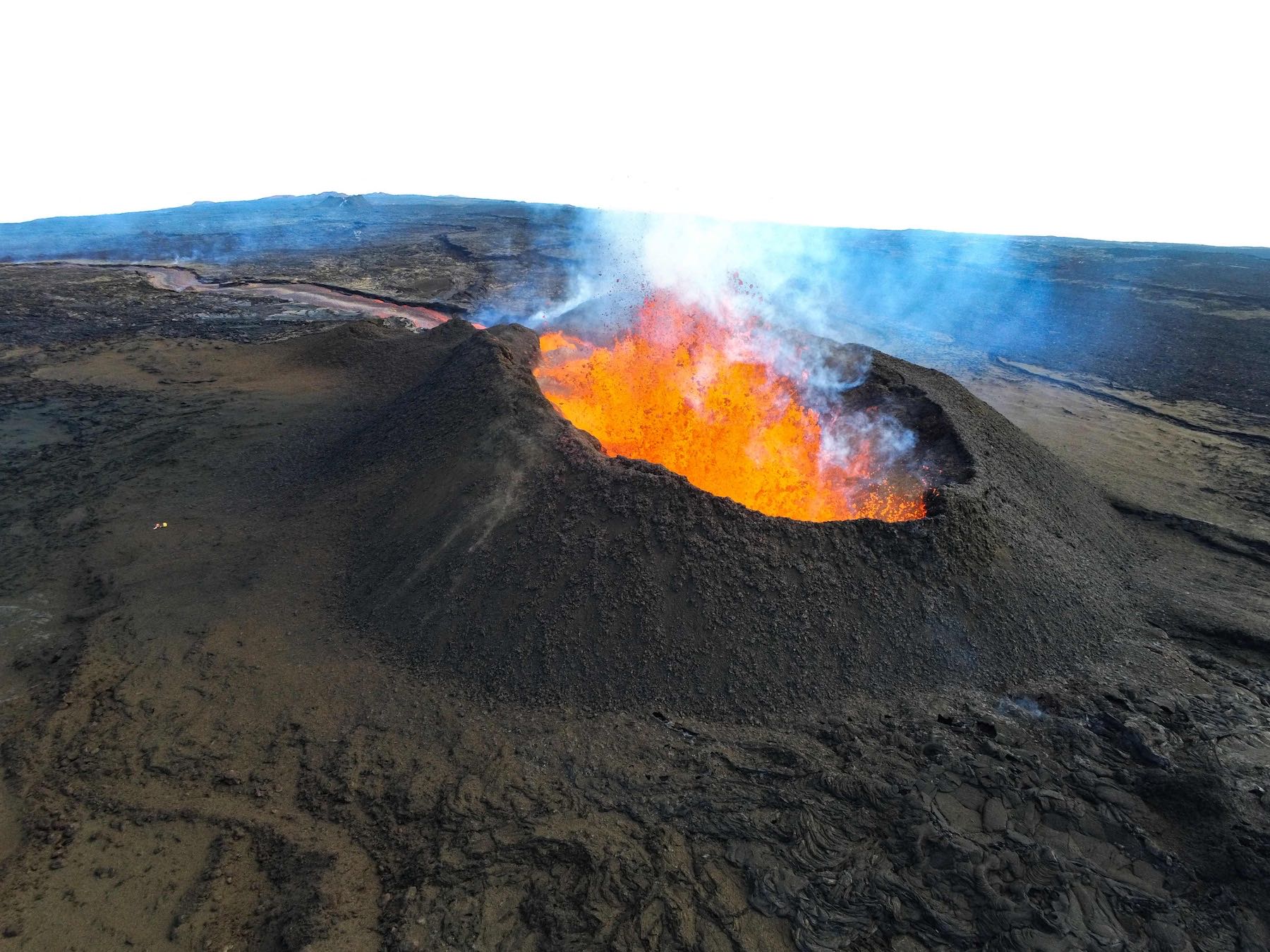
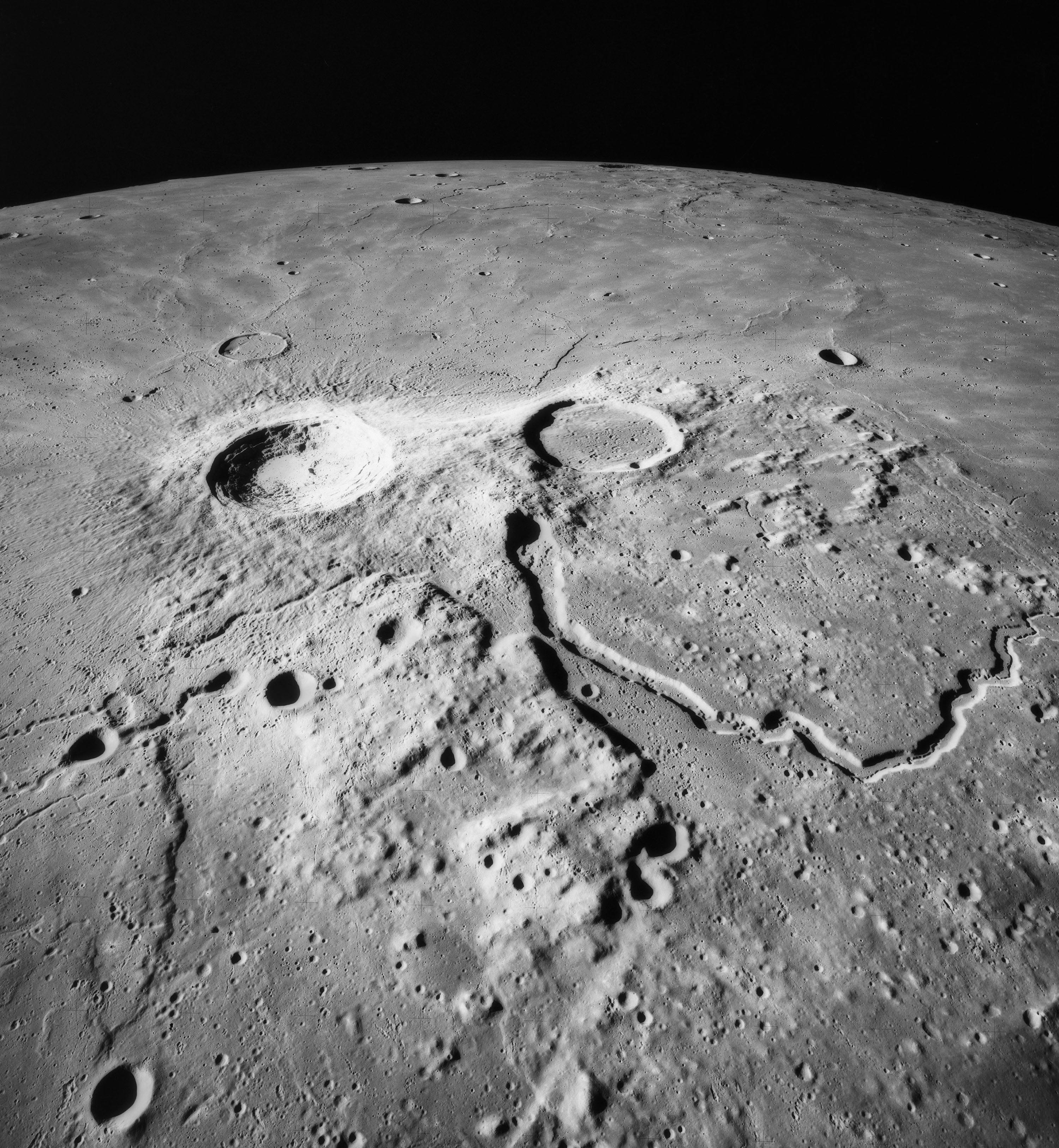
The Moon once had active volcanoes, but today it is completely geologically inactive. The dark, flat regions visible on the lunar surface, known as Lunar Maria, were formed billions of years ago when large volcanic eruptions released molten lava that spread across the surface and later solidified. Scientific studies indicate that volcanic activity on the Moon occurred roughly between 3 billion and 1 billion years ago, with some evidence suggesting a few lava flows may be relatively recent in geological terms (around 50–100 million years old). However, in the present era there are no active volcanoes, no flowing lava, no smoke, and no eruptions on the Moon. Unlike Earth, the Moon lacks plate tectonics and sufficient internal heat, which are essential for sustaining long-term volcanic activity.
The Moon’s internal structure also explains its geological inactivity. Although it has layers similar to Earth, they are much smaller and less energetic. Data from Apollo missions, moonquakes, and satellite observations show that the Moon has a small iron-rich core, containing iron with minor amounts of sulfur and nickel. Most of this core is now solid, with only a very small inner portion believed to be partially molten. Because the Moon is much smaller than Earth, it lost its internal heat rapidly over time. As a result, magma generation slowed and eventually stopped, leading to the shutdown of volcanic processes.
This cooling of the core also caused the Moon to lose its magnetic field. Billions of years ago, when the Moon’s core was hotter and partially liquid, it generated a magnetic field through a process called the dynamo effect, where moving liquid iron creates magnetic forces. As the core cooled and solidified, this motion stopped, the dynamo shut down, and the Moon’s magnetic field gradually disappeared. Magnetic signatures found in Apollo-returned lunar rocks confirm that the Moon once had a magnetic field, but it likely vanished around 3–4 billion years ago.
The absence of a magnetic field had major consequences. A magnetic field acts as a protective shield against solar wind and cosmic radiation. Earth’s magnetic field deflects these high-energy particles, preserving the atmosphere and protecting life. The Moon, lacking this shield, could not hold onto an atmosphere. Solar wind stripped away any gases that once existed, leaving the Moon nearly airless. Without an atmosphere, the Moon cannot support oxygen, liquid water, temperature stability, or radiation protection.
Because of this, life on the Moon is not naturally possible. High radiation levels damage DNA, extreme temperature differences occur between day and night, and the absence of atmospheric pressure and liquid water makes biological processes unsustainable. From a scientific perspective, a magnetic field, a stable atmosphere, and liquid water are essential ingredients for life, and the Moon lacks all three.
In conclusion, the Moon was once a more active world with volcanoes, internal heat, and a magnetic field. Over billions of years, it cooled, its core became inactive, its magnetic field disappeared, and its atmosphere was lost. Today, the Moon is a geologically quiet, airless, and lifeless celestial body, shaped by its early history and small size.


Comments
Interesting!