

Ownmates Post

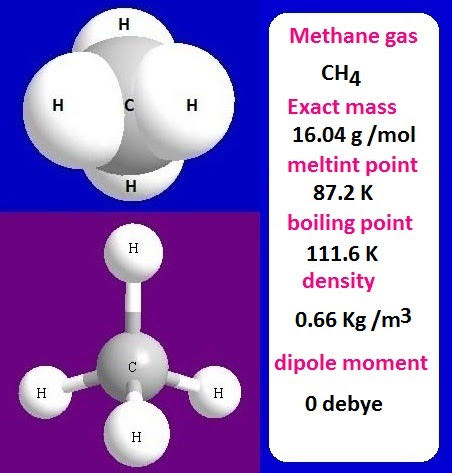
Methane gas (CH₄) is produced from cow dung, rice (paddy) cultivation, and many other natural and human-made sources. When cow dung or other organic matter decomposes in oxygen-deficient conditions—such as in dung heaps, pits, or biogas plants—microorganisms break it down and release methane gas; this is why biogas produced from dung contains methane as its main component. Similarly, in rice cultivation, fields remain flooded for long periods, preventing oxygen from reaching the soil. Under these conditions, microorganisms decompose plant residues and generate methane, which then escapes into the atmosphere through the stems of rice plants.
Apart from these, wetlands, lakes, swamps, ocean floors, frozen permafrost, and even termites are natural sources of methane. In agriculture and livestock farming, ruminant animals such as cows, buffaloes, and goats produce methane during digestion, which is released mainly through belching. Urban waste dumps (landfills), sewage, and wastewater treatment plants also emit large amounts of methane. In the energy and industrial sectors, methane is released during coal mining and through leaks in the extraction, storage, and transportation of oil and natural gas.
Although methane is a powerful greenhouse gas and contributes significantly to global warming, it does not directly reduce the Earth’s atmospheric oxygen level, which remains at about 21 percent . Its impact is indirect: increased methane raises global temperatures, which can negatively affect forests, vegetation, marine algae, and phytoplankton—organisms that play a major role in producing oxygen through photosynthesis. Over the long term, this can weaken natural oxygen-producing processes. Therefore, the conclusion is that methane does not directly decrease oxygen in the atmosphere, but through climate change, it can indirectly influence the Earth’s oxygen balance.


Comments
Thanks for sharing!
Great thoughts 👍
Did you cook this yourself?