

Ownmates Post

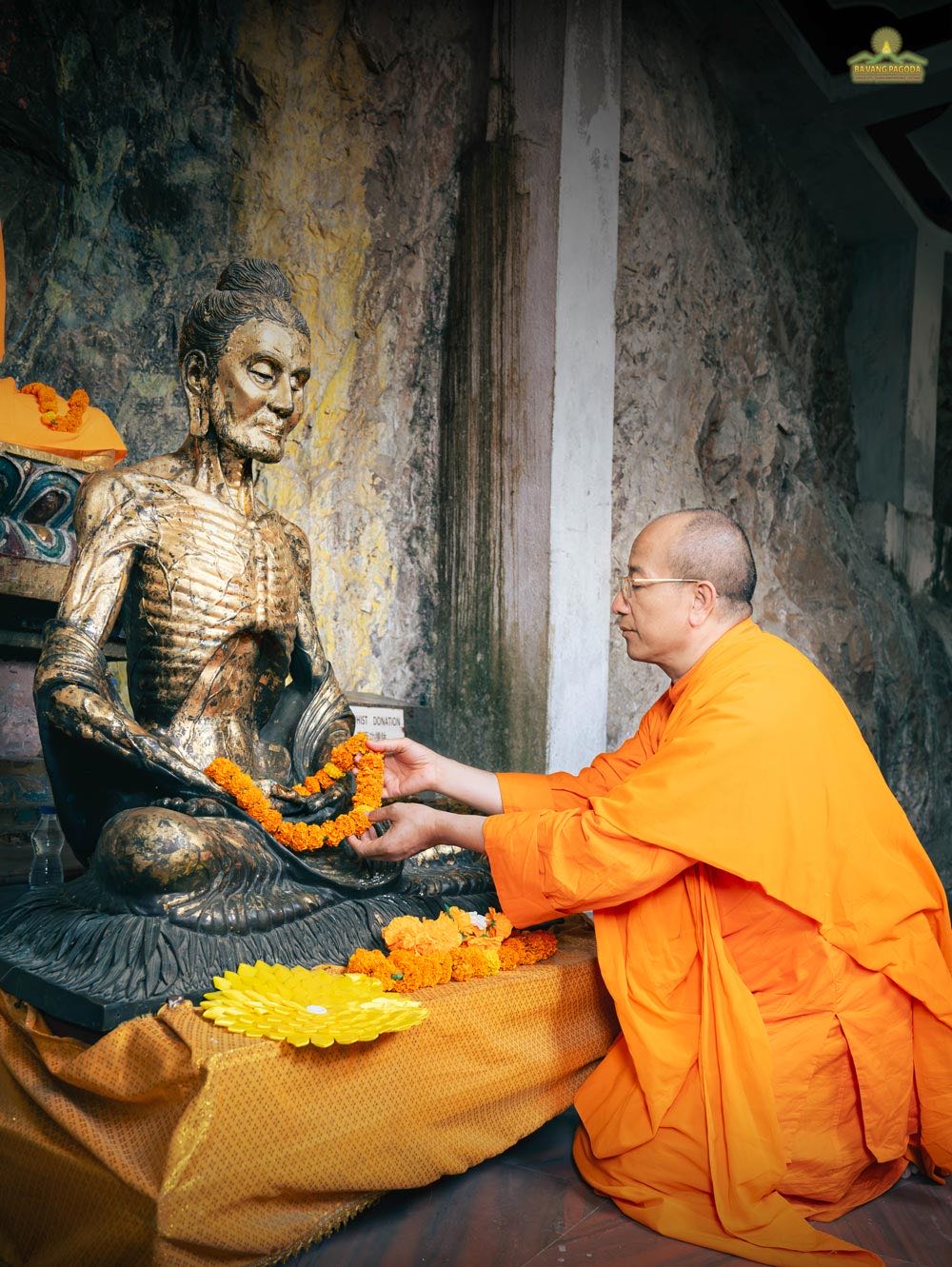
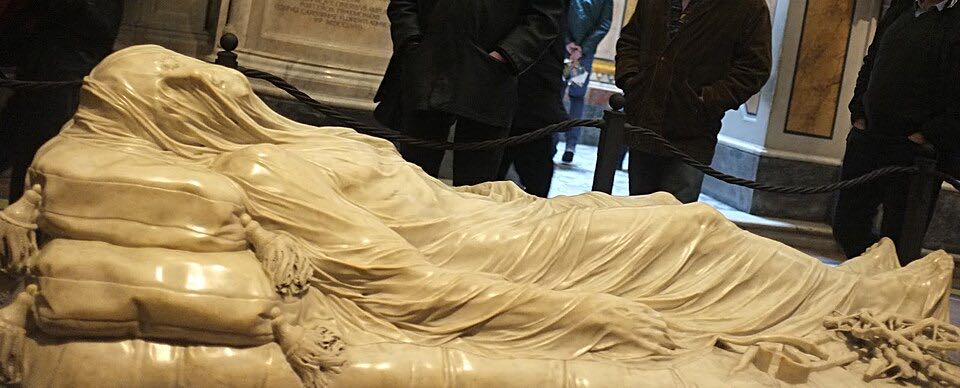
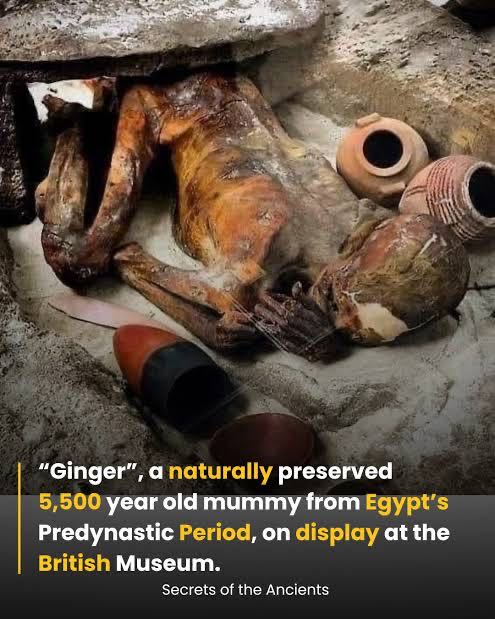
“If Gebelein Man is the oldest human (~3400 BCE), why don’t people worship him, while Buddha and Jesus Christ came later and are worshipped?”
We can understand this from the perspectives of history, religion, and psychology:
⸻
1️⃣ Gebelein Man – Ancient human
• Gebelein Man (also called “Ginger”) was a mummified human who lived in Egypt around ~3400 BCE.
• Important point: At that time, humans were primitive, lacking superstition or organized spiritual belief, and largely interpreted the natural world as they saw it—similar to some tribal societies in Africa today.
• Inspiration factor: He left no scriptures, teachings, or social influence behind.
• Conclusion: He has only historical significance, not religious significance. There is no reason for worship.
⸻
2️⃣ Buddha and Jesus – Spiritual teachers, icons
• Gautama Buddha (~563 BCE): Gave humanity a path to liberation from suffering, emphasizing compassion, non-violence, and love.
• Jesus Christ (~7–4 BCE – 30 CE): Offered spiritual guidance through love, forgiveness, and devotion.
• Both had a profound impact on humanity through their teachings.
• Hence, they became more than just humans—they became spiritual icons.
⸻
3️⃣ The essence of religion and worship
• Worship or respect is based on inspiration and teachings, not merely age or antiquity.
• Gebelein Man was just a body; Buddha and Jesus showed the way to spiritual life and liberation.
⸻
4️⃣ DNA and physical evidence
Person Time Period Physical remains DNA available?
Gebelein Man ~3400 BCE Mummy found ✅ Yes, studied by scientists
Gautama Buddha ~563–483 BCE Cremated; ashes in stupas ❌ Destroyed
Jesus Christ ~7 BCE–30 CE Body missing; some relics ❌ Not confirmed
• Reason: DNA can show physical reality.
• In the case of Buddha and Jesus, there is no physical proof or DNA; their legacy survives through spiritual teachings and humanity.
⸻
5️⃣ Historical distortion and exaggeration
• Ancient handwritten records often had mistakes, exaggeration, and propaganda.
• Religious stories frequently include miracles to strengthen faith and influence.
• This does not mean they didn’t exist, but facts and legends often became mixed over time.
⸻
6️⃣ Cultural and political context
• Stories of religion and worship evolved according to the cultural and political context of the time.
• Leaders sometimes manipulated stories to increase power or influence.
• Even economic or social factors (like redistribution of wealth) could play a role.
⸻
🧠 Summary
1. Gebelein Man: Historical importance, no religious inspiration → not worshipped.
2. Buddha and Jesus: Spiritual guidance and moral teachings → worship and respect.
3. DNA and physical proof: None for Buddha or Jesus; Gebelein Man has evidence.
4. Faith and belief: Worship is for those who guide humanity, not merely for being ancient.


Comments
No comments yet.